
Zika virus (ZIKV): biology, transmission, clinical features, and history
Overview of Zika virus: taxonomy, transmission routes, clinical manifestations including congenital risks, historical outbreaks, prevention, diagnosis, and public health responses.
Overview
The Zika virus (ZIKV) is a mosquito‑borne RNA virus in the family Flaviviridae and the genus Flavivirus. It is related to other human pathogens such as dengue, yellow fever and West Nile viruses and shares many biological features with them. The term Zika is used both for the virus and for the generally mild clinical illness it most commonly produces, often called Zika fever. The name derives from the Zika Forest of Uganda, where the virus was first identified in 1947 (discovery).
Image gallery
9 Images



Virology and genetics
ZIKV is an enveloped, positive‑sense single‑stranded RNA virus. Its genome organization and protein coding strategy follow the typical flavivirus pattern, with structural and nonstructural proteins encoded as a single polyprotein that is cleaved during replication. Genetic sequencing during outbreaks has helped trace geographic spread and identify viral lineages; molecular studies are also central to diagnostic test development and vaccine research (virology, related flaviviruses).
Transmission
The principal route of transmission is through the bite of infected mosquitoes of the genus Aedes, particularly species that are active during daylight hours and can breed in small, human‑associated water sources (mosquito‑borne transmission). ZIKV can also be transmitted from a pregnant person to the fetus during pregnancy, sexually between partners, via blood transfusion in certain circumstances, and rarely through laboratory exposure. These nonvector routes have important implications for prevention and public health guidance.
Clinical features and complications
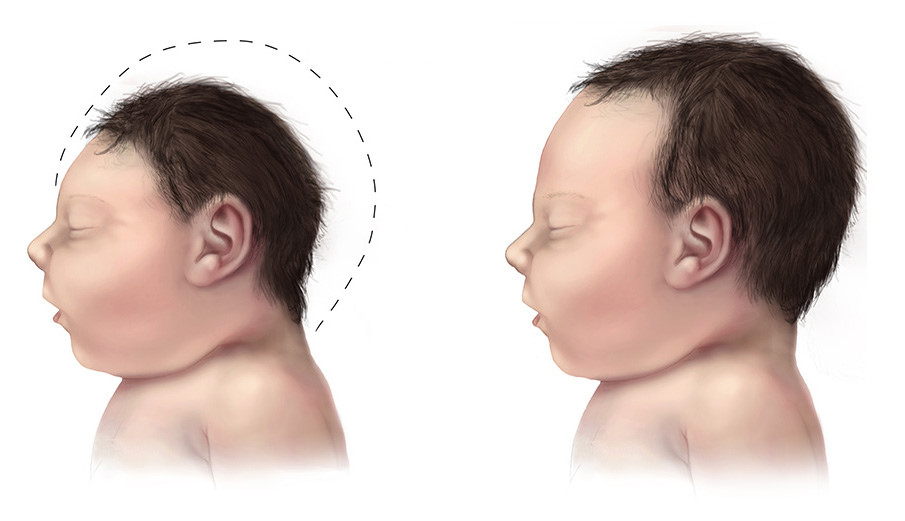
Most infections are asymptomatic or cause only mild, self‑limited illness characterized by fever, rash, conjunctivitis, headache, arthralgia and myalgia. Symptoms typically last a few days to a week. Of particular concern is infection during pregnancy, which has been linked to adverse fetal outcomes including a characteristic pattern of developmental and structural abnormalities known as congenital Zika syndrome. In adults, rare but serious neurological complications such as Guillain‑Barré syndrome have been reported following ZIKV infection.
Diagnosis and management
Diagnosis relies on laboratory testing: direct detection of viral RNA by nucleic acid amplification from blood or other body fluids during the acute phase, and serologic testing for specific antibodies later in the course. Cross‑reactivity with antibodies to other flaviviruses (for example, dengue) can complicate interpretation. There is no specific antiviral therapy approved for routine use; management is supportive and oriented to symptom relief and monitoring of complications. For pregnant people, specialized clinical follow‑up and fetal imaging are recommended when infection is suspected.
Prevention and control
No single, widely deployed vaccine currently eliminates Zika risk worldwide, though vaccine candidates have been evaluated in trials. Prevention focuses on reducing mosquito exposure (use of repellents, window screens, protective clothing, and eliminating standing water), vector control programs, blood screening in affected areas, and sexual transmission prevention measures, particularly for partners of pregnant people. Travel advisories and tailored public health guidance are used when transmission is ongoing in particular regions.
History and notable outbreaks
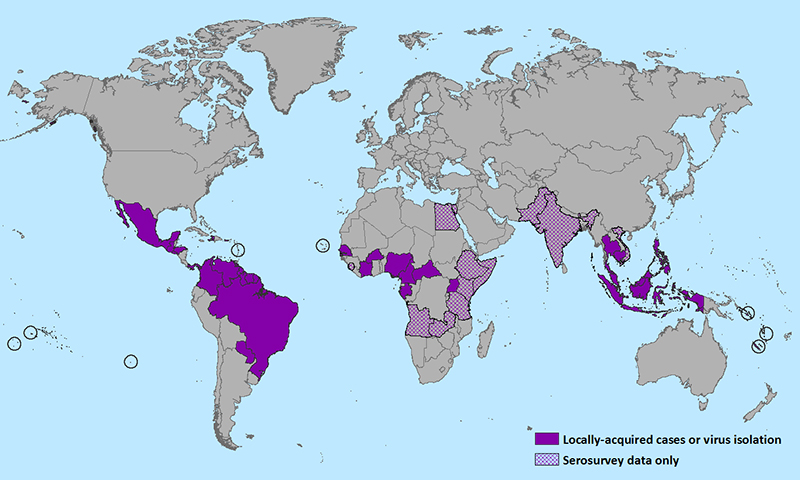
ZIKV was first isolated in 1947 and for many decades caused only sporadic, often undetected infections across parts of Africa and Asia. Beginning in the 21st century the virus expanded geographically: notable outbreaks occurred across the Pacific in the 2010s, including large events in areas such as French Polynesia and reports from places like Easter Island. In 2015–2016, ZIKV spread to parts of the Americas, with cases identified in Mexico, Central America, the Caribbean and South America. The apparent association with fetal outcomes and neurological complications prompted major international public health responses and intensified research.
Surveillance, research and public health response
Surveillance systems combine clinical reporting, laboratory confirmation, mosquito monitoring and blood safety measures. Research priorities include improved diagnostics, vaccine development, antiviral therapeutics, and better understanding of the mechanisms linking infection to congenital and neurological disease. Public health agencies issue guidance for clinicians, pregnant people, travelers, and blood donation services to limit transmission and reduce risk.
Further information and resources
- General information about Zika virus
- Flaviviridae family overview
- Virology and genetic characteristics
- Flavivirus genus summary
- Related flaviviruses
- Mosquito‑borne transmission
- Aedes mosquito biology
- Discovery in the Zika Forest
- Clinical condition: Zika fever
- Asymptomatic infection and public health implications
- Research institutions and studies
- Historical occurrence in Africa
- Historical occurrence in Asia
- Spread across the Pacific
- Outbreak in French Polynesia
- Reports from Easter Island
- Introduction to the Americas (Mexico)
- Cases in Central America
- Incidence in the Caribbean
- Impact in South America
- Public health response and guidance
Readers seeking practical or clinical advice should consult current local public health guidance and healthcare providers. Ongoing research may change recommendations over time, so up‑to‑date sources are important for decisions about travel, pregnancy, blood donation and clinical management.
Questions and answers
Q: What family and genus does Zika virus belong to?
A: Zika virus belongs to the virus family Flaviviridae and the genus Flavivirus.
Q: How is the Zika virus spread?
A: The Zika virus is spread by mosquitoes from the genus Aedes, which are active during the daytime.
Q: What is Zika fever?
A: Zika fever is an infectious disease caused by the Zika virus.
Q: Does Zika fever always cause symptoms?
A: No, Zika fever often causes no symptoms or only mild symptoms.
Q: Who has been getting Zika fever since the 1950s?
A: People in Africa and Asia have been getting Zika fever since the 1950s.
Q: When did the Zika virus spread eastward across the Pacific Ocean?
A: In 2014, the virus spread eastward across the Pacific Ocean - first to French Polynesia, then to Easter Island.
Q: Where has the Zika virus become a pandemic?
A: The Zika virus has become a pandemic in Mexico, Central America, the Caribbean, and South America.
Related articles
Author
AlegsaOnline.com Zika virus (ZIKV): biology, transmission, clinical features, and history Leandro Alegsa
URL: https://en.alegsaonline.com/art/110599
Sources
- atcc.org : "ATCC Product Sheet Zika virus (ATCC® VR 84TM) Original Source: Blood from experimental forest sentinel rhesus monkey, Uganda, 1947"
- phenomena.nationalgeographic.com : "Zika Virus: A New Threat and a New Kind of Pandemic"
- ecdc.europa.eu : "Zika virus infection"
- cdc.gov : "Symptoms, Diagnosis, & Treatment"
- portalsaude.saude.gov.br : "Ministério da Saúde confirma relação entre vírus Zika e microcefalia"
- doi.org : 10.1002/uog.15831
- worldcat.org : 1469-0705
- ecdc.europa.eu : "Epidemiological update: Outbreaks of Zika virus and complications potentially linked to the Zika virus infection"
- paho.org : "17 January 2016: Neurological syndrome, congenital malformations, and Zika virus infection – Epidemiological Update"
- wwwnc.cdc.gov : "Zika Virus in the Caribbean"
- cdc.gov : "Interim Guidelines for Pregnant Women During a Zika Virus Outbreak – United States, 2016"
- doi.org : 10.15585/mmwr.mm6502e1
- pubmed.ncbi.nlm.nih.gov : 26796813
- itv.com : "Zika virus: Advice for those planning to travel to outbreak areas"
- rte.ie : "Pregnant Irish women warned over Zika virus in central and South America"