
Budding (asexual reproduction)
Budding is a form of asexual reproduction in which a new individual develops from an outgrowth of the parent, producing genetically identical offspring in many plants, fungi and some animals.
Budding is a method of asexual reproduction in which a new organism begins as an outgrowth from the body of the parent. The small outgrowth, or bud, enlarges while remaining attached to the parent until it is mature enough to separate. Because no gamete fusion occurs, the new individual is usually a genetic clone of its parent. Budding commonly occurs under favorable environmental conditions and can rapidly increase population size without the need for mates.
Image gallery
2 Images
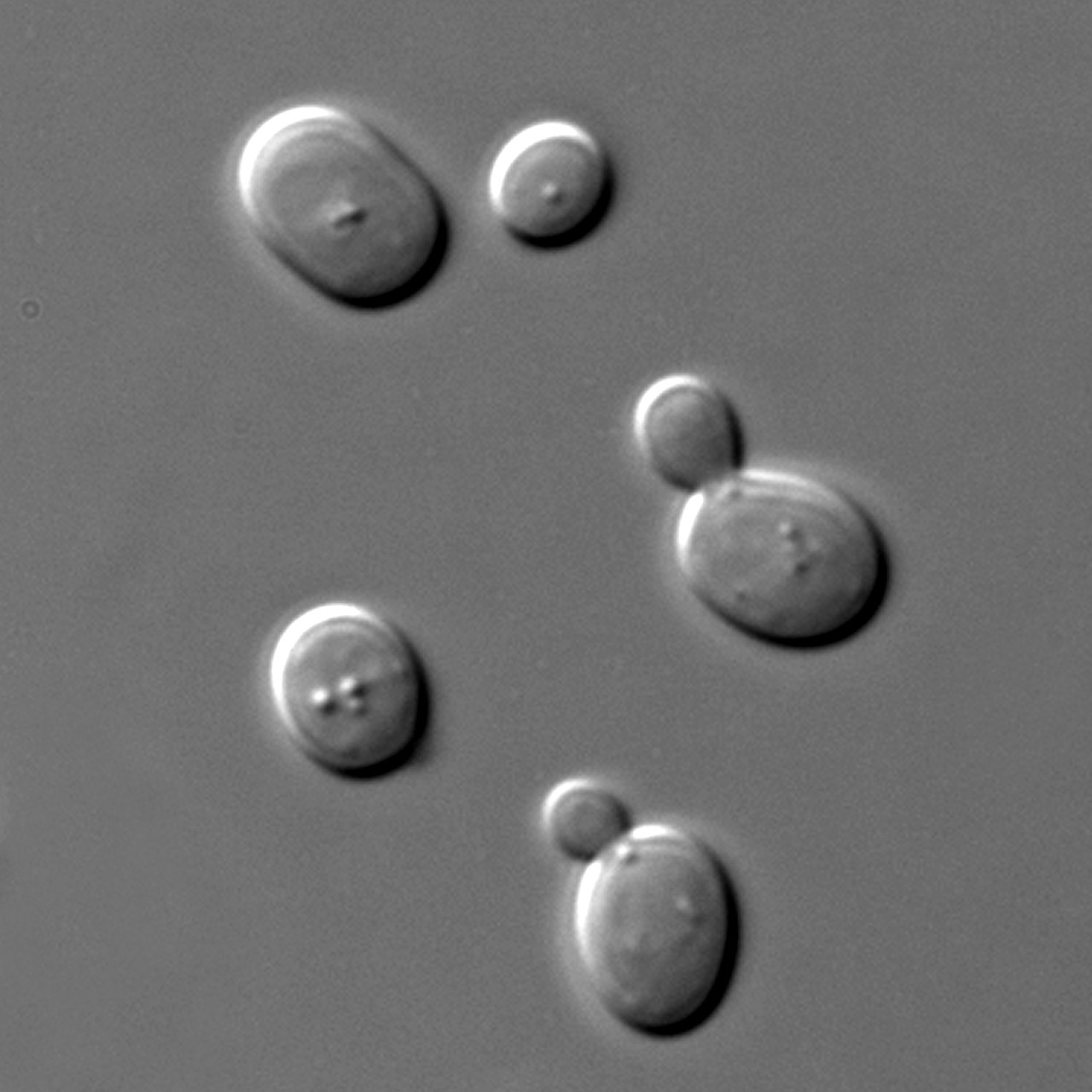
How budding develops
The process typically begins when a localized group of cells on the parent organism proliferates and differentiates to form the bud. Cellular specialization within the bud establishes the structures needed for independent life. In some species the bud detaches after reaching a certain size; in others it remains attached and forms colonies or branched structures. The basic steps are growth, differentiation and separation (when separation occurs). The new individual may receive nutrients from the parent while attached, allowing it to survive until it can function independently.
Where budding is found
- Plants: Certain plants reproduce by budding as a form of vegetative propagation, producing shoots or tubers that can give rise to new plants.
- Fungi: Many fungi and yeasts form buds; in baker's yeast, for example, a small bud pinches off to make a daughter cell.
- Animals: Simple animals such as hydras and some sponges produce buds that develop into independent individuals or remain attached in colonies.
Significance and distinctions
Budding allows rapid reproduction and colonization without genetic recombination, which is advantageous in stable environments. It differs from binary fission (common in many bacteria) by producing an outgrowth rather than an equal split, and from sexual reproduction by producing genetically identical offspring. Some organisms use budding in combination with sexual methods, switching strategies when conditions change.
Because it produces clones, budding reduces genetic diversity, which can make populations vulnerable to changing conditions; however, it is an efficient way to exploit suitable habitats. Budding also has practical uses in horticulture and mycology, where controlled propagation of desirable strains or varieties is important.
Related articles
Author
AlegsaOnline.com Budding (asexual reproduction) Leandro Alegsa
URL: https://en.alegsaonline.com/art/15079