
Alcoholic drink
A beverage that contains ethyl alcohol (ethanol), produced by fermentation and sometimes distillation; types, production methods, effects, regulation, and cultural role.
Overview
An alcoholic drink is any beverage that contains at least a small amount of ethyl alcohol (ethanol), the specific compound people consume for its intoxicating and flavoring properties. In chemistry the word alcohol describes a broader family of organic compounds, but in everyday usage it almost always refers to ethanol. Alcoholic beverages range from low-strength fermented drinks to high-strength distilled spirits and are consumed around the world in social, religious and culinary settings.
Image gallery
10 Images


Production and key components
Most alcoholic drinks begin with fermentation, a biochemical process in which microorganisms convert carbohydrates into alcohol and related products. Yeasts are the most common fermenting agents, but other microbes such as bacteria can influence flavor and chemistry. The fermentable material is often sugars derived from grain, fruit, or honey; fermentation can also yield acetic acid and vinegar if oxygen is present or other bacteria act on the product. When stronger beverages are desired, producers commonly use distillation to concentrate ethanol and remove some impurities.
Categories and examples
Alcoholic drinks are frequently grouped by how they are made and their typical alcohol content. These broad categories help describe style, production method and expected strength:
- Fermented low-strength beverages: beers, meads and ciders, typically produced by fermenting cereals, honey or fruit and usually containing modest amounts of ethanol.
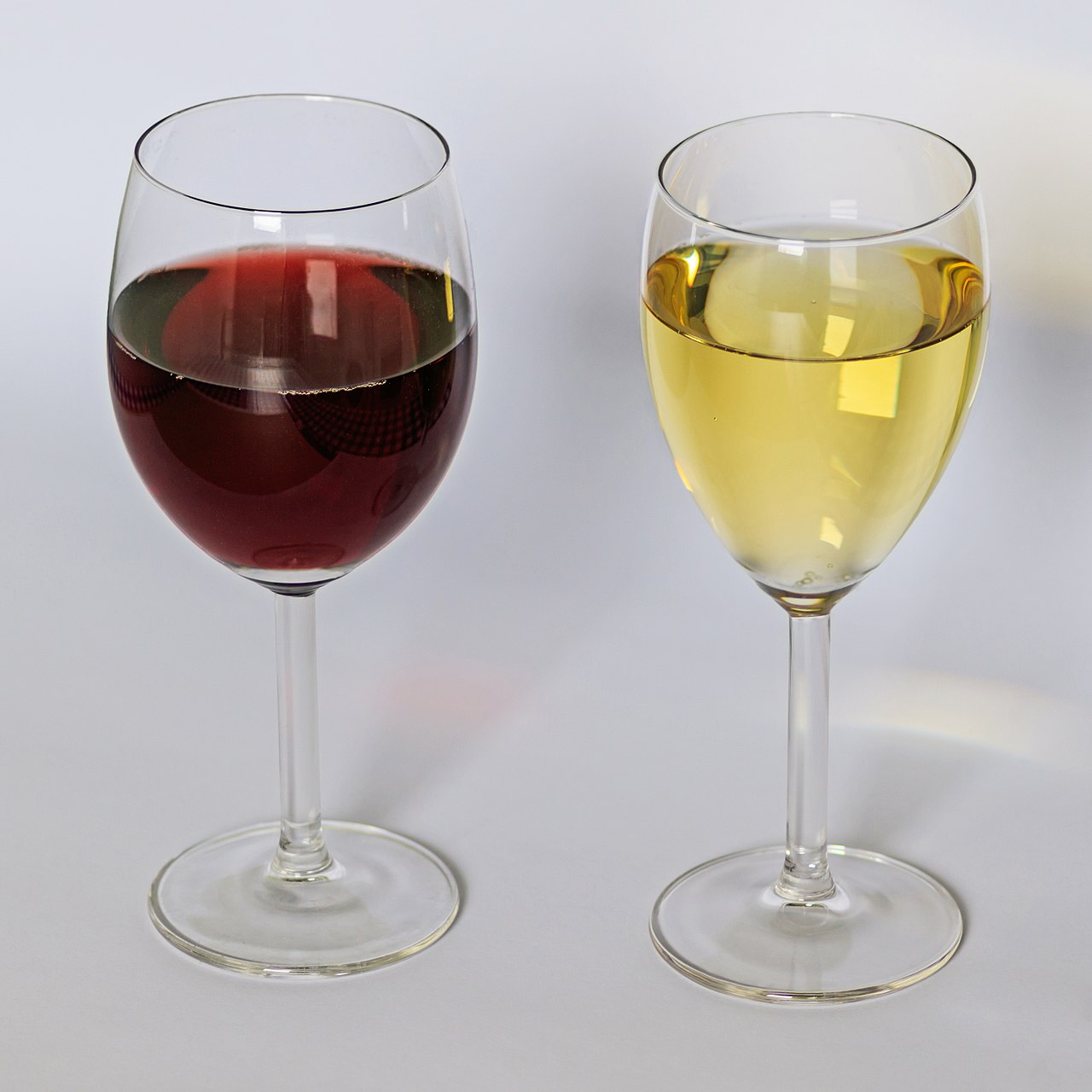
- Wines and related fermented beverages: grape wine and rice-based drinks such as sake, made from fermented sugars and often aged or blended to develop aroma and complexity.
- Distilled spirits: products concentrated by distillation from fermented mash, including examples such as rum (rum), vodka, gin and whiskies; these are usually labeled by alcoholic proof or percentage.
Commercial varieties and hybrids
In addition to traditional types, many countries sell mixed or flavored beverages that combine distilled alcohol with fruit juices, sweeteners or carbonated bases. One common commercial category is alcopops, sweetened ready-to-drink products that often use distilled spirits as a base and are marketed in bright packaging. The composition and marketing of such drinks have prompted specific regulation in some jurisdictions, particularly where authorities worry about appeal to younger consumers. Rules about retail sale and age limits frequently distinguish between beer-like products (beer) and distilled spirits.
Effects on people and health considerations
Ethanol acts on the central nervous system and is widely reported to produce feelings of relaxation and sociability at low doses; it is one of the world’s most commonly used recreational drugs. Because of its psychoactive effects some people develop problematic patterns of consumption or dependence. Excessive or prolonged use can lead to overuse and, in severe cases, clinical alcoholism (alcohol use disorder). Acute heavy drinking causes intoxication (being "drunk"), which impairs judgment, coordination and reaction time. Although ethanol is less toxic to humans than many other alcohols, the human body still treats it as a chemical toxin and metabolizes it through liver enzymes; very high doses can be life-threatening.
History, cultural role and safety
People have deliberately produced and consumed alcoholic drinks for millennia; archaeological and historical records indicate fermentation and early forms of brewing and winemaking in many ancient societies. Distilled spirits became widespread after technology for distillation improved, giving rise to beverages such as vodka, gin and various whiskies, as well as high-proof rums (rum) used in cuisine and cocktails. Today alcoholic drinks play roles in culinary arts, religious rites, social rituals and economies, but they are also regulated to reduce harm: age limits, licensing systems and labeling requirements (including disclosure of alcohol content as proof or percentage) are common. Responsible consumption, clear labeling and public education remain central to balancing the cultural importance of alcoholic beverages with their potential health and social risks.
Questions and answers
Q: What is an alcoholic drink?
A: An alcoholic drink is a beverage that contains 0.5% or more ethanol, which is also known as grain alcohol.
Q: How is grain alcohol made?
A: Grain alcohol is generally made through a process called fermentation, in which bacteria change sugar to make ethanol or vinegar.
Q: What are the different classes of alcoholic drinks?
A: Generally, alcoholic drinks are divided into three classes: beers, meads and ciders (generally up to about 15% alcohol), wines and sake (12–20% alcohol), and spirits (20% alcohol or more).
Q: Is it legal to buy alcopops in all places?
A: No, alcopops are usually not allowed to be bought in certain places or at certain times because they have distilled alcohol mixed into them.
Q: What effect does drinking ethanol have on people?
A: Drinking ethanol causes a person to feel relaxed. It can also cause intoxication and impairment if too much is consumed.
Q: How long has ethanol been used by humans for recreational purposes?
A: Ethanol has been made by humans for thousands of years and is one of the oldest and most used recreational drugs in the world.
Q: How does the human body break down ethanol quickly?
A: The human body can break down ethanol quickly because it is less toxic than other kinds of alcohols.
Related articles
Author
AlegsaOnline.com Alcoholic drink Leandro Alegsa
URL: https://en.alegsaonline.com/art/2202