
Zoology: the scientific study of animals
Zoology is the branch of biology that examines animals — their form, function, evolution, behaviour and relationships in ecosystems, and the methods scientists use to study them.
Overview
Zoology is the systematic science concerned with animal life and diversity. As a major branch of biology, it addresses living animals at many scales: molecules and cells, organs and whole organisms, and populations within ecosystems. The word is traditionally pronounced Zō-ölogy, reflecting its Greek roots rather than the shorter everyday form.
Image gallery
10 Images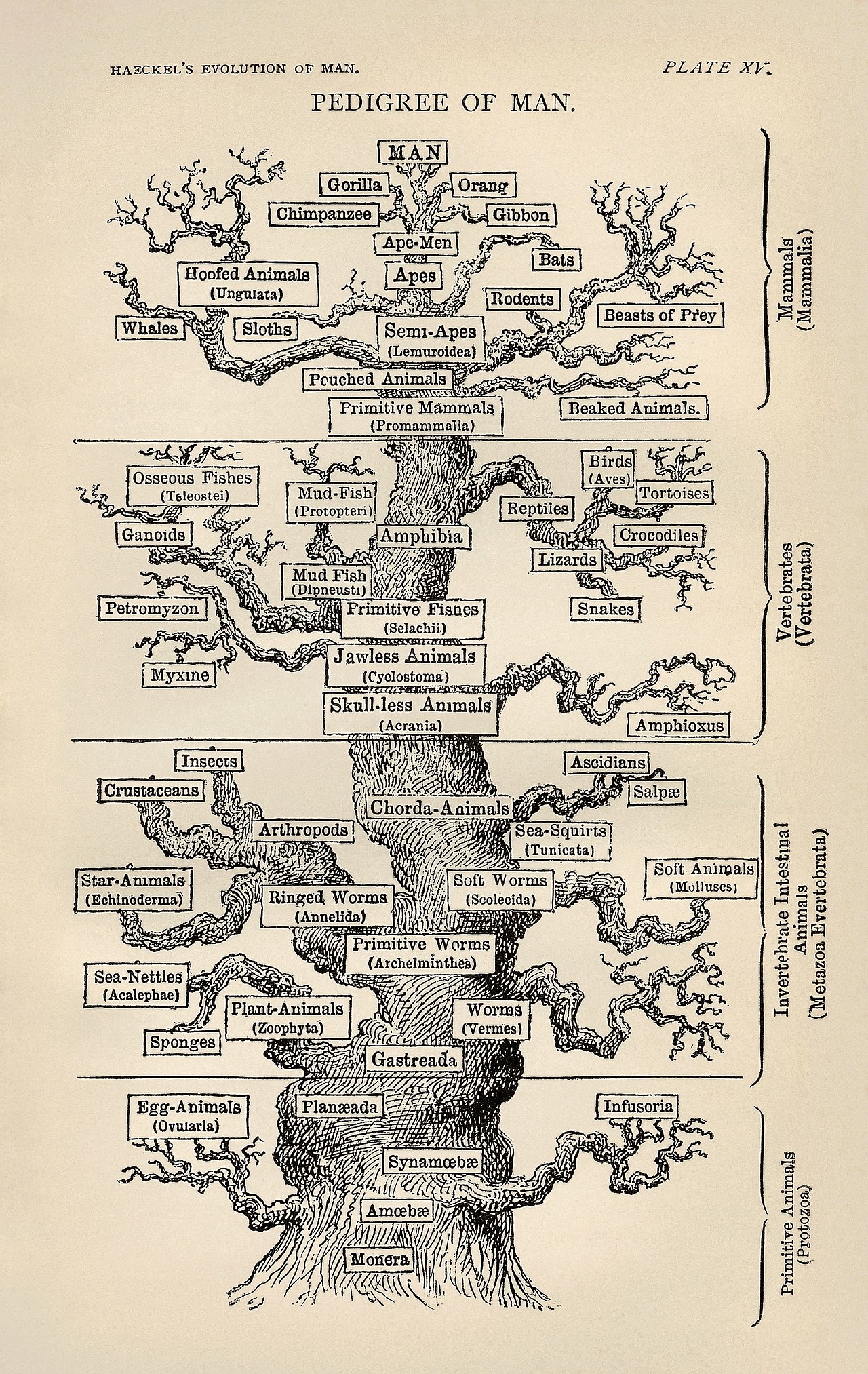



Scope and classification
Animals are organized into large groups known as phyla, and modern zoology studies the characteristics that define those groups. Important perspectives include anatomy and physiology, comparative morphology, behavioural ecology and evolutionary history. Questions about how species originate and diversify fall under evolution, while interactions among organisms and their environments are studied by ecology.
Core areas and methods
Zoologists investigate both form and function. The physical layout of animals — their tissues, organs and body plans — is the domain of structure, explored by techniques such as dissection and microscopy. The workings of those parts, or function, are tested through controlled experiments and careful observation. Research takes place in many settings: controlled studies in laboratories, long-term surveys and behavioural work in the field, and comparative studies using specimens in collections.
History and complementary disciplines
The study of animals has ancient roots in natural history but became more experimental and comparative from the 18th century onward. Fossil research and palaeontological evidence connect zoology to Earth's history. Related fields include genetics, developmental biology and conservation science; practitioners draw on these to understand lineage, adaptation and the impacts of human activity.
Typical activities and workplaces
- Field surveys and population monitoring in natural habitats.
- Laboratory experiments on physiology, behaviour or development.
- Taxonomy and systematics using museum specimens and databases — often housed in museums.
- Applied work in zoos, aquaria, conservation agencies and environmental consulting.
Importance and careers
Zoology provides fundamental knowledge for conserving biodiversity, managing wildlife resources, controlling pests and understanding human health links to animals. Zoologists may be academics, museum curators, conservation biologists, wildlife veterinarians or environmental consultants. Regardless of the role, their work blends observation, hypothesis-driven research and practical application to explain how animals live, change and fit into ecosystems.
Related articles
Author
AlegsaOnline.com Zoology: the scientific study of animals Leandro Alegsa
URL: https://en.alegsaonline.com/art/110713