
William Adams: English Navigator and Early European Advisor in Japan
William Adams (1564–1620) was the first Englishman to reach Japan. A skilled shipwright and pilot, he advised the Tokugawa leadership, aided early European trade contacts, and influenced shipbuilding and navigation in Japan.
Overview
William Adams (24 September 1564 – 16 May 1620) was an English navigator and shipwright who became the first Englishman known to live for an extended period in Japan. Trained in practical maritime arts, he combined technical skill in shipbuilding with knowledge of astronomy and navigation, qualifications that proved valuable when he and his crewmates made landfall on the Japanese coast at the turn of the 17th century. His life illustrates how seafaring expertise could turn into political and commercial influence in a non-European setting.
Image gallery
10 Images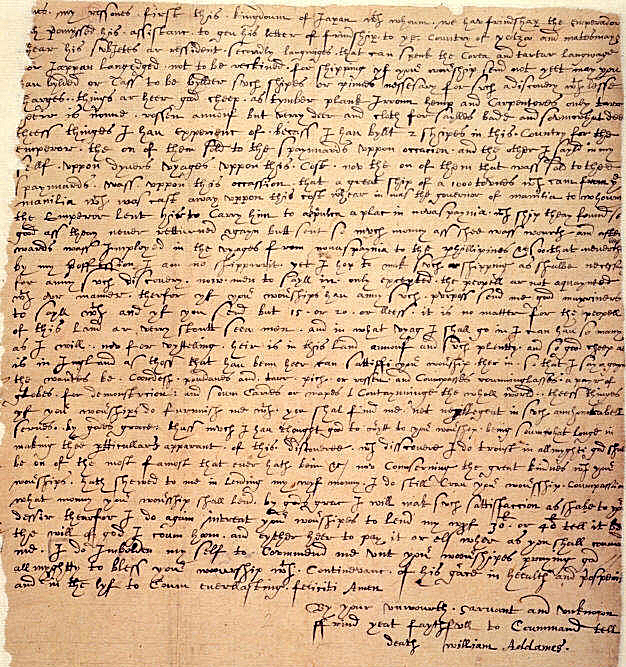


Early life and training
Adams was born in Gillingham, in the county of Kent, into a maritime region where shipbuilding and seafaring were common trades. Orphaned of his father as a youth, he was apprenticed to a shipwright and learned practical crafts as well as the navigational arts. He served at sea in Elizabethan times with the Royal Navy during a period of frequent conflict, and his career intersected with the wider maritime world shaped by figures such as Sir Francis Drake. After naval service he worked as a professional pilot, guiding merchant voyages and developing the skills that later made him indispensable to his Japanese hosts.
The Dutch expedition and voyage east
In 1598 Adams joined a five-ship expedition organized by a group of merchants from Rotterdam. These investors and merchants were active participants in the expanding European trade with Asia and were part of the commercial movement that became associated with the Dutch East India trading networks. The fleet sailed from the isle of Texel off the coast of North Holland and attempted the long passage into the Eastern world. Long voyages of the era threatened crews with storms, scurvy and conflict; after a hazardous journey and the loss of several ships, Adams and a few survivors reached Japan.
Arrival in Japan and service to Tokugawa authorities
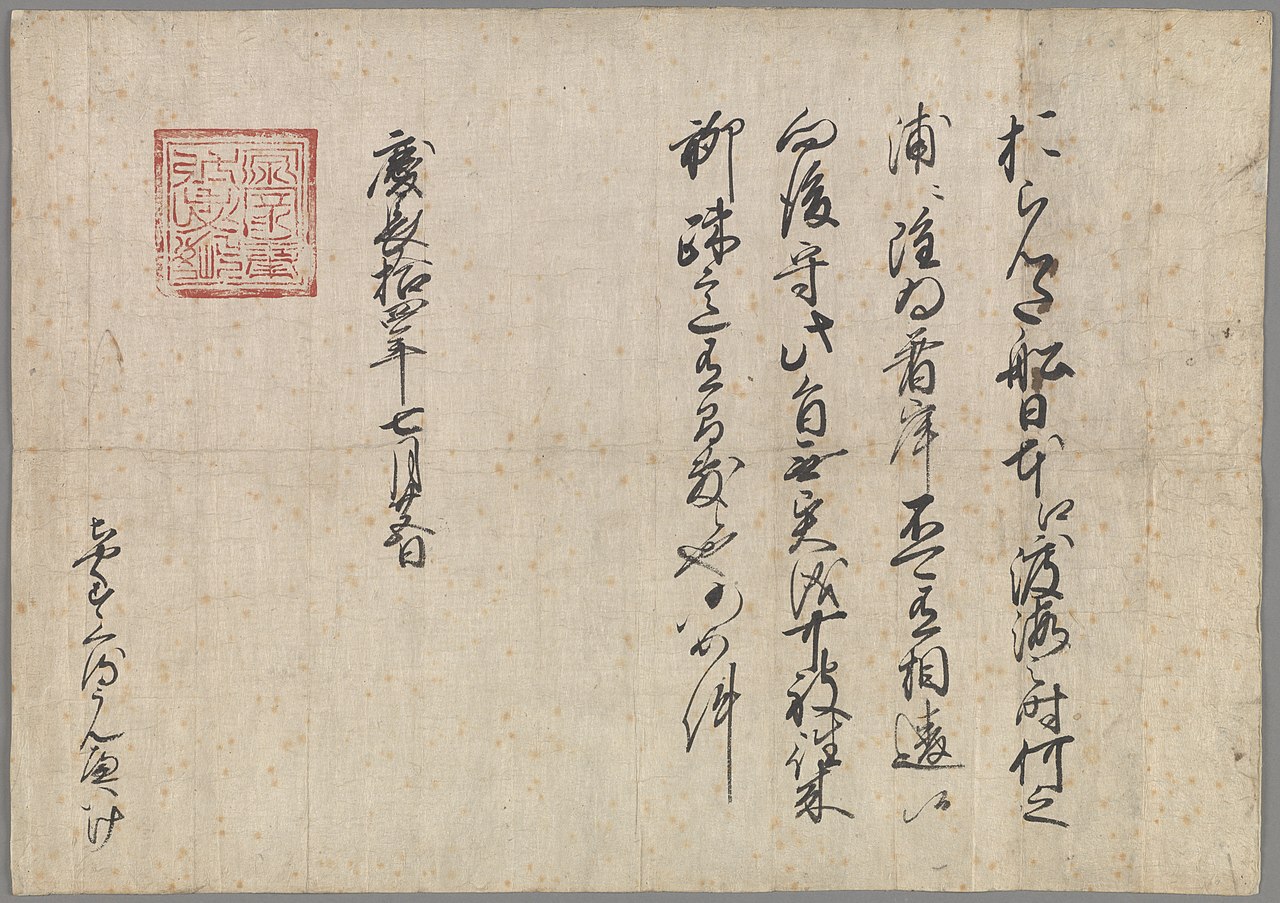
When Adams arrived in Japan he quickly attracted the attention of local leaders because of his practical knowledge of sea travel and European ship construction. He entered the service of powerful regional rulers and later formed a relationship with Tokugawa Ieyasu, the man who would consolidate power in Japan. Japanese authorities found value in his ability to build and repair Western-style vessels, to provide accurate coastal piloting, and to act as an interpreter and intermediary with other Europeans. In Japan he came to be known by a Japanese name and was granted privileges and responsibilities unusual for a foreigner of the period; he was allowed to reside in port communities and to take on apprentices and staff drawn from the local population.
Activities, influence and limitations
Adams advised on practical matters such as ship design, timber use and navigation along coastal waters, contributing to local shipbuilding practices where European techniques were relevant. He also helped facilitate contacts between Japanese authorities and visiting Dutch and, to a lesser extent, English sailors and traders. Although his position gave him extraordinary access and influence, it was rooted in utility: his technical expertise and knowledge of trading patterns made him valuable, but he remained a foreigner in a polity that would soon restrict many outside contacts.
Later years and legacy
William Adams spent the rest of his life in Japan, based in a port where he worked, taught, and served as a trusted adviser. He died in 1620. His presence helped shape early patterns of interaction between Japan and European maritime powers and contributed to the establishment of sustained Dutch trade in certain Japanese ports. Historians view Adams as an example of how individual seafarers could bridge cultural divides in the early modern period; his story has also entered literature and popular culture as a narrative of cross-cultural encounter.
Significance and context
Adams's story sits at the intersection of several broader themes: the growth of long-distance navigation and global trade networks, the role of skilled artisans and pilots in early modern diplomacy, and Japan's selective engagement with Europeans in an era of changing policy. He is commonly cited in studies of early Anglo-Japanese relations and in accounts of how European technology and knowledge were transmitted across cultural boundaries. For readers seeking more detail, specialist studies examine the expedition’s organization, the role of merchants and investors from ports such as Rotterdam, and the place of seafaring communities in ports like Texel and other centers in North Holland.
Further reading and related topics
- Seafaring and technical skills: shipbuilding, astronomy and navigation.
- Institutions and networks: the Dutch East India trading world and its merchants.
- Places of origin and departure: Gillingham, Kent, and ports such as Texel and Rotterdam in North Holland.
- Broader frameworks: exploration of the Eastern world and the European maritime expansion that shaped Adams's career.
Adams's life remains a focal point for discussions of early modern globalization, showing how technical knowledge could open doors to new roles and statuses far from a sailor's homeland. His experience is one among many that illustrate the practical and personal dimensions of the age of sail.
Questions and answers
Q: Who was William Adams?
A: William Adams was an English navigator.
Q: What was William Adams known for?
A: William Adams was known for being the first Englishman to visit Japan.
Q: Where was William Adams born?
A: William Adams was born in Gillingham, Kent, England.
Q: What did William Adams study?
A: William Adams studied shipbuilding, astronomy, and navigation.
Q: Who did William Adams serve in the Royal Navy under?
A: William Adams served in the Royal Navy under Sir Francis Drake.
Q: What trading company did William Adams become a pilot for?
A: William Adams became a pilot for the Barbary Company, a trading company established by Queen Elizabeth I of England.
Q: Who owned the fleet that William Adams shipped as pilot major with in 1598?
A: The fleet that William Adams shipped as pilot major with in 1598 was owned by a company of Rotterdam merchants (Dutch East India Company).
Related articles
Author
AlegsaOnline.com William Adams: English Navigator and Early European Advisor in Japan Leandro Alegsa
URL: https://en.alegsaonline.com/art/108186
Sources
- en.wikisource.org : Adams, William
- global.britannica.com : William Adams.
- oxfordindex.oup.com : William Adams (1564—1620) navigator.
- columbia.edu : Learning from Shogun.