
William-Adolphe Bouguereau
French academic painter (1825–1905) known for polished, idealized depictions of mythological and genre subjects, a leading Salon artist of his era whose reputation fluctuated with changing tastes.
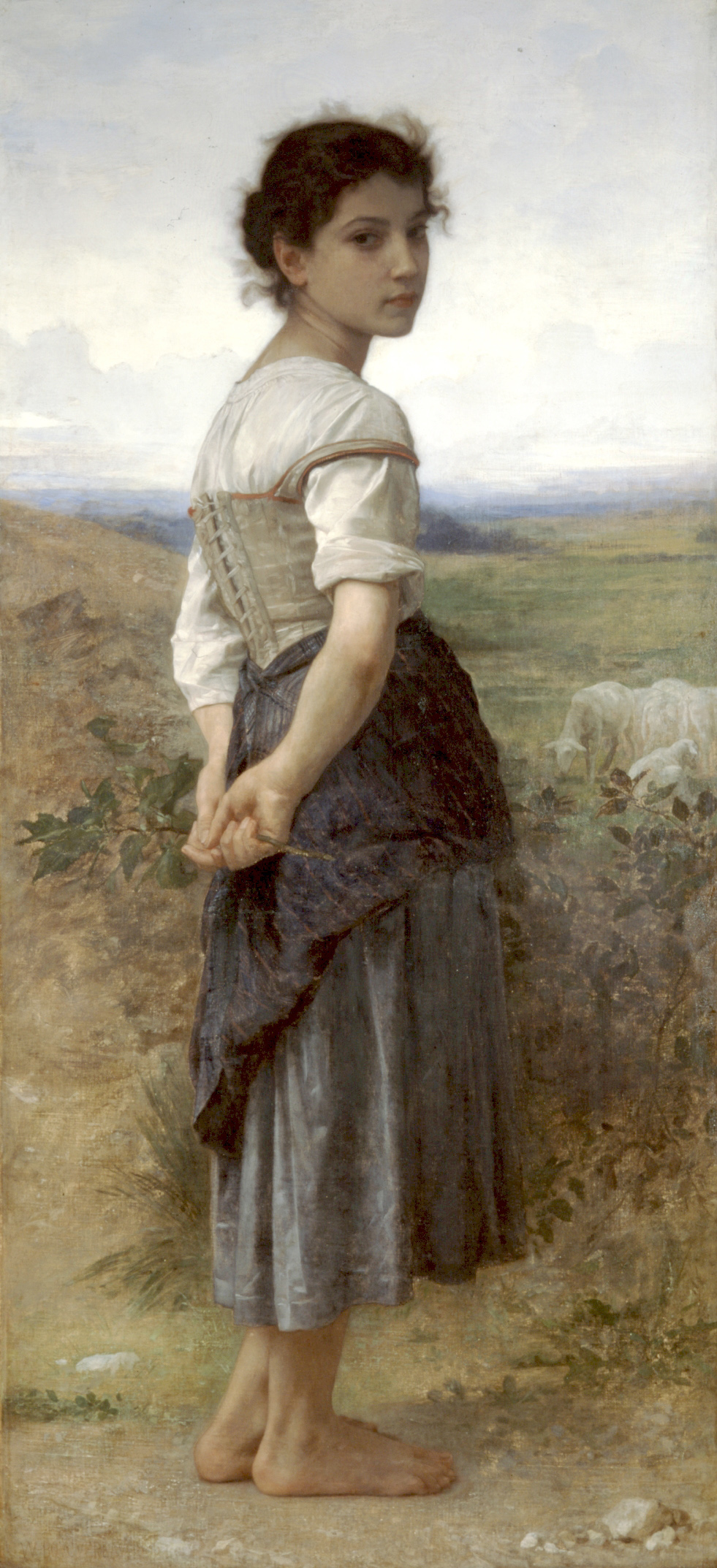
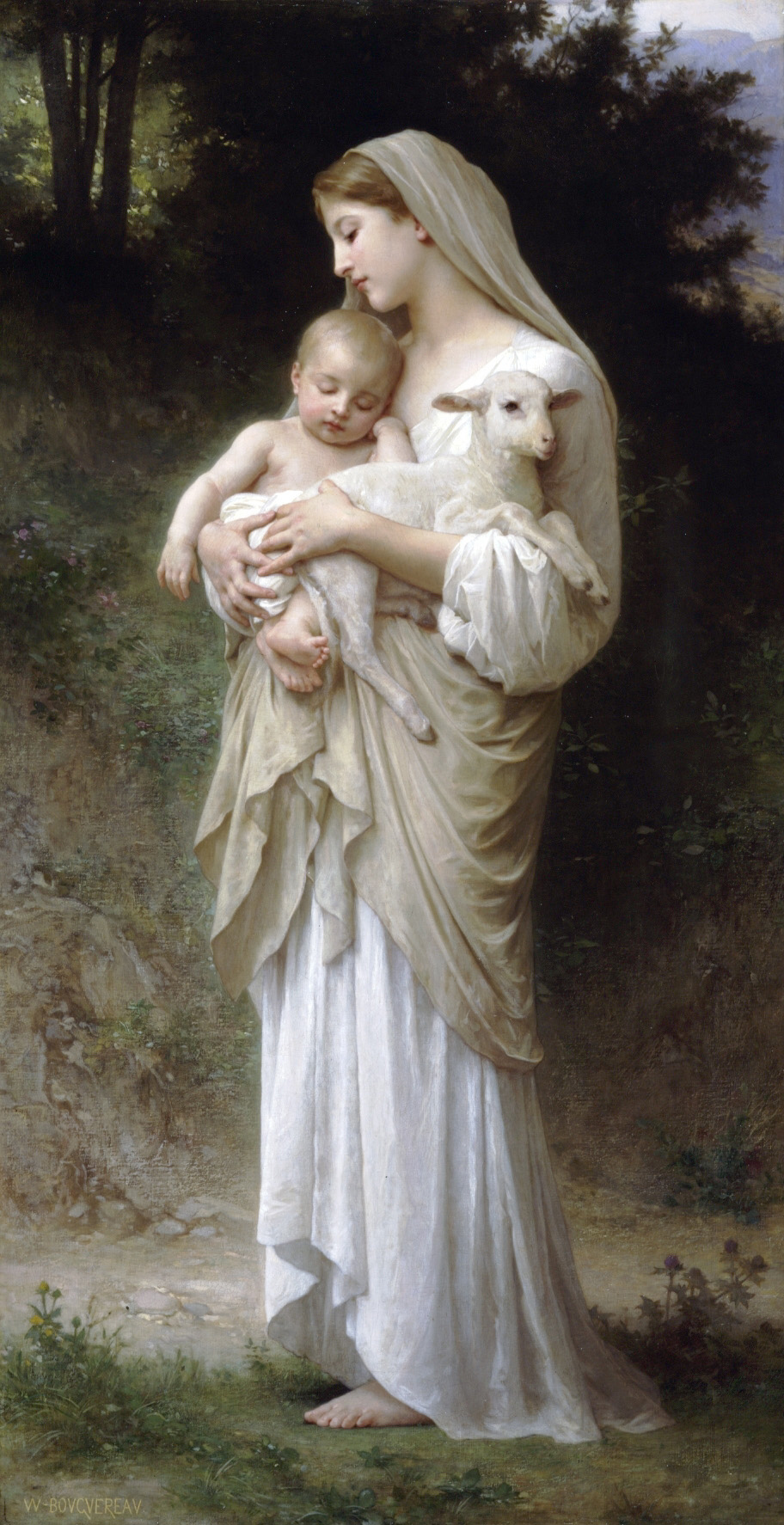
William-Adolphe Bouguereau was a prominent 19th-century French academic painter celebrated in his lifetime for technically precise, highly finished oil paintings that often portrayed idealized figures from myth, religion and everyday rural life. He epitomized the academic tradition that prized draftsmanship, smooth surfaces and lifelike modeling of skin and flesh. His work was popular with private collectors and institutions in France and abroad, and he became one of the best-known painters of the late Second Empire and Third Republic.
Image gallery
10 Images




Artistic style and subject matter
Bouguereau’s manner is marked by meticulous drawing, gradual tonal transitions and a nearly enamel-like surface that minimizes visible brushstrokes. He favored classical composition, clear narrative content and figures rendered with careful anatomical study. Recurring subjects include female figures, mothers and children, peasant scenes, religious episodes and stories from antiquity. His paintings often combine academic idealization with everyday details, producing images that are at once accessible and polished.
Critics and admirers alike noted his particular skill in depicting skin, hands and feet — areas in which he achieved subtle gradations of light and realism. Because of this technique his pictures were sometimes described as "photorealistic" by contemporary observers. He trained and worked within established institutions and academic conventions, which he defended even as newer movements challenged them. For general context on academic practice and debates of the period, see French academic painting and the wider culture of the Salon.
Life and professional development
Born in 1825 into a provincial family of wine and olive oil merchants, Bouguereau’s early aptitude for drawing led relatives and patrons to arrange formal art instruction. He attended a recognized art school where he won prizes as a student and undertook commissions to support himself, including decorative labeling and commercial design. After establishing himself in Paris he married and raised a family while building a successful career. In the 1850s a relationship with an influential dealer expanded his market beyond France, enabling him to acquire a large studio and devote himself full time to painting.
Bouguereau was also active as a teacher and examiner, passing on traditional methods to pupils and participating in the official channels of academic art. His steady productivity was considerable: catalogues attribute many hundreds of works to him over a lifetime of work, testifying to his workshop practice and disciplined routine.
Reception, legacy and distinctions
During his lifetime Bouguereau enjoyed widespread commercial success and official recognition. However, as modernist movements such as Impressionism and later avant-garde currents gained ascendancy, his style fell out of critical favor in the early 20th century, criticized for its perceived conservatism and sentimentality. In later decades there has been renewed interest in his craft, subject matter and the broader academic tradition he represented; museums, private collectors and scholars have reevaluated his technical mastery and his role in 19th-century visual culture.
Notable facts and resources
- He combined academic ideals with popular themes, producing pictures that appealed to collectors of his day and remain recognized for technical skill.
- He maintained a disciplined studio routine and produced a very large body of work over many decades.
- For more on his themes and typical compositions consult material on classical and mythological themes and studies of academic portraiture such as photorealistic technique.
- Biographical and institutional contexts for his training and teaching can be explored via resources on 19th-century art academies such as the art academy system in France.
Today Bouguereau remains an instructive figure for the study of academic practice, 19th-century taste, and the shifting fortunes of artists’ reputations. His work provides a clear example of how technical mastery and market demand intersected in the art world of his era, and why debates over realism, idealism and modernity continue to shape art-historical perspectives.
Questions and answers
Q: When was William-Adolphe Bouguereau born?
A: William-Adolphe Bouguereau was born on November 30, 1825.
Q: What style of painting did he use?
A: William-Adolphe Bouguereau used a traditionalist style that did not change much throughout his painting career.
Q: What type of subjects did he like to paint?
A: William-Adolphe Bouguereau liked to paint classical scenes and scenes from ancient mythology, as well as pictures of women.
Q: How did his uncle help him pursue an art career?
A: His uncle arranged for him to get a proper education at school so that he could pursue an art career.
Q: How did he make money while studying art?
A: To earn extra money while studying art, William-Adolphe Bouguereau designed labels for fruit jellies and jams.
Q: How did he become famous in other countries?
A: He became famous in other countries due to a profitable friendship with a successful art dealer.
Q: What was his attitude towards painting near the end of his life?
A Near the end of his life, William-Adolphe Bouguereau described his love of painting saying “Each day I go to my studio full of joy; in the evening when obliged to stop because of darkness I can scarcely wait for the next morning to come…if I cannot give myself to my dear painting I am miserable”.
Related articles
Author
AlegsaOnline.com William-Adolphe Bouguereau Leandro Alegsa
URL: https://en.alegsaonline.com/art/108188