
Eastern world: regions, cultures, history and contemporary significance
An accessible overview of the Eastern world—its regions, cultural traits, historical development, and contemporary roles in global culture, politics and economy.
Overview
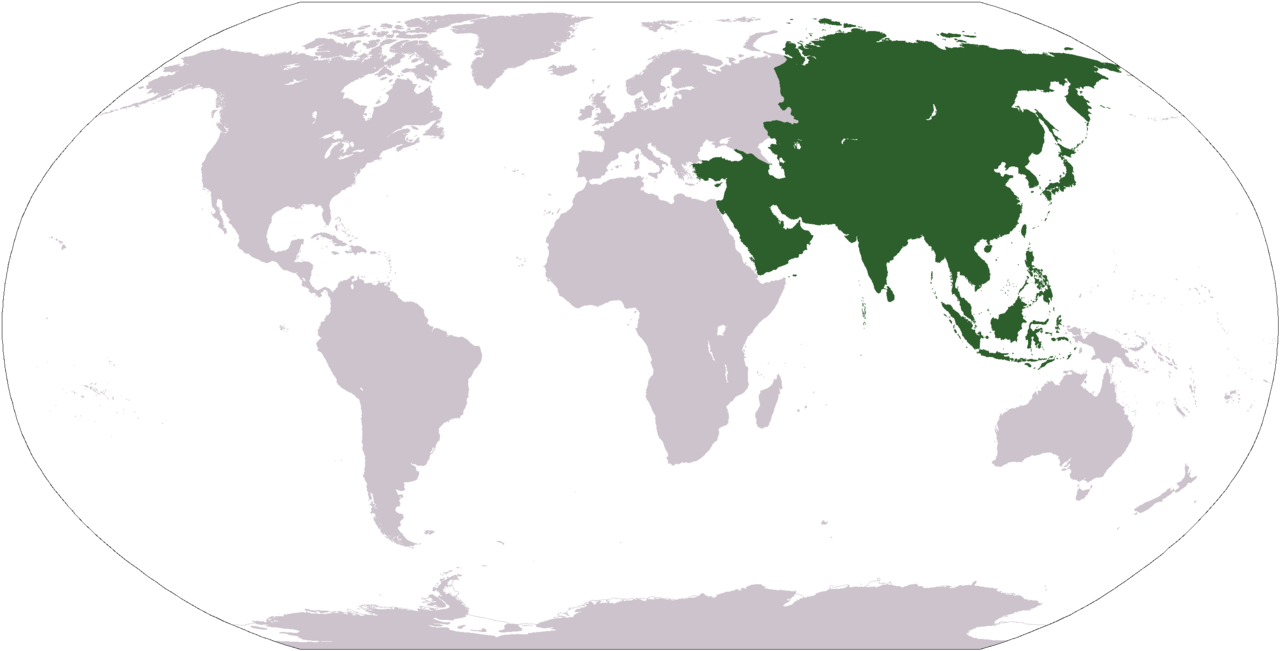
The phrase "Eastern world" broadly denotes the societies, traditions and intellectual systems commonly associated with Asia and adjacent regions. It is used to group a vast and diverse set of cultures, social structures and philosophical systems that have developed across the Asian landmass and nearby islands. The term is heuristic rather than precise: it highlights shared historical connections and contrasts with the concept of a "Western world," while recognizing enormous internal variety.
Image gallery
6 Images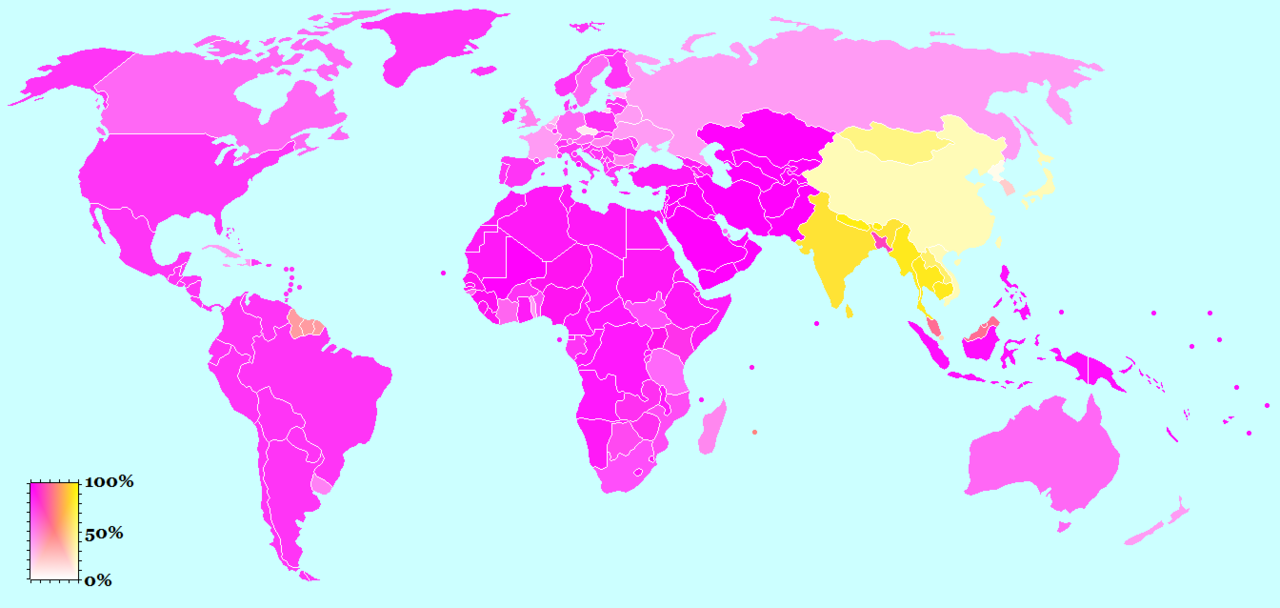


Geographic scope and regional groupings
Common organizational schemes divide the Eastern world into several overlapping regions. These groupings emphasize geography, history and cultural exchange rather than strict borders.
- Indian subcontinent: Indian subcontinent including Bangladesh, Bhutan, India, Myanmar, Pakistan, Sri Lanka, Maldives, Nepal and sometimes Afghanistan.
- Far East: countries of East and Southeast Asia such as the Far East, China, Taiwan, Vietnam, Cambodia, Philippines, Malaysia, Mongolia, Indonesia, Japan, North Korea and South Korea.
- Australasia: the Pacific-influenced region commonly including Australasia, Australia and New Zealand.
- Adjacent zones: terms such as the Middle East, Near East and Central Asia are sometimes grouped with the Eastern world depending on context and perspective.
Characteristics and cultural dimensions
Despite diversity, some broad themes appear across many Eastern societies: long-standing religious and philosophical traditions (Buddhism, Hinduism, Confucianism, Daoism, Islam and others), emphasis on family and community ties, and distinctive practices in art, cuisine, architecture and social ritual. Languages, artistic forms and legal systems vary greatly, yet trade routes, shared scriptures and migration have created deep cross-cultural ties.
History and development
The history of the Eastern world encompasses ancient civilizations, such as those in the Indus valley and along the Yellow River, centuries of internal empires and kingdoms, the spread of religions and ideas, and intensive contact via trade networks like the Silk Road. Colonialism, the rise of nation-states, industrialization and 20th-century political change radically reshaped societies, while post‑war globalization and technology have further transformed economies and cultures.
Contemporary significance and distinctions
Today the Eastern world plays a central role in global economics, technology, demographic trends and cultural exchange. The label can be useful for comparative analysis, but it risks oversimplifying: the "East" and "West" are imprecise constructs shaped by history, power relations and perspective. Scholars and commentators often prefer more specific regional terms when discussing politics, religion, economics or culture.
Further notes
- The term is descriptive, not a strict geopolitical category.
- Regional boundaries and identities change over time and by discipline.
- For more detailed entries on particular countries, traditions or historical periods consult specialized sources: cultures and regional studies offer deeper context.
Questions and answers
Q: What does the term Eastern world refer to?
A: The term Eastern world refers to various cultures, social structures, and philosophical systems of Eastern Asia or geographically the Eastern Culture.
Q: What countries are included in the Indian subcontinent?
A: The Indian subcontinent includes Bangladesh, Bhutan, India, Myanmar, Pakistan, Sri Lanka, the Maldives, Nepal and sometimes Afghanistan.
Q: What countries make up the Far East?
A: The Far East consists of China, Taiwan, Vietnam, Cambodia, Philippines, Malaysia, Mongolia Indonesia Japan North Korea and South Korea.
Q: Are Australasia countries considered part of the Eastern world?
A: Yes. Australasia includes Australia and New Zealand which are both considered part of the Eastern world.
Q: Is Central Asia considered east in terms of Europe?
A: Yes. Central Asia is often considered 'east' in terms of Europe.
Q: Is the Middle East/Near East part of the Eastern World?
A: Yes. The Middle East/Near East is also included as part of the Eastern World.
Related articles
Author
AlegsaOnline.com Eastern world: regions, cultures, history and contemporary significance Leandro Alegsa
URL: https://en.alegsaonline.com/art/29785