
William Blum: Critic of U.S. Foreign Policy and Author
American author and historian William Blum (1933–2018) documented and criticized U.S. foreign interventions in works such as Rogue State and Killing Hope; his writing drew broad attention and controversy.
Overview
William Blum (March 6, 1933 – December 9, 2018) was an American author and historian noted for his sustained critique of United States foreign policy. Over several decades he published investigative books and essays arguing that U.S. intelligence and military actions abroad often undermined democratic movements and contributed to conflict. His writing combined reporting on declassified documents, secondary sources and polemical commentary aimed at a general readership.
Image gallery
1 Image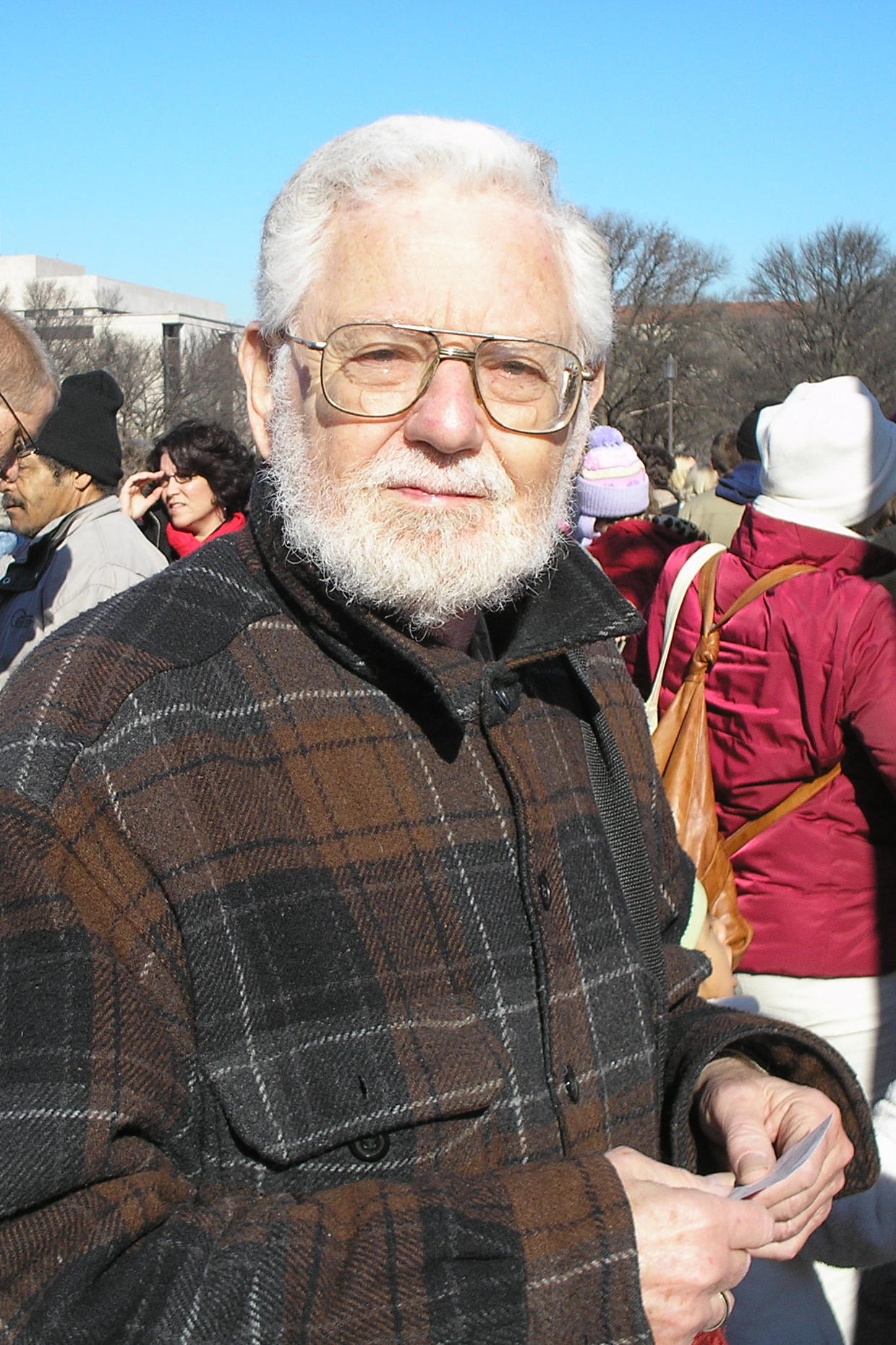
Major works
Blum's best-known books brought attention to episodes of covert action, regime change and intervention.
- The CIA: A Forgotten History (1986) — a critical account of Central Intelligence Agency activities during the Cold War era.
- Rogue State: A Guide to the World's Only Superpower (2000) — a concise critique of U.S. foreign policy practices that sought to catalogue perceived abuses of power.
- Killing Hope: U.S. Military and CIA Interventions Since World War II (first published in the late 1990s and revised later) — an extended chronicle of interventions in multiple regions and countries.
Early life and career
Blum was born in Brooklyn, New York. In the mid-1960s he held a computer-related position at the United States Department of State, an experience that preceded his move into journalism and later independent research and authorship. Over time he became associated with a school of writing that emphasized documenting links between U.S. policy choices and outcomes abroad.
Public reception and controversies
Blum's work attracted both praise from activists and scholars critical of U.S. interventionism and criticism from those who described his tone as polemical or selective. His books were widely read outside academic circles and used by activists and some journalists as reference material. In early 2006 he received intense media attention after Osama bin Laden quoted him and recommended Rogue State, a development that brought additional scrutiny and debate about the reach and interpretation of his critiques.
Legacy, influence and death
Blum's publications remain frequently cited in discussions of U.S. intervention, especially in activist and alternative media contexts. Readers and researchers drawn to critical perspectives on foreign policy continue to consult his chronologies and bibliographies as starting points for further study. William Blum died on December 9, 2018 in Arlington, Virginia; reports stated his death followed complications from kidney failure. His work is regarded as an influential, if contested, contribution to public debate about power, secrecy and foreign relations.
Notable characteristics and criticisms
Blum's approach combined detailed incident lists with interpretive argument, making complex histories accessible but also exposing him to critiques that he sometimes prioritized a polemical narrative over balanced nuance. Despite such criticisms, his books helped popularize the practice of tracing the consequences of covert operations and interventions for broad audiences.
Related articles
Author
AlegsaOnline.com William Blum: Critic of U.S. Foreign Policy and Author Leandro Alegsa
URL: https://en.alegsaonline.com/art/108194
Sources
- washingtonpost.com : "The Author Who Got A Big Boost From bin Laden"
- theguardian.com : "Osama bin Laden recommends"
- democracynow.org : "William Blum, Independent Journalist and Anti-Imperialist Historian, Dies at 85"
- nytimes.com : William Blum, U.S. Policy Critic Cited by bin Laden, Dies at 85