
Shipbuilding: history, techniques, and the modern industry
Comprehensive overview of shipbuilding: what it is, how ships are designed and built, its historical development, major centres, applications, and current trends shaping the global industry.
Overview
Shipbuilding is the sector that plans, designs and constructs vessels intended for navigation on water, from small boats to large merchant ships and naval platforms. It combines naval architecture, structural engineering, materials science and systems integration to produce units that meet safety, commercial and regulatory requirements. Shipyards coordinate many trades — steelworkers, electricians, pipefitters and outfitters — to transform drawings and modules into finished ships.
Image gallery
10 Images






Process and main characteristics
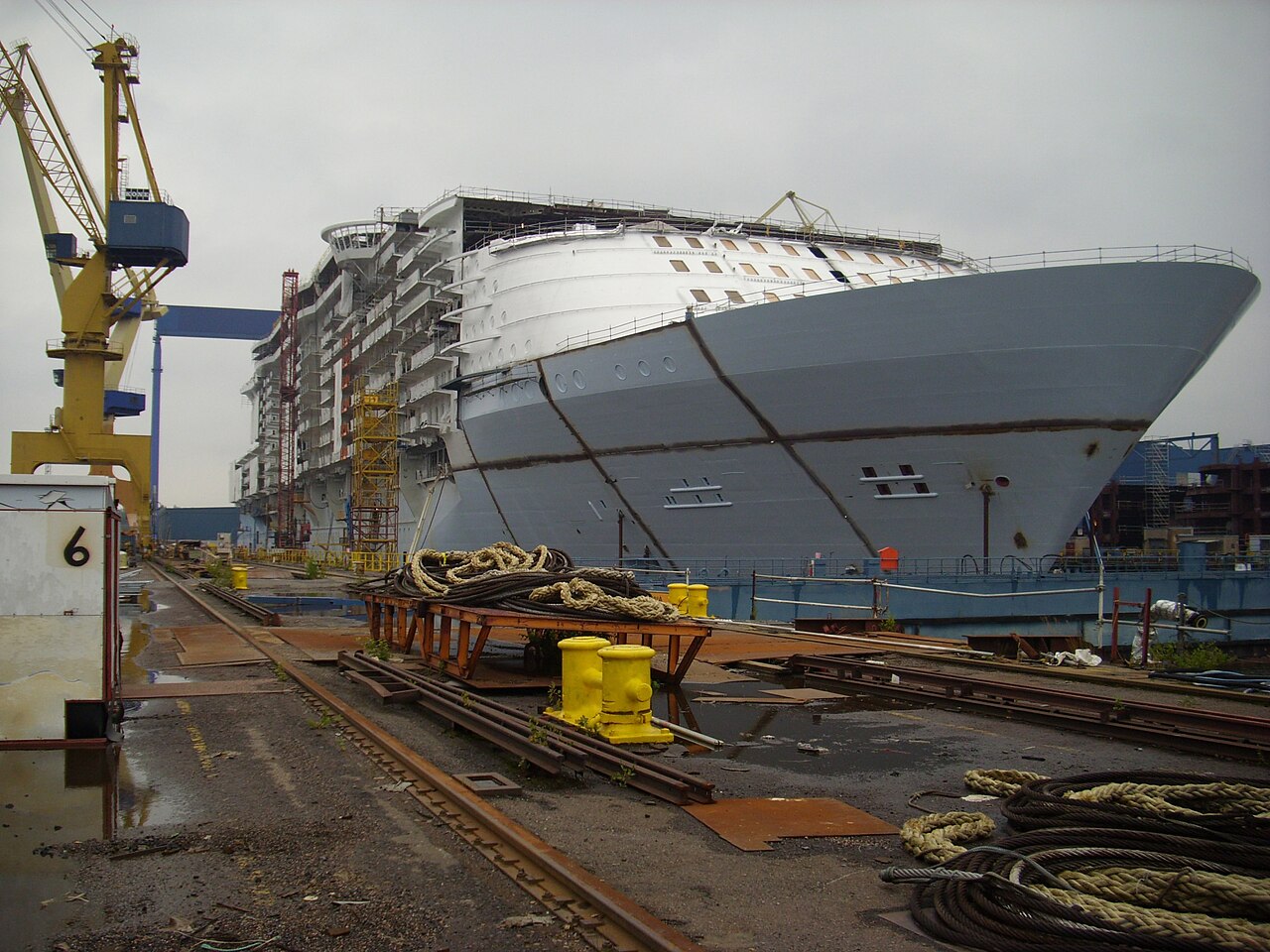
Modern ship construction typically follows a sequence of design, prefabrication, assembly and outfitting. Detailed design sets hydrostatic and structural criteria; modular fabrication produces large blocks in controlled workshops that are later joined in dry docks or on slipways. Key features include hull form, propulsion arrangement, cargo or mission spaces, and accommodation. Materials have shifted from riveted plate to welded steel and, for smaller craft, aluminum or composites.
Common stages in a build include:
- Concept and feasibility studies
- Detailed naval architecture and systems engineering
- Block construction and hull erection
- Launching and sea trials
- Delivery, certification and commissioning
History and development
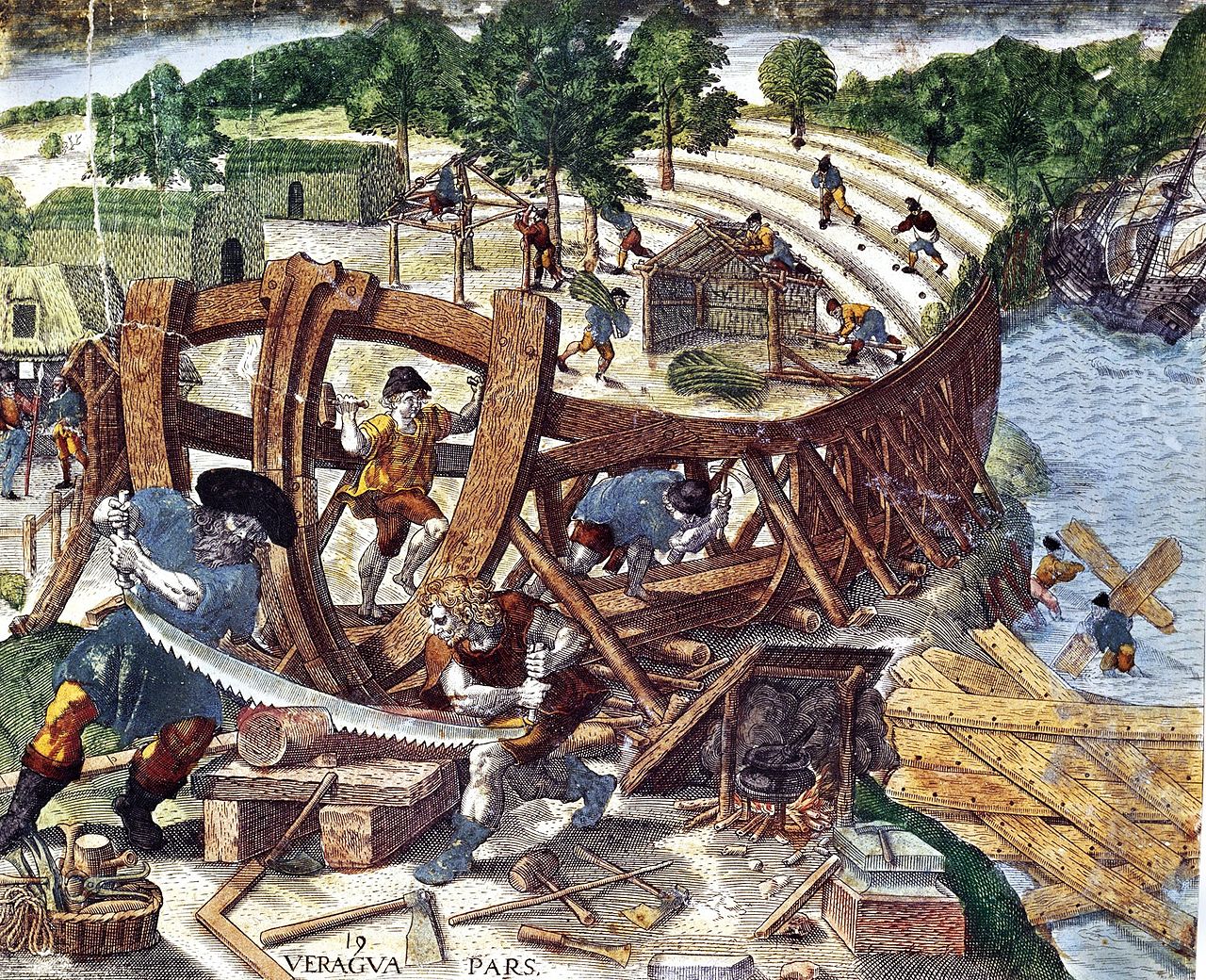
Ship construction has evolved from handcrafted wooden vessels to industrial-scale steel production. In the 19th and 20th centuries, large shipyards in cities such as Glasgow and Sunderland became centers of output and innovation, adopting iron and steam power. Over the late 20th and early 21st centuries, the geographic center of commercial shipbuilding shifted toward East Asia, with countries like Japan, South Korea and China becoming dominant builders due to large integrated yards, specialized suppliers and competitive costs.
Uses and importance
Ships are essential to global trade, defense, scientific research and leisure. Cargo ships and tankers carry most of the world’s freight by volume; ferries and cruise ships support transportation and tourism; navies operate purpose-built combatants and auxiliaries; and specialized vessels serve offshore energy, research or ice operations. The design priorities vary by mission: efficiency and capacity for merchant ships, survivability for warships, and comfort for passenger vessels.
Current trends and challenges
Contemporary shipbuilding faces technological and regulatory pressures. Trends include greater use of digital design tools, modular construction, automation and adoption of new fuels and propulsion systems to reduce emissions. Shipyards also respond to stricter safety and environmental standards, supply-chain complexity and competition for skilled labor. Classification societies and flag states play a central role in certification and compliance.
Further reading
For more information on specific aspects of shipbuilding, see these resources:
- Manufacturing and industrial processes
- Definitions and types of ships
- Historical shipyards in Glasgow
- Maritime heritage in Sunderland
- 21st century shipbuilding overview
- Industry and trade considerations
- Shipbuilding in the United Kingdom
- South Korea's shipbuilding sector
- China's ship construction industry
- Japan's historical role in shipbuilding
Related articles
Author
AlegsaOnline.com Shipbuilding: history, techniques, and the modern industry Leandro Alegsa
URL: https://en.alegsaonline.com/art/89855