
Merchant: roles, types, history, and modern legal and commercial aspects
A merchant buys and sells goods or services for profit. This article explains types of merchants, historical development, legal duties, modern forms (including e-commerce) and key distinctions.
Overview
A merchant is a person or firm engaged in the business of buying and selling goods or services with the aim of making a profit. Historically the term referred to traders who moved goods between regions, but today it covers a broad range of sellers, from market vendors to multinational retailers and online sellers. Merchants participate in commerce and distribution chains and often specialise in particular products, markets or customer groups. The basic economic goal of a merchant is to purchase or obtain goods at one price and resell them at a higher price, thereby earning profit.
Image gallery
10 Images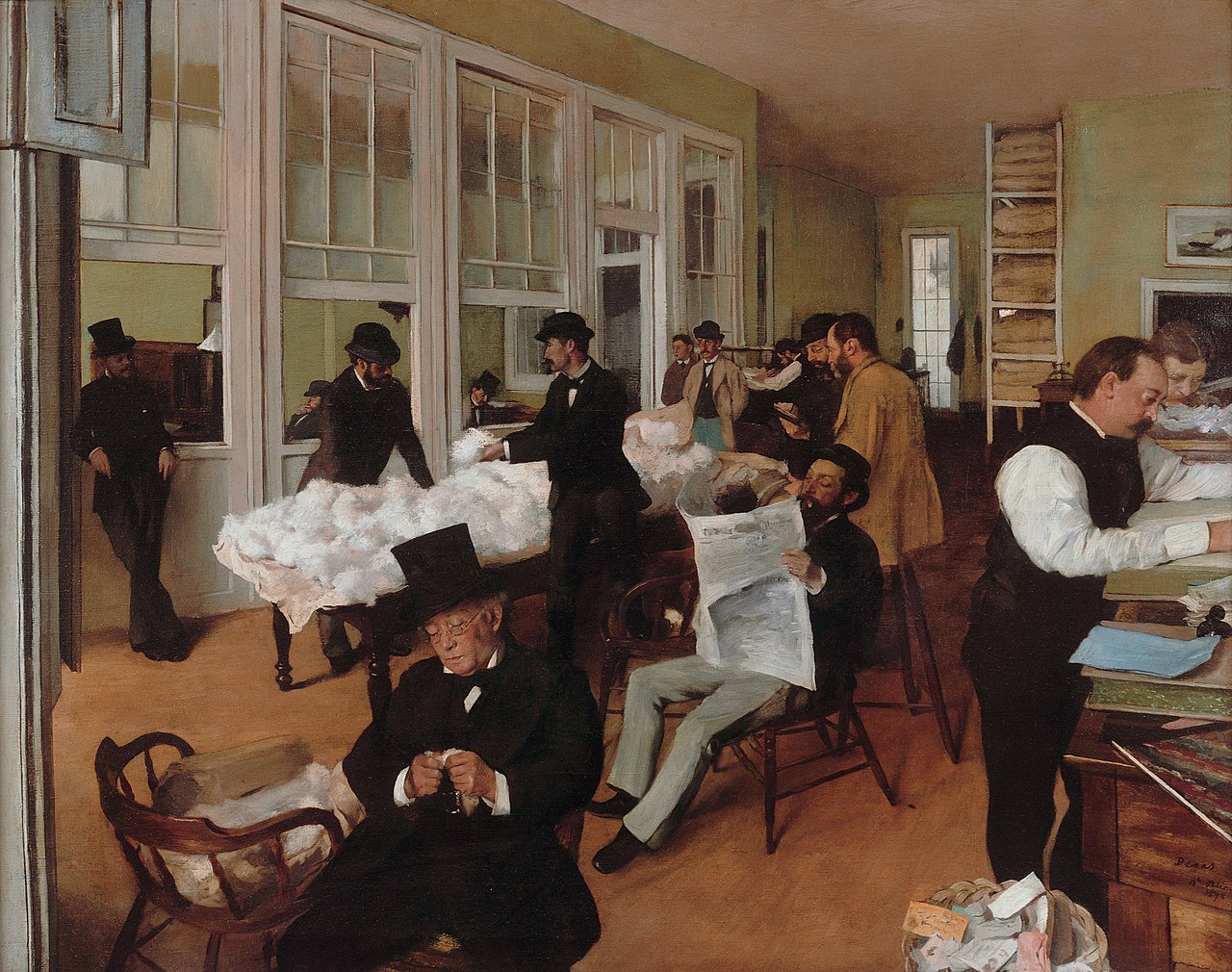


Types and functions
Merchants are commonly categorised by where they operate in the distribution process and whom they sell to. Two widely recognised types are wholesale and retail merchants:
- Wholesale merchants purchase goods in large quantities from producers or manufacturers and supply them to retailers, other wholesalers, or institutional buyers. Some wholesalers primarily organise logistics and contracts without physically storing goods. See more on wholesale models via wholesale.
- Retail merchants sell goods directly to end consumers, and may operate physical shops, stalls, or online stores. Shop owners and independent retailers are typical examples; retailers serve both individual consumers and, in some cases, business customers (business-to-business sales).
History and development
Trade and merchants have existed wherever surpluses and demand intersect. From local markets to long-distance caravan and maritime routes, merchants played a central role in moving commodities, ideas and finance. Over centuries, distinct merchant classes and institutions—such as guilds, merchant banks and chartered trading companies—developed to manage risk, credit and complex logistics. The industrial revolution and modern transportation expanded merchant activities, and the late 20th and early 21st centuries brought digital platforms that transformed how merchants reach customers.
Legal and commercial aspects
The term "merchant" also has legal significance. In many legal systems a merchant or businessperson is treated differently from a casual seller, with specific obligations and standards. For example, in United States commercial law a "merchant" is generally someone regularly engaged in the kind of dealings at issue; merchants are often held to higher standards for practices like warranties and representations. The common law tradition and codified commercial statutes address these duties and remedies—factors that affect contracts, returns and consumer protections. Read a general reference to trade law at trade sources and a note on historical common law practice at common law. Obligations like implied warranty of fitness or merchantability are often discussed under warranty rules.
Modern examples and trends
Contemporary merchants vary from small independent artisans to large retail chains and online platforms. E-commerce has enabled many sellers to reach global markets, while payment systems, logistics partners and digital marketing shape merchant operations. New business models—dropshipping, subscription commerce, marketplace platforms—change inventory and fulfilment roles, blurring lines between wholesalers and retailers. Practical guides and business resources can be found through trade associations and online portals such as retail networks.
Distinctions and notable points
Key distinctions to keep in mind: a merchant differs from a manufacturer (who produces goods) and from a consumer (who buys for personal use). Legal status as a merchant affects contractual obligations and standards of care. In practice, many organizations act simultaneously as merchants, distributors and service providers. For more context on market roles and industry practices, consult sector-specific resources or trade guides represented by links like consumers and businesses.
For further reading and practical assistance, businesses commonly consult trade associations, regulatory agencies and commercial law summaries; introductory directories and business help sites can be found through portals indicated by trade, wholesale, and retail resources.
Questions and answers
Q: What is a merchant?
A: A merchant is someone who deals with trade, meaning they deal in goods that they do not produce themselves in order to make a profit.
Q: What are the two types of merchants?
A: The two types of merchants are wholesale and retail. A wholesale merchant works between producers and retail merchants, while a retail merchant sells goods directly to consumers or businesses.
Q: Who is considered a "merchant" in the US?
A: In the US, any person engaged in business or profession or selling regularly is considered a "merchant".
Q: How are merchants held to higher standards than those not engaged in selling goods as a profession?
A: Merchants are expected to give warranties on products sold even if there is nothing written about it, whereas those not engaged in selling goods as a profession may not be held to this same standard.
Q: What does a shop owner do?
A: A shop owner is considered a retail merchant, meaning they sell goods directly to consumers or businesses.
Q: Does every wholesale merchant move the goods themselves?
A: No, some wholesale merchants only organise the movement of goods rather than actually moving them themselves.
Related articles
Author
AlegsaOnline.com Merchant: roles, types, history, and modern legal and commercial aspects Leandro Alegsa
URL: https://en.alegsaonline.com/art/63905