
Texel: Dutch Wadden Island and Municipality
Texel is the largest Dutch Wadden Island and a municipality in North Holland, noted for dunes, nature reserves, bird migration, coastal villages and the widely bred Texel sheep.

Texel is an island and municipality in the province of North Holland, in the Netherlands. It is the largest of the Dutch Wadden Islands and forms part of the chain known as the West Frisian Islands. The municipality includes the inhabited island and adjacent tidal flats; a smaller, largely uninhabited sandbar, Noorderhaaks, also lies within its jurisdiction. The main town and administrative centre is Den Burg.
Image gallery
10 Images




Geography and landscape
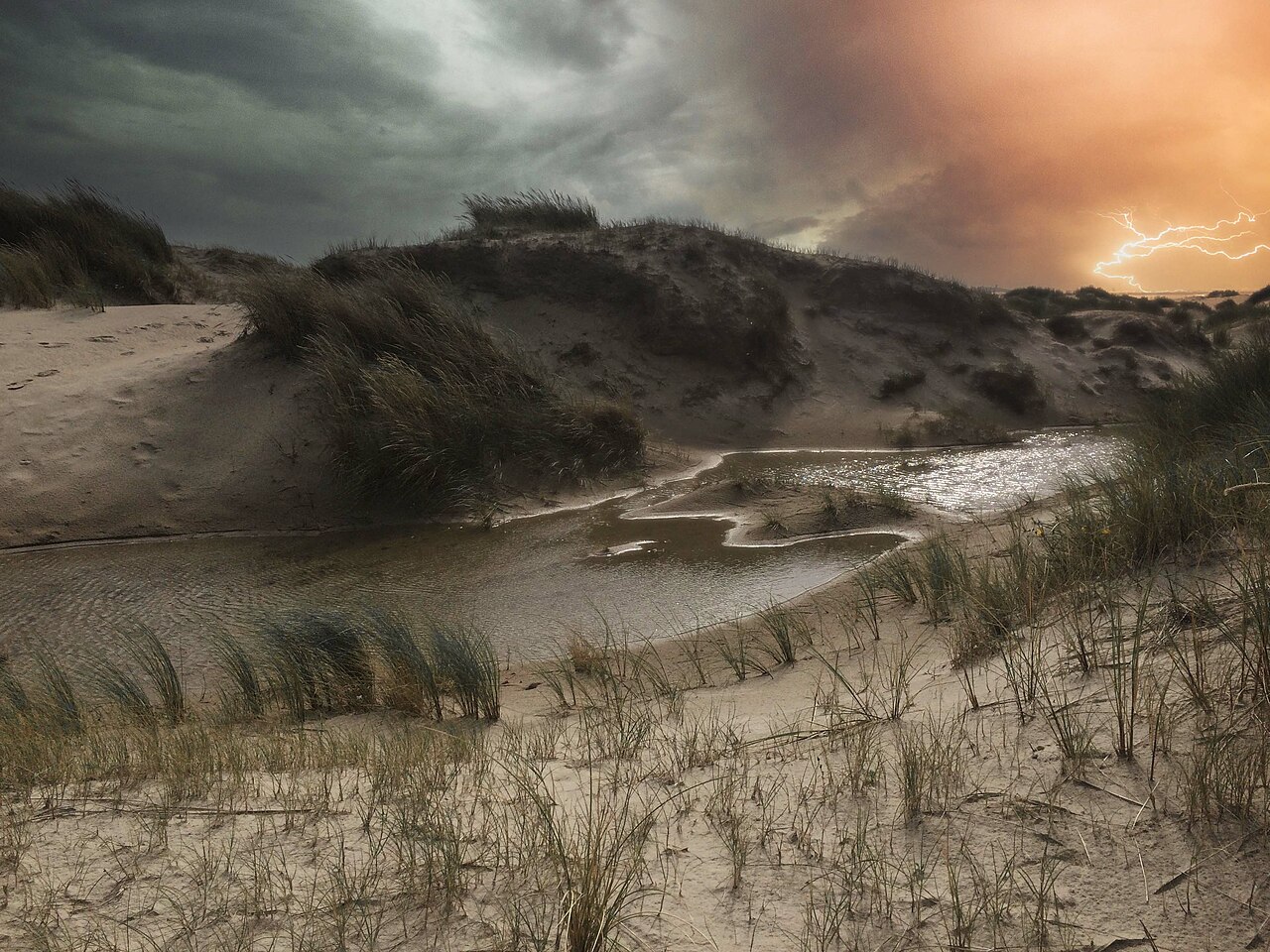
The island measures roughly 161 km² of land and the wider municipal area covers a larger surface when tidal zones are included. Texel's western coast features long sandy beaches and dunes, while its eastern side borders the shallow tidal flats of the Wadden Sea. It sits southwest of the island of Vlieland and is reached by a regular ferry service from the mainland at Den Helder. The island’s terrain is shaped by winds, waves and tidal processes, resulting in dynamic shoreline features, salt-marsh inlets and dune systems.
Settlements and points of interest
Villages and hamlets are clustered around sheltered harbours and inland groves. Notable settlements include Den Burg (the largest town), the coastal resort of De Koog, the fishing harbour of Oudeschild and the small village of Den Hoorn. Attractions commonly visited by residents and tourists include:
- Extensive beaches and dune walks suitable for bathing and recreation.
- Protected wetlands and unique saltmarsh areas such as De Slufter, where seawater flows freely into the land.
- Historic lighthouses and maritime heritage connected to fishing and navigation.

History and human use
The island has been shaped over centuries by coastal processes and by human activity: settlement, agriculture, fishing and limited maritime trade. Communities on Texel historically relied on farming, sheep grazing and the sea. Over time the island evolved from a working landscape into one with an increasing focus on tourism and nature conservation, while retaining local traditions and coastal village life.
Nature, wildlife and conservation
Texel is important for coastal ecology and migratory birds. The adjacent Wadden Sea is internationally recognised for its tidal flats and as a staging ground for millions of migratory shorebirds; large parts of the region benefit from legal protection and international conservation frameworks. Interior dunes, salt marshes and bird-rich mudflats support a diverse set of plants and animals, and several reserves on Texel are managed for both biodiversity and visitor access.
Economy and notable facts
Modern economic activity on Texel combines tourism, agriculture, small-scale fishing and conservation-related services. The island attracts visitors for its beaches, cycling routes, birdwatching and local produce. Texel is also known beyond the island for the Texel sheep, a breed developed on the island that is now valued in sheep farming worldwide for meat and breeding qualities. As a municipality the population is modest — historically around 13,600 residents (circa 2016) — but visitor numbers swell seasonally, making tourism an important economic driver.
For practical information about travel, local administration and protected areas, see local resources and visitor guides maintained by municipal and conservation organisations.
North Holland | the Netherlands | West Frisian Islands | Vlieland | Noorderhaaks
Related articles
Author
AlegsaOnline.com Texel: Dutch Wadden Island and Municipality Leandro Alegsa
URL: https://en.alegsaonline.com/art/97308