
Wessex: Anglo‑Saxon Kingdom and Cultural Region
Wessex was a leading Anglo‑Saxon kingdom in southern England whose rulers shaped the formation of the English state and whose name survives in literature and titles.
Overview
Wessex was one of the principal Anglo‑Saxon polities that emerged in post‑Roman Britain. Established by the West Saxons in the early medieval period, it occupied much of southern and south‑western England and became the dominant kingdom by the ninth century. As a political entity it helped bring together smaller kingdoms and rules that ultimately contributed to a single English monarchy.
Image gallery
10 Images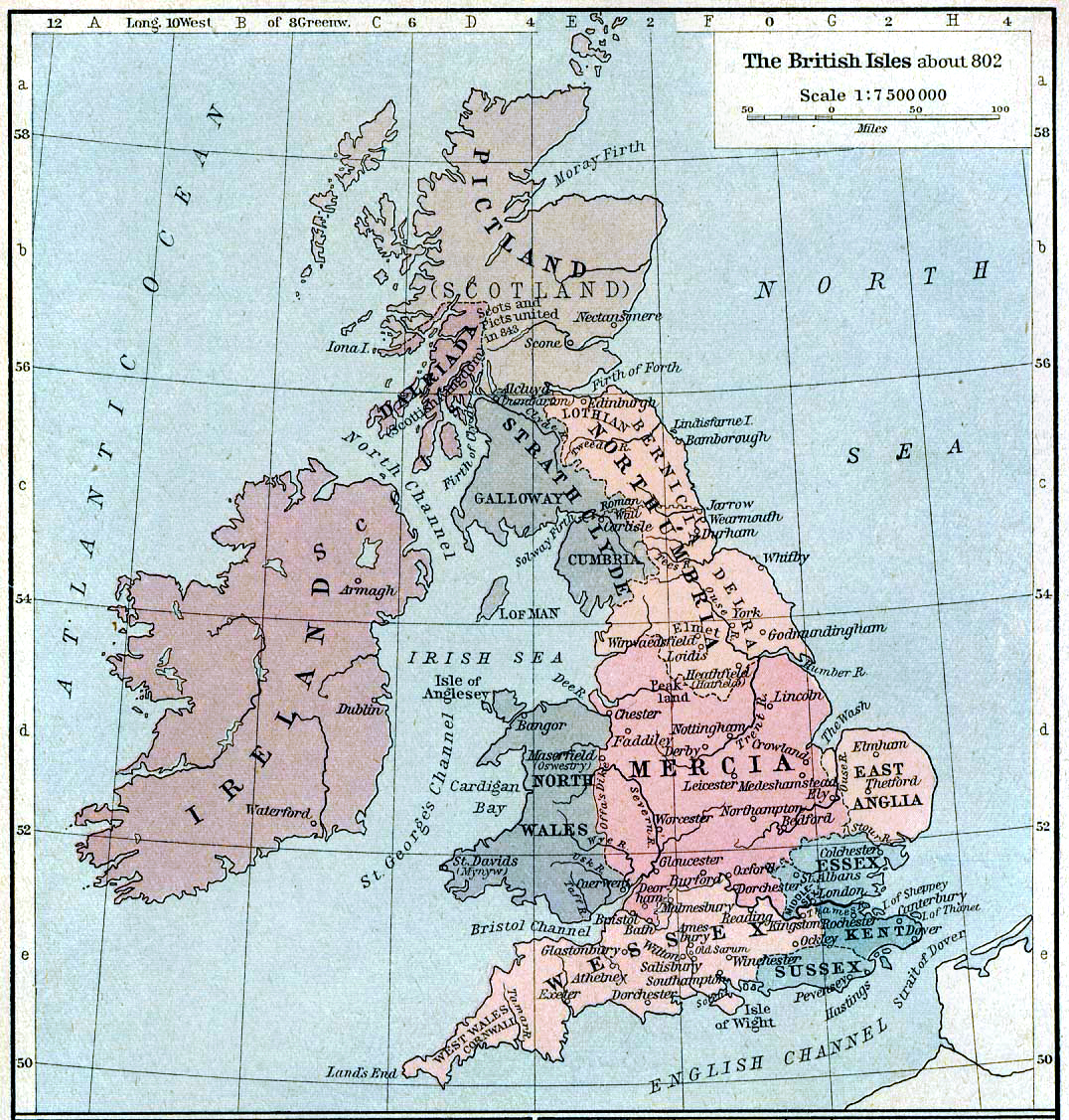





Geography and society
The territory associated with Wessex included fertile lowlands and chalk uplands roughly corresponding to modern counties such as Hampshire, Wiltshire, Dorset, Somerset and parts of Berkshire and Devon. Its economy combined mixed agriculture, animal husbandry, craft production and trade along rivers and coasts. Social structure followed typical Anglo‑Saxon patterns with kinship groups, earls and local magistrates, a warrior aristocracy, and communities organized around villages and market towns.
Historical development
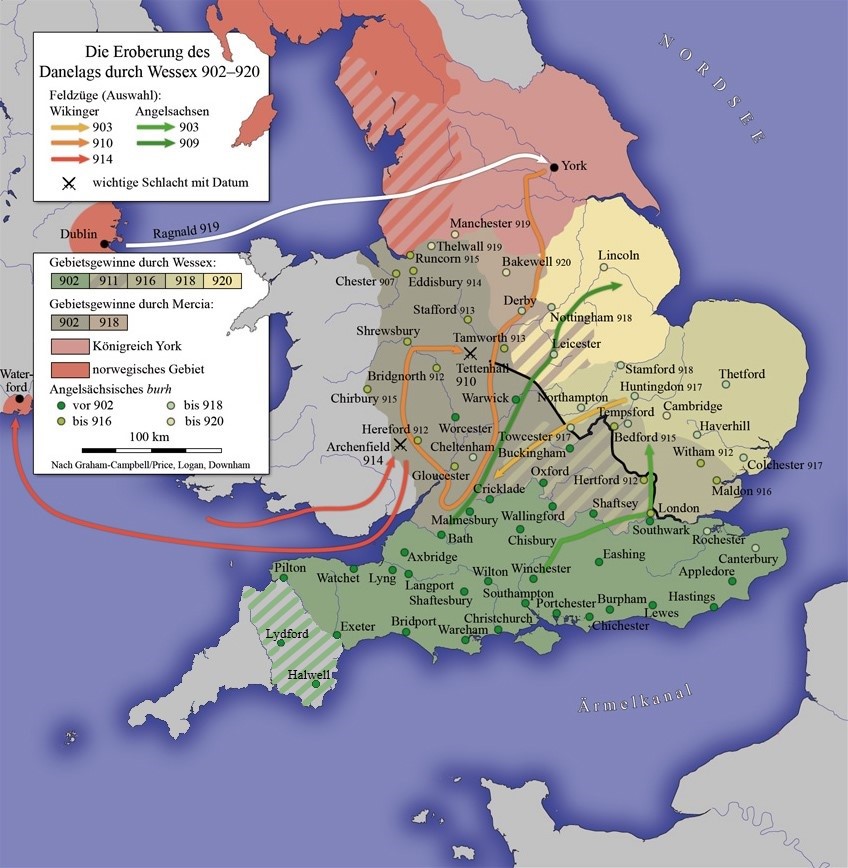
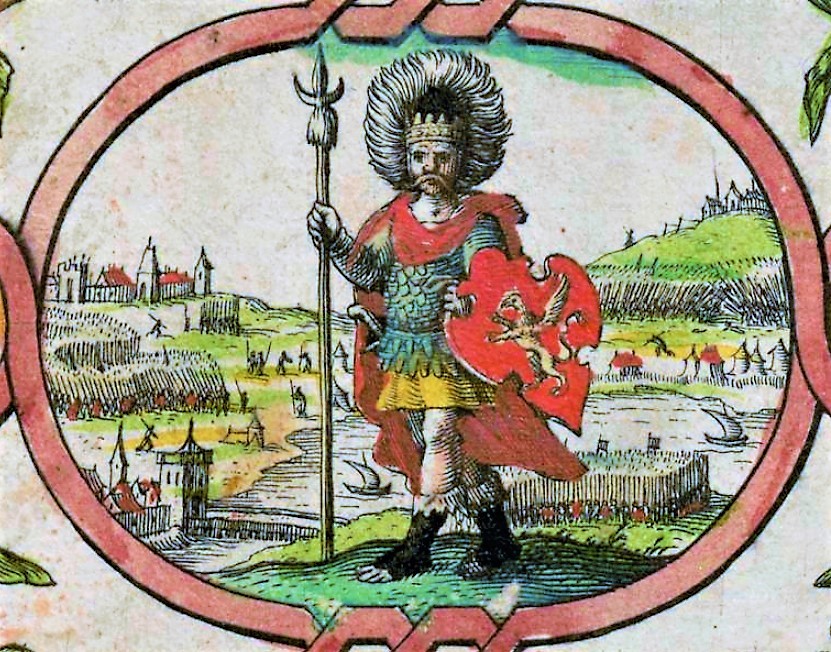
According to tradition, the West Saxons established a royal line in the sixth century. Over subsequent centuries Wessex expanded in power and influence. Notable rulers included early founders and later kings who consolidated authority. Under rulers such as Egbert and especially Alfred the Great in the late ninth century, Wessex resisted Viking invasions, reformed military and administrative systems, and promoted law and learning. These developments positioned Wessex as the nucleus for later English unification; kings descended from Wessex later claimed rule over other Anglo‑Saxon kingdoms.
Institutions, warfare and defence
Wessex developed regional institutions including earls, fortified towns and systems of military service. In response to Norse raids, leaders introduced organized burhs (fortified settlements), reorganized military levies and supported naval forces. Legal and administrative reforms strengthened royal authority and helped integrate conquered or allied territories. For a period after the conquest of England by Norse rulers and later redistribution of power, Wessex survived as an earldom until the Norman Conquest.
Culture, literature and later legacy
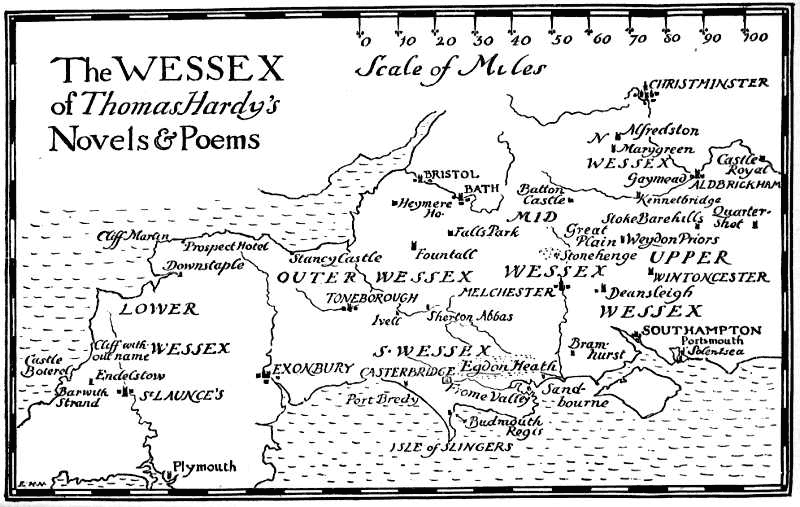
Beyond its medieval political importance, the name Wessex acquired further life in later centuries. The novelist Thomas Hardy adopted "Wessex" as a literary landscape for many of his novels and short stories, mapping fictional towns onto real locations in southwestern England; references to Hardy’s Wessex remain central to studies of regional English literature. In modern ceremonial and social usage the historical name has been revived occasionally as a cultural or administrative label.
Notable people and events
- Several Wessex earls and kings played central roles in the unification of English realms; later monarchs traced descent from Wessex dynasties.
- The last prominent pre‑Conquest holder of the earldom was Harold Godwinson, who had been Earl of Wessex before becoming king and dying at the Battle of Hastings in 1066.
- In the modern era, Prince Edward was granted the title Earl of Wessex on his marriage, reviving the historic name in a contemporary peerage.
Why Wessex matters
Wessex is important to the study of early medieval Britain because it illustrates how regional power, military adaptation and administrative reform can lead to wider political integration. Its cultural afterlife — from medieval chronicles to Victorian and modern literature — also shows how place names gain symbolic resonance beyond their original institutions. For readers exploring English origins, Wessex provides a clear example of a regional kingdom that helped transform a landscape of smaller polities into a more unified state.
For introductions and primary sources on the period, see general histories of the Anglo‑Saxon era and historical surveys that treat Wessex’s role in English formation. More detailed discussions of its rulers, law codes and military organisation remain active topics in medieval scholarship.
Anglo‑Saxon historical studies and surveys of England provide additional context for readers wishing to explore how Wessex fits into broader British history.
Related articles
Author
AlegsaOnline.com Wessex: Anglo‑Saxon Kingdom and Cultural Region Leandro Alegsa
URL: https://en.alegsaonline.com/art/107322