
Harold Godwinson (Harold II) — last Anglo-Saxon king of England
King Harold II (c.1022–1066), last Anglo-Saxon ruler of England. Rise as an earl, brief reign in 1066, defeat at Hastings and the resulting Norman conquest. Legacy and historical debate.
Overview
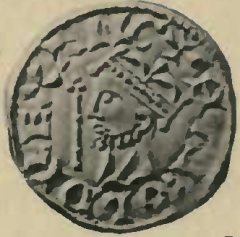
Harold Godwinson, often called King Harold II, was the last crowned Anglo-Saxon king of England. Born around 1022, he succeeded King Edward the Confessor and reigned from 5 January 1066 until his death on 14 October 1066. His short rule ended in military defeat and political change that reshaped English government, society, and landholding.
Image gallery
10 Images



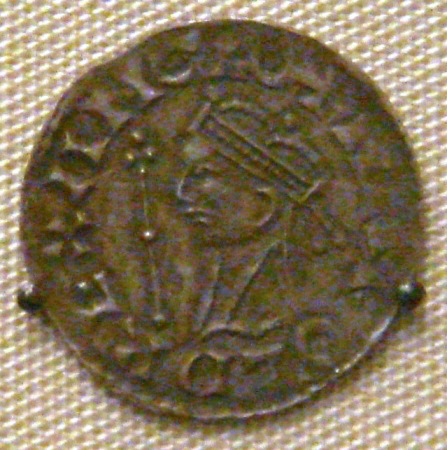

Background and rise to power
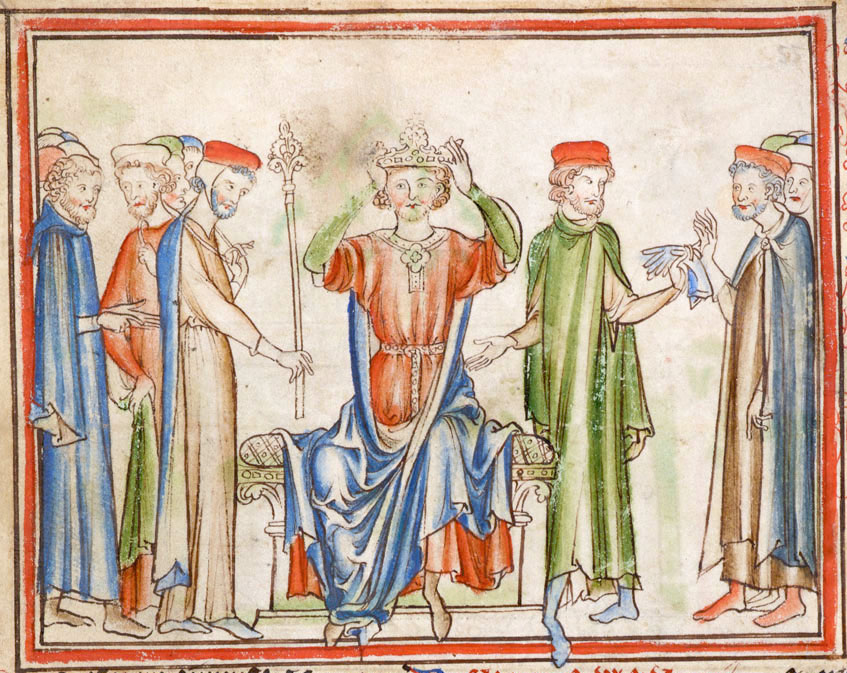
Harold came from the powerful Godwin family, which dominated southern and central England in the mid-11th century. As Earl of Wessex and leader of a broad network of supporters, he exercised great influence under previous monarchs. His position, family ties and political skill helped secure his election as king by the English nobility after Edward's death. That election was contested by rival claimants and would prove pivotal for the events of 1066.
1066: invasions and military campaign
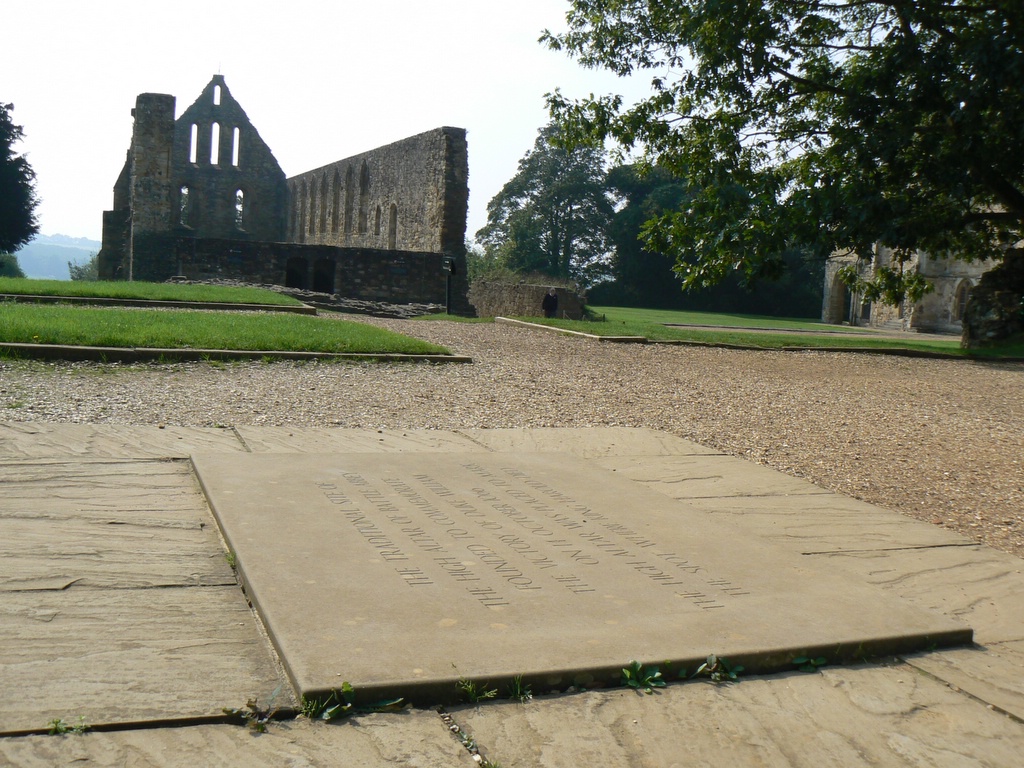
Harold's reign was dominated by the challenge of multiple invasions. In the north, an expedition by Harald Hardrada of Norway, allied with Harold's estranged brother Tostig, threatened the kingdom. Harold defeated them at the battle of Stamford Bridge in September 1066, but the victory left his forces tired. Within weeks William of Normandy launched an invasion from the south. Harold marched his army rapidly and met William in battle near Hastings. He was killed there on 14 October 1066 at the Battle of Hastings, a confrontation that decided the fate of the English crown.
Death, consequences and legacy
Harold's death led directly to the success of the Norman invasion. William secured the throne, initiating the Norman conquest of England, a process that brought Norman political institutions, land redistribution and cultural influences. The conquest is conventionally seen as the end of Anglo-Saxon England and the start of a new ruling elite, although many aspects of English law and local customs persisted and adapted over time.
Sources, controversies and notable facts
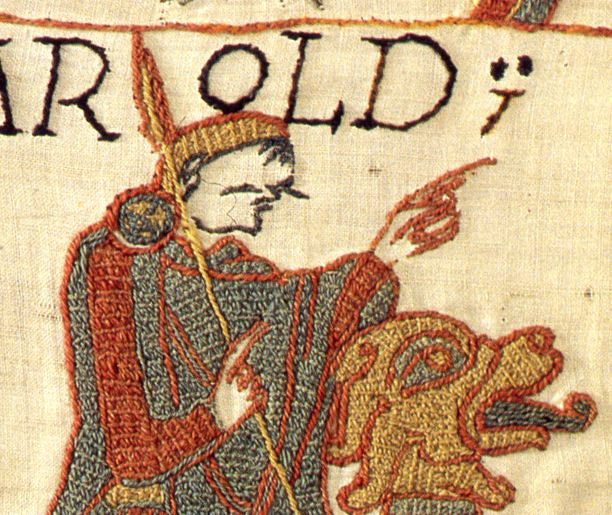
Contemporary accounts of Harold and 1066 come from varied and sometimes conflicting sources: the Anglo-Saxon Chronicle, Norman chronicles, and the visual narrative of the Bayeux Tapestry. Tradition shows Harold struck by an arrow to the eye during the battle, an image from the tapestry and later storytelling, but exact details of his death remain debated by historians. Claims about the legitimacy of competing successors — whether Edward had promised the throne to William or whether Harold's election was lawful — are also subjects of scholarly discussion rather than settled fact.
Key dates and quick facts
- Born: c.1022 (date uncertain)
- Became king: 5 January 1066
- Died: 14 October 1066, at the Battle of Hastings
- Significance: last Anglo-Saxon king; his death led to Norman takeover
Harold remains a focal figure in English history: a powerful noble who briefly held kingship at a turning point between two eras. Understanding his life helps illuminate the political dynamics of 11th-century England and the wide-reaching consequences of 1066 for English language, law and aristocratic structure.
Questions and answers
Q: Who was Harold Godwinson?
A: Harold Godwinson was the King of England after the death of King Edward the Confessor.
Q: When did Harold Godwinson rule England?
A: Harold Godwinson ruled England from 5 January 1066 until he was killed at the Battle of Hastings.
Q: What was the significance of Harold Godwinson's death?
A: Harold Godwinson's death marked the end of Anglo-Saxon England and the beginning of the Norman Conquest of England.
Q: How long did Harold Godwinson rule England?
A: Harold Godwinson ruled England for less than a year, from 5 January 1066 until his death.
Q: Who succeeded Harold Godwinson as King of England?
A: William the Conqueror succeeded Harold Godwinson as King of England after the Norman conquest.
Q: What led to the Norman conquest of England?
A: The Norman conquest of England was led by William the Conqueror, who claimed that he had been promised the English throne by Harold's predecessor, Edward the Confessor.
Q: When did Harold Godwinson die?
A: Harold Godwinson died on 14 October 1066 at the Battle of Hastings.
Related articles
Author
AlegsaOnline.com Harold Godwinson (Harold II) — last Anglo-Saxon king of England Leandro Alegsa
URL: https://en.alegsaonline.com/art/120329