
Washington Irving (1783–1859)
American writer and diplomat Washington Irving wrote Rip Van Winkle and The Legend of Sleepy Hollow; he produced biographies, promoted American letters, and served as U.S. minister to Spain.
Overview
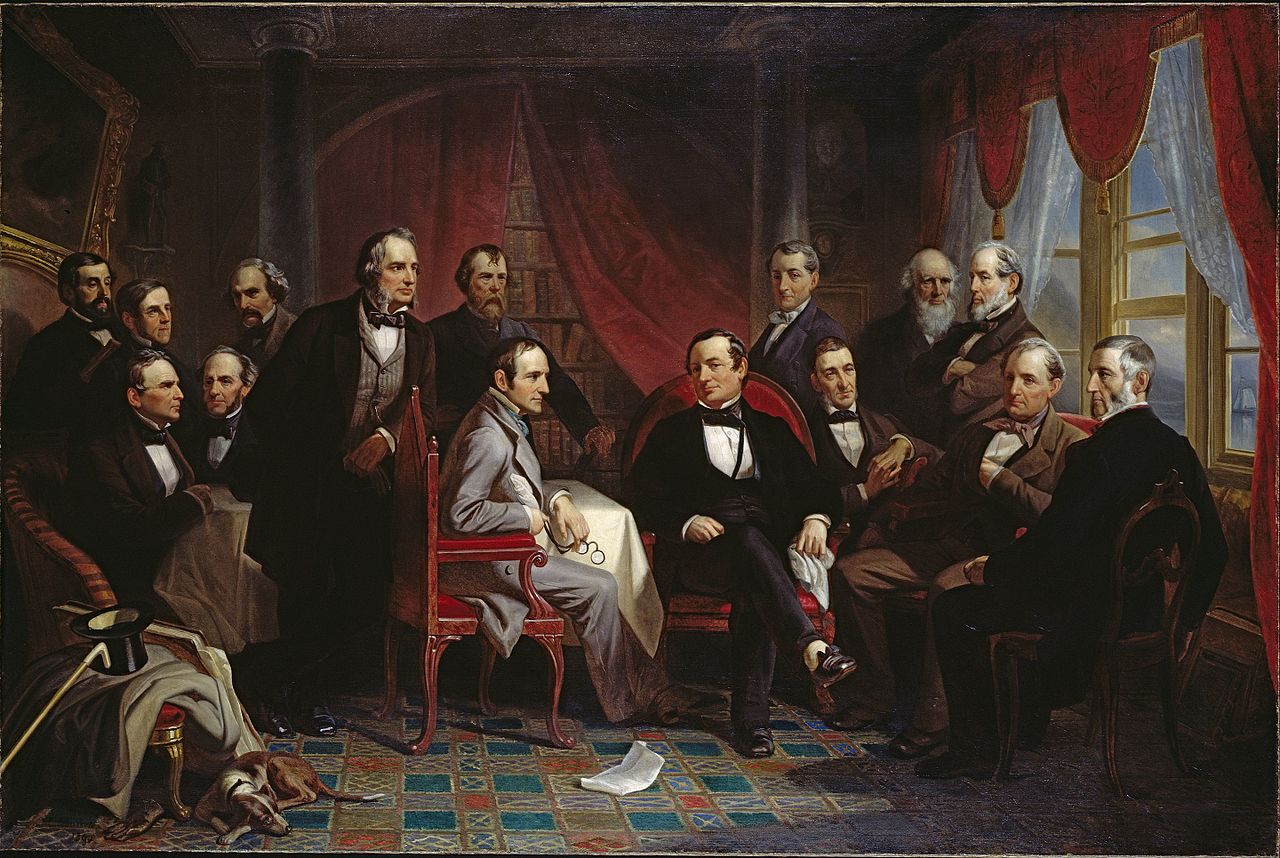
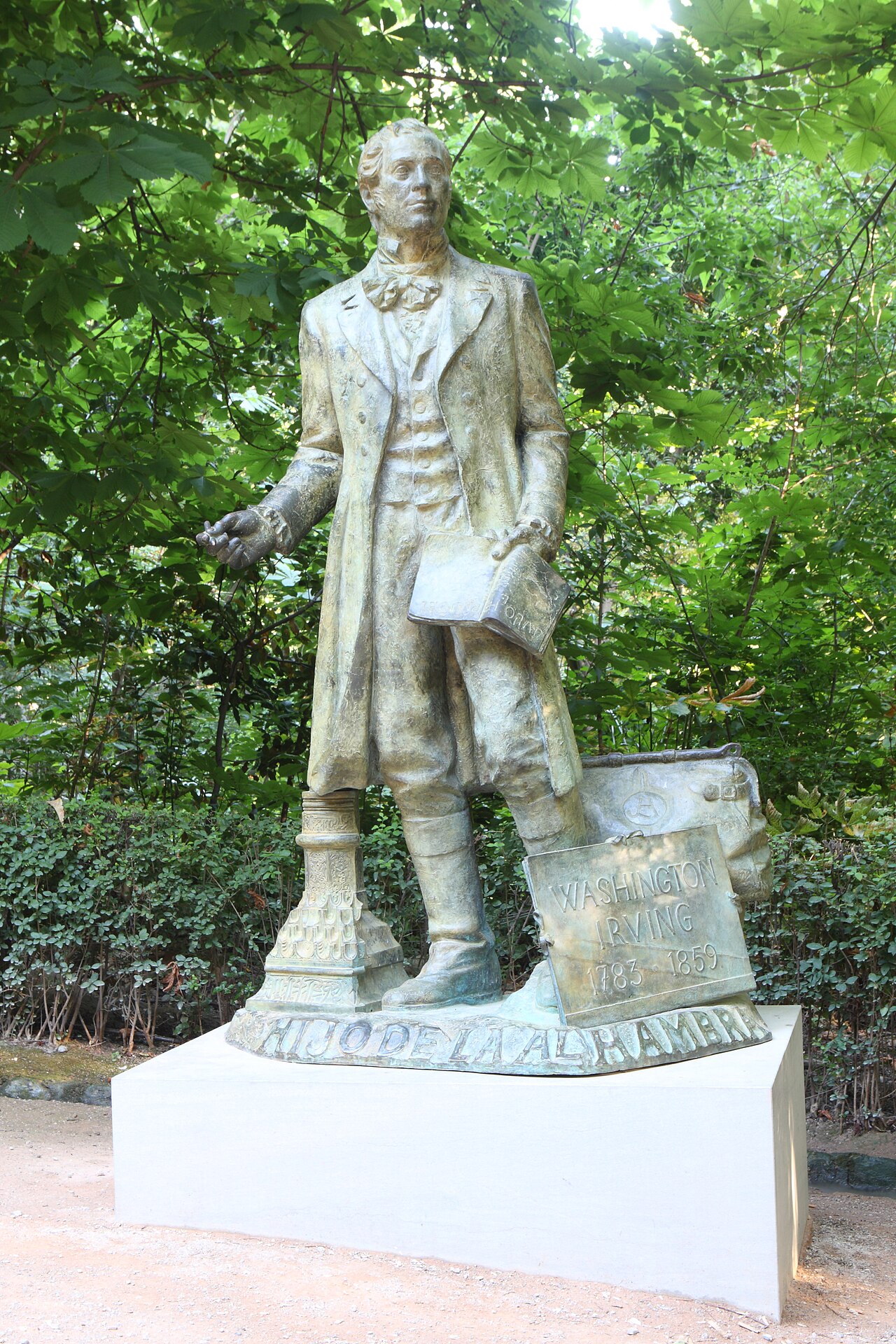
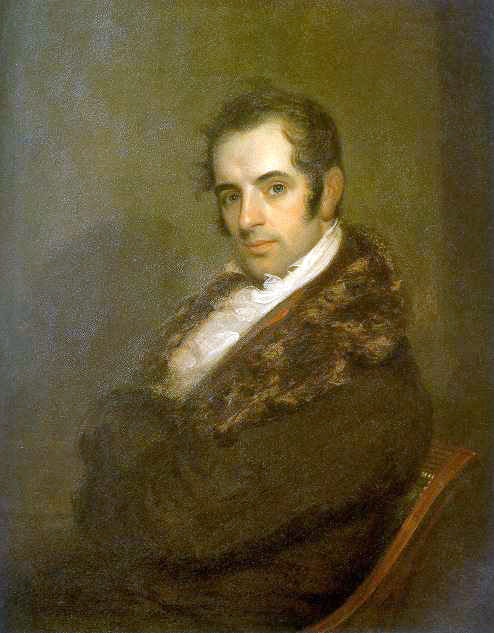
Washington Irving was an American writer and man of letters born in New York City on April 3, 1783. He gained international recognition for short fiction, historical writing, and travel accounts, and he played a formative role in shaping early 19th-century American literature. Irving combined patriotic interest in early American life with a cosmopolitan literary sensibility developed during long stays abroad.
Image gallery
10 Images



Major works and style
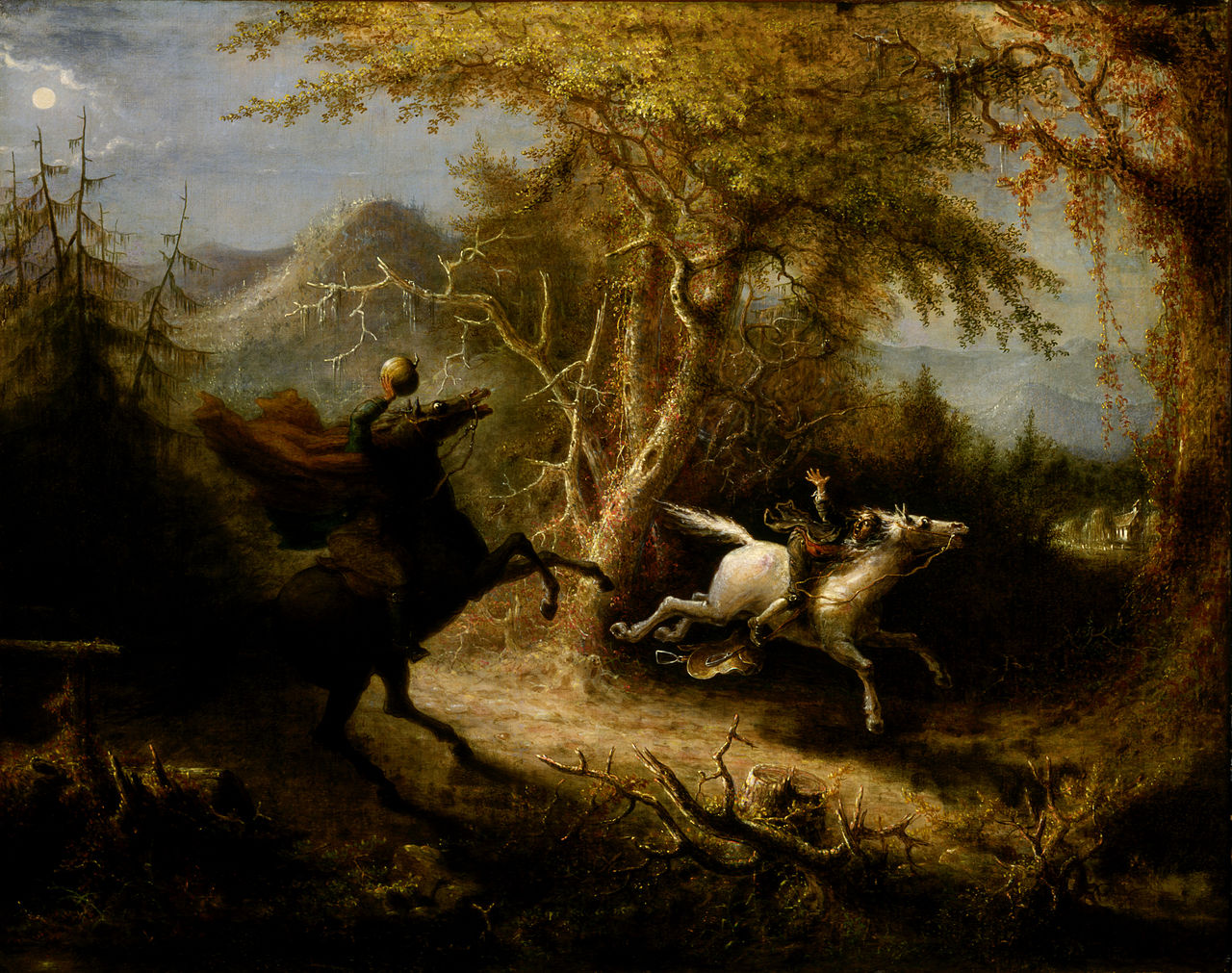
Irving’s fiction often blends humor, folklore, and gentle satire. He is best remembered for two short pieces that entered popular culture: "Rip Van Winkle" and "The Legend of Sleepy Hollow". These stories helped establish the short story as a literary form in the United States and drew on local legend and landscape to create memorable characters and scenes. In addition to fiction, Irving wrote essays, travel sketches, and biographies, demonstrating a range that included literary portraits and historical narrative.
Life and career
Irving began his public career producing humorous sketches for newspapers and editing magazines. As a young man he traveled to Europe, where he lived for extended periods and forged connections with British and continental writers. He returned to the United States intermittently but spent about seventeen years abroad, during which he refined his style and built a reputation overseas. Later in life he served as the United States ambassador to Spain from 1842 to 1846. His multi-volume five-volume life of George Washington was a major scholarly undertaking that he regarded as one of his most important achievements.
Legacy and influence
Alongside contemporaries such as James Fenimore Cooper, Irving was among the first American authors to achieve sustained international acclaim. He advocated for American writers, promoted stronger copyright laws, and helped create a market for American subjects in literature. His stories have been adapted extensively for the stage, television, animated features and live-action movies, ensuring their place in popular culture beyond the printed page.
Examples and notable facts
- Irving’s short pieces and sketches exemplify early American use of local lore; his best-known short stories draw on Dutch-American and Hudson Valley traditions.
- He spent long stretches living in Europe, where his taste and connections influenced his writing and reputation (Europe).
- In public service he held the diplomatic post of United States ambassador to Spain, combining literary and official careers.
- Places and institutions have honored him: for example, the Chicago community area named Irving Park commemorates his cultural legacy.
Irving died at his estate Sunnyside in Tarrytown, New York, on November 28, 1859. His work remains a touchstone in American letters: it bridges early national literary ambitions and the popular imagination, preserving regional stories while engaging an international readership.
Related articles
Author
AlegsaOnline.com Washington Irving (1783–1859) Leandro Alegsa
URL: https://en.alegsaonline.com/art/106707