
Rip Van Winkle — Washington Irving's short story
Encyclopedia entry on Washington Irving's 'Rip Van Winkle': publication, plot, themes, origins, narrative style, adaptations, reception, and its place in early American literature.
Overview
Rip Van Winkle is a short story by Washington Irving first published in 1819 in The Sketch Book of Geoffrey Crayon, Gent. Set in the Catskill Mountains, it tells of a amiable but idle villager, Rip, who falls asleep after an encounter with mysterious strangers and wakes years later to find his village changed. Irving frames the tale with the persona of Geoffrey Crayon and uses a folktale tone that helped the story gain quick popularity on both sides of the Atlantic.
Image gallery
8 Images
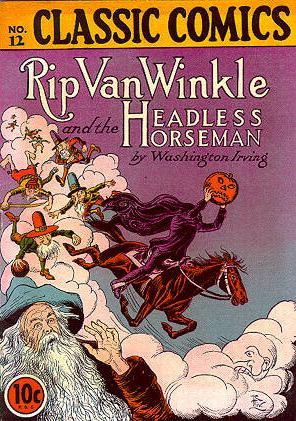


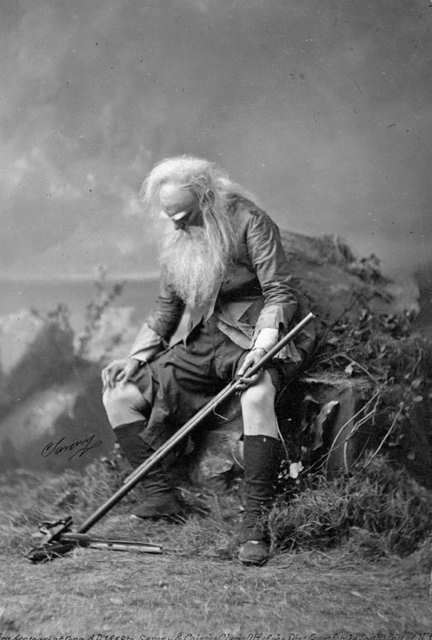
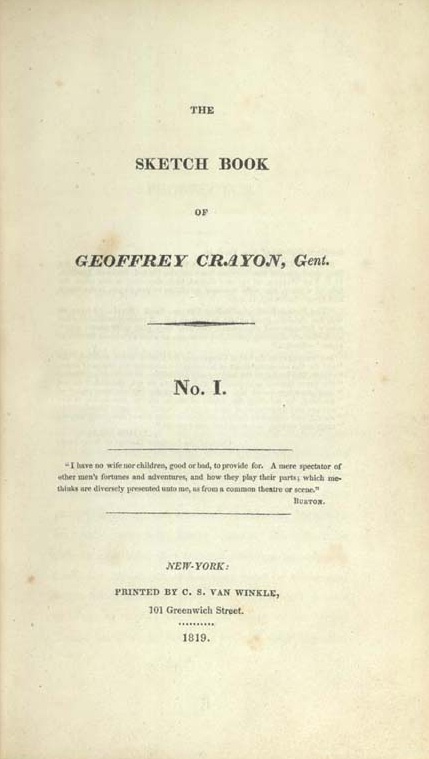
Plot and characters
The narrative follows Rip Van Winkle, a good‑natured man more interested in wandering the countryside than in tending his farm. Pressured at home by his wife, Dame Van Winkle, Rip escapes to the hills where he meets silent, uncanny figures playing ninepins. After drinking their liquor, he sleeps and wakes to discover that decades have passed: his beard is long, his daughter is grown, his wife is dead, and the village reflects political and social changes since the American Revolution. Other recurring characters include Judith, Rip’s daughter, and the former town patriarch Nicholas Vedder.
Themes and style
- Time and change: the central conceit dramatizes personal and national transformation, contrasting pre‑ and post‑Revolutionary life.
- Folklore and legend: Irving adopts oral storytelling devices and ambiguous supernatural elements, leaving the cause of Rip’s sleep open to interpretation.
- Satire of domestic life: gentle humor and domestic comedy critique small‑town manners and marital friction.
- National identity: the tale blends European folktale motifs with American settings to reflect on emerging American culture.
Origins and publication
Irving wrote the story while living in England and included it among other pieces attributed to his fictional narrator, Geoffrey Crayon. He reportedly read it aloud while staying with relatives in Birmingham. Scholars note influences from European folktales — scholars often point to German stories with similar elements — but Irving reshaped these to an American context. The Sketch Book, published in 1819, brought Irving international attention and helped introduce an American literary voice to British readers.
Reception and legacy
From its first appearance the story became one of Irving’s best known works. Its memorable premise and vivid setting made Rip Van Winkle an enduring figure in American culture; the name has entered common usage to describe someone oblivious to change. Literary critics have treated the tale both as a charming folktale and as a layered meditation on history, memory, and identity.
Adaptations and influence
The simplicity and visual appeal of the narrative encouraged many adaptations. Stage productions, nineteenth‑century tableaux, silent films, animated cartoons, radio dramatizations, and television versions have all reinterpreted the story. Modern retellings continue to explore its themes in different cultural and temporal settings.
For readers wishing to consult the text or to learn more about the author, see an edition of the story: Read Rip Van Winkle, and a brief author biography: About Washington Irving.
Questions and answers
Q: Who is the author of "Rip Van Winkle"?
A: The author of "Rip Van Winkle" is Washington Irving.
Q: What book was "Rip Van Winkle" first published in?
A: "Rip Van Winkle" was first published in Irving's The Sketch Book of Geoffrey Crayon, Gent.
Q: When was "Rip Van Winkle" first published?
A: "Rip Van Winkle" was first published in June 1819.
Q: Where was Washington Irving when he wrote "Rip Van Winkle"?
A: Washington Irving was staying with his sister's family in Birmingham, England when he wrote "Rip Van Winkle".
Q: Who did Irving read "Rip Van Winkle" to the morning after he wrote it?
A: Irving read "Rip Van Winkle" to his hosts at breakfast the next morning.
Q: What is a German story that "Rip Van Winkle" is similar to?
A: "Rip Van Winkle" is similar to a German story called "Karl Katz".
Q: How has "Rip Van Winkle" been adapted over the years?
A: "Rip Van Winkle" has been adapted to theater, cartoons, television, and other media many times.
Related articles
Author
AlegsaOnline.com Rip Van Winkle — Washington Irving's short story Leandro Alegsa
URL: https://en.alegsaonline.com/art/83028