
Wachau: Danube valley cultural landscape in Lower Austria
The Wachau is a roughly 40 km stretch of the Danube in Lower Austria, celebrated for terraced vineyards, apricots, medieval towns, historic monuments and its UNESCO World Heritage cultural landscape status.
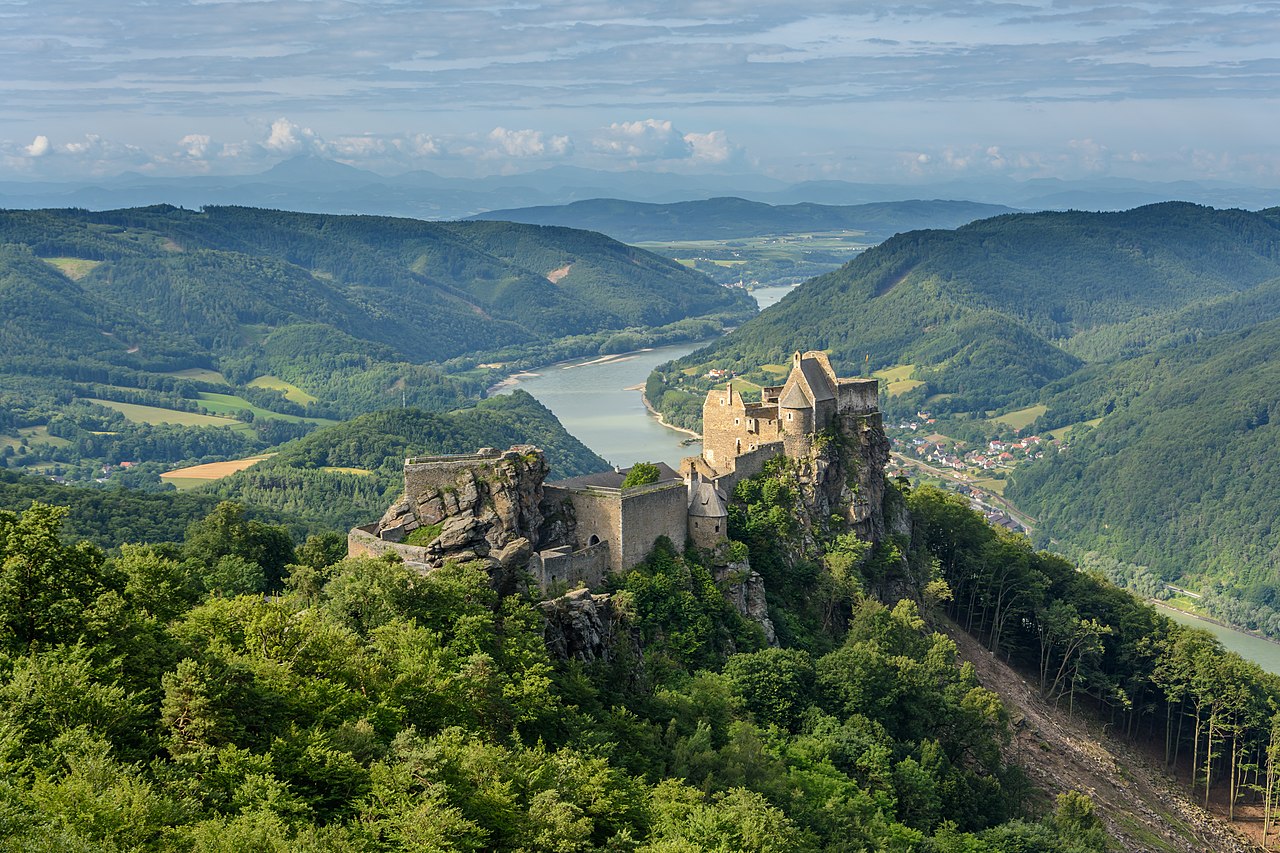
The Wachau is a scenic river valley in Austria, shaped by the flow of the Danube and stretching for about 40 kilometres between the towns of Melk and Krems in Lower Austria. The corridor presents a layered view of landscape and settlement: steep, terraced slopes, a populated river plain and a string of small historic towns and villages. This interplay of natural features and human management is central to the valley's identity.
Image gallery
10 Images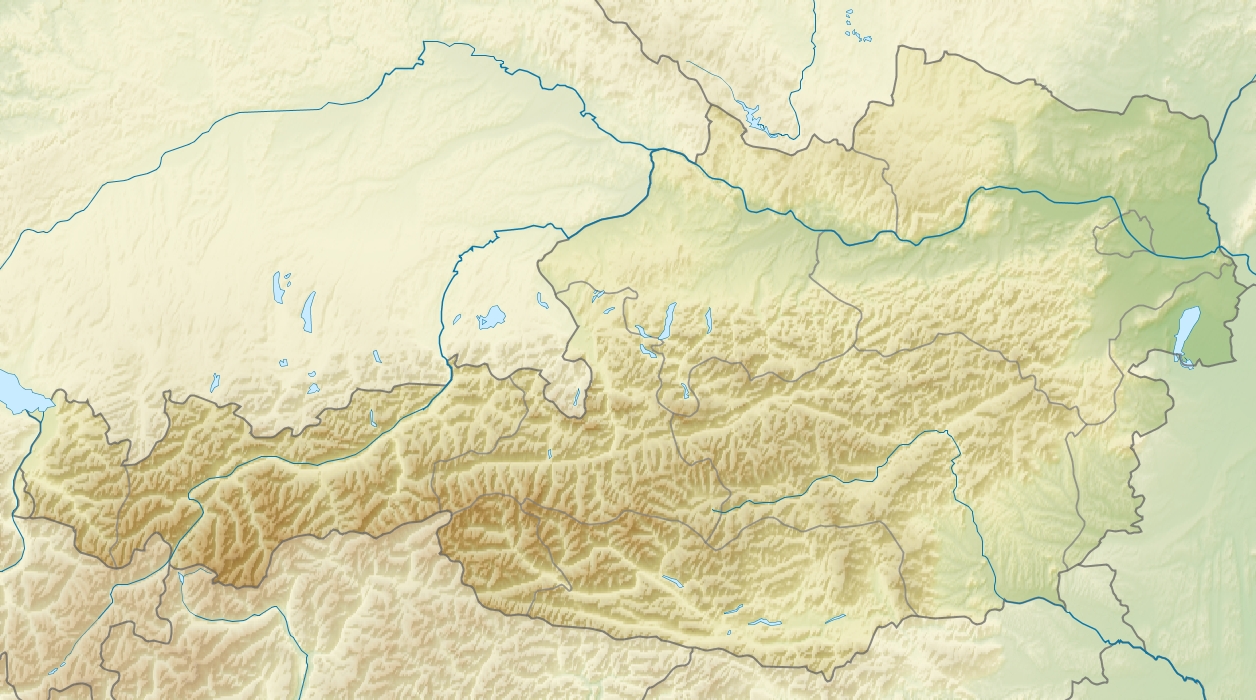



Landscape and agriculture
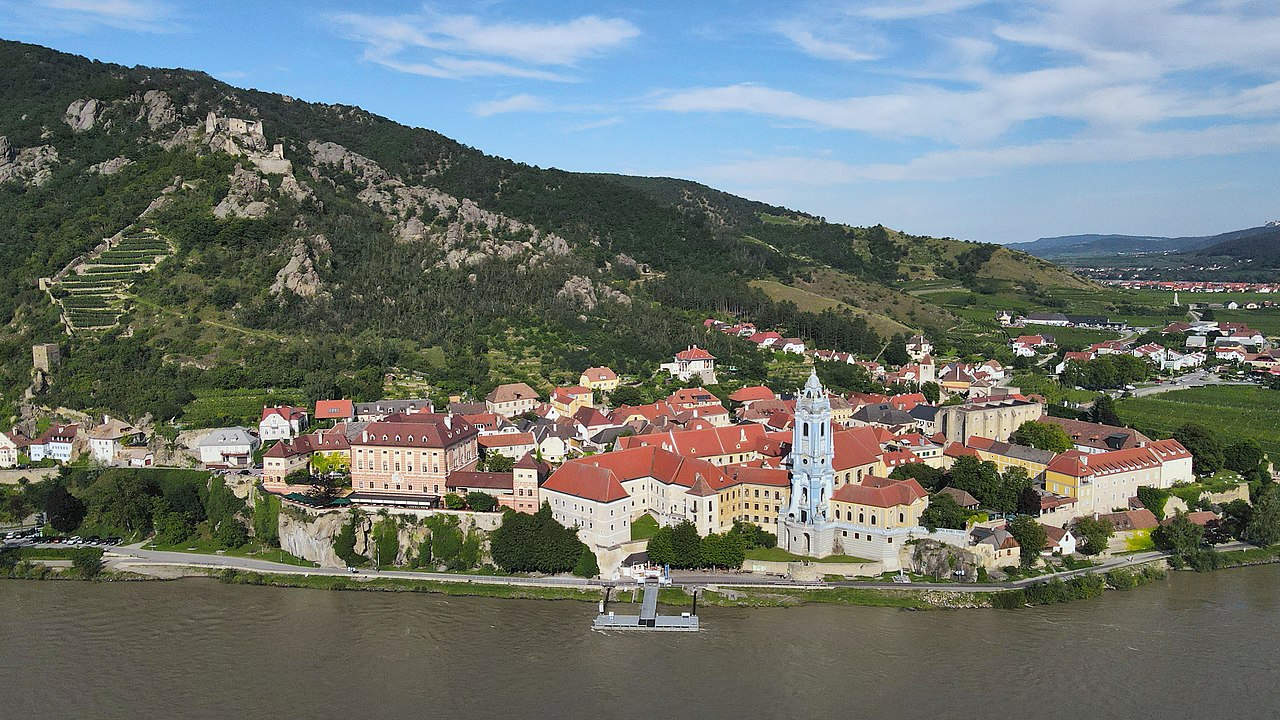
Vineyards cling to sun-exposed terraces carved into the slopes; these terraces, together with narrow plots and stone walls, reflect long-standing agricultural practices. The Wachau is particularly noted for white wines, commonly Grüner Veltliner and Riesling, and for the cultivation of apricots (locally called "marillen"). Traditional viticulture and fruit growing continue to shape both the economy and the visible character of the valley.
History, monuments and architecture
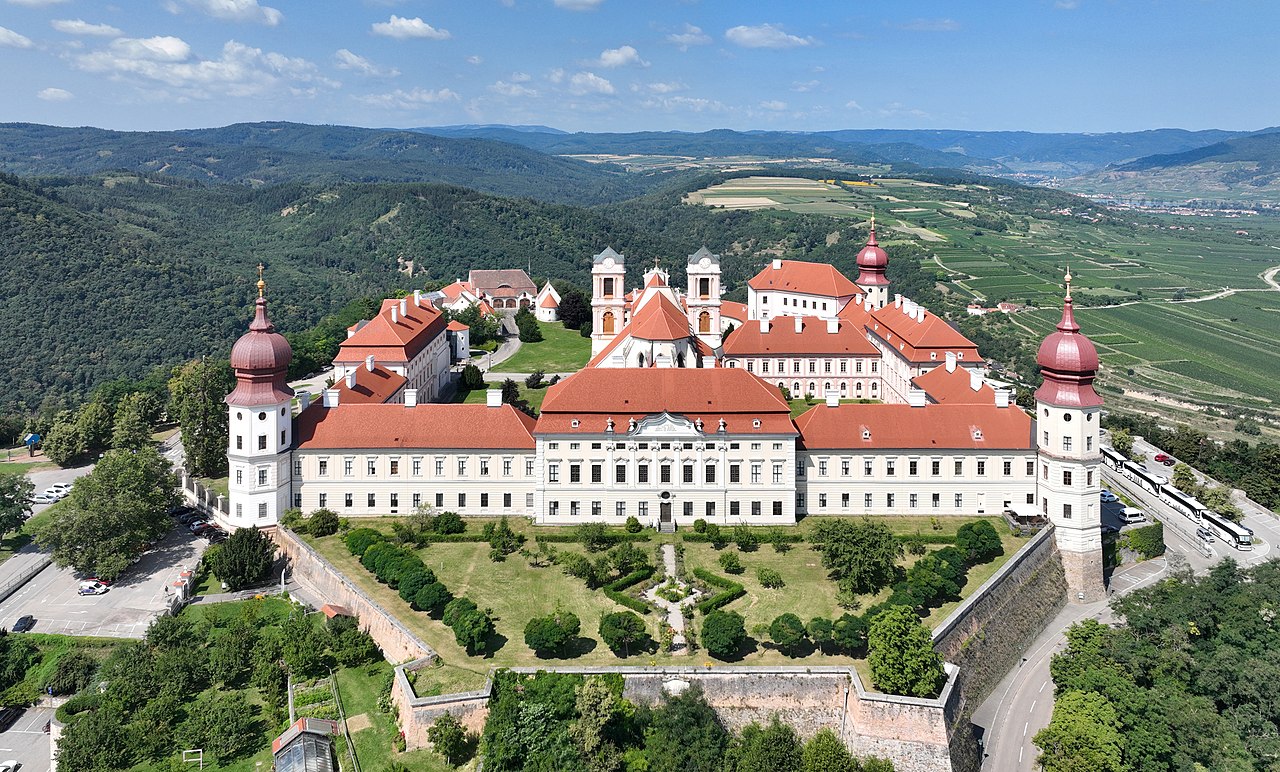
Human presence in the Wachau goes back to prehistoric times and remains of successive eras are visible in the archaeological and built record. During the medieval period many castles, fortifications and monasteries were established. The ruins above Dürnstein are well known: the site is tied to the episode in which Richard the Lionheart of England was held in captivity by Duke Leopold V. Melk Abbey is a dominant baroque monastery that illustrates the valley's rich architectural heritage; smaller parish churches, townhouses and rural buildings contribute to a varied historic fabric.
Conservation and recognition
Because the Wachau exemplifies the long-term interaction between people and their environment it was inscribed by UNESCO on the list of World Heritage cultural landscapes. The designation recognises both monuments and traditional land-use systems: terracing, vineyard management and village patterns that together maintain biodiversity, scenic quality and cultural continuity. Management efforts aim to balance tourism, agriculture and heritage protection.
Visiting and activities
Today the valley is a popular destination for river cruises, hiking, cycling along the Danube route and wine tourism. Typical activities and attractions include:
- Historic sites such as Melk Abbey, Dürnstein Castle and medieval town centres;
- Tastings and farm products, notably wines and apricot specialties;
- Outdoor pursuits: vineyard walks, riverside promenades and organised cultural events tied to the seasons and harvest.
The Wachau remains significant as a living cultural landscape where traditional farming techniques, local gastronomy and preserved architecture continue to shape a recognisable Central European river valley. Visitors and scholars alike study it as an example of how human activity and riverscape can form a durable and protected heritage area.
Related articles
Author
AlegsaOnline.com Wachau: Danube valley cultural landscape in Lower Austria Leandro Alegsa
URL: https://en.alegsaonline.com/art/106082
Sources
- whc.unesco.org : "Wachau Cultural Landscape"
- whc.unesco.org : "United Nations Educational, Scientific And Cultural Organization Convention Concerning The Protection Of The World Cultural And Natural Heritage, World Heritage Committee:Twenty-fourth session, Cairns, Australia:27 November – 2 December 2000: Report"