
Richard I of England (Richard the Lionheart)
King of England (1157–1199), famed crusader and military leader known as Richard the Lionheart; notable for his campaigns in the Third Crusade, brief residence in England, dramatic capture and ransom, and burial traditions.
Overview
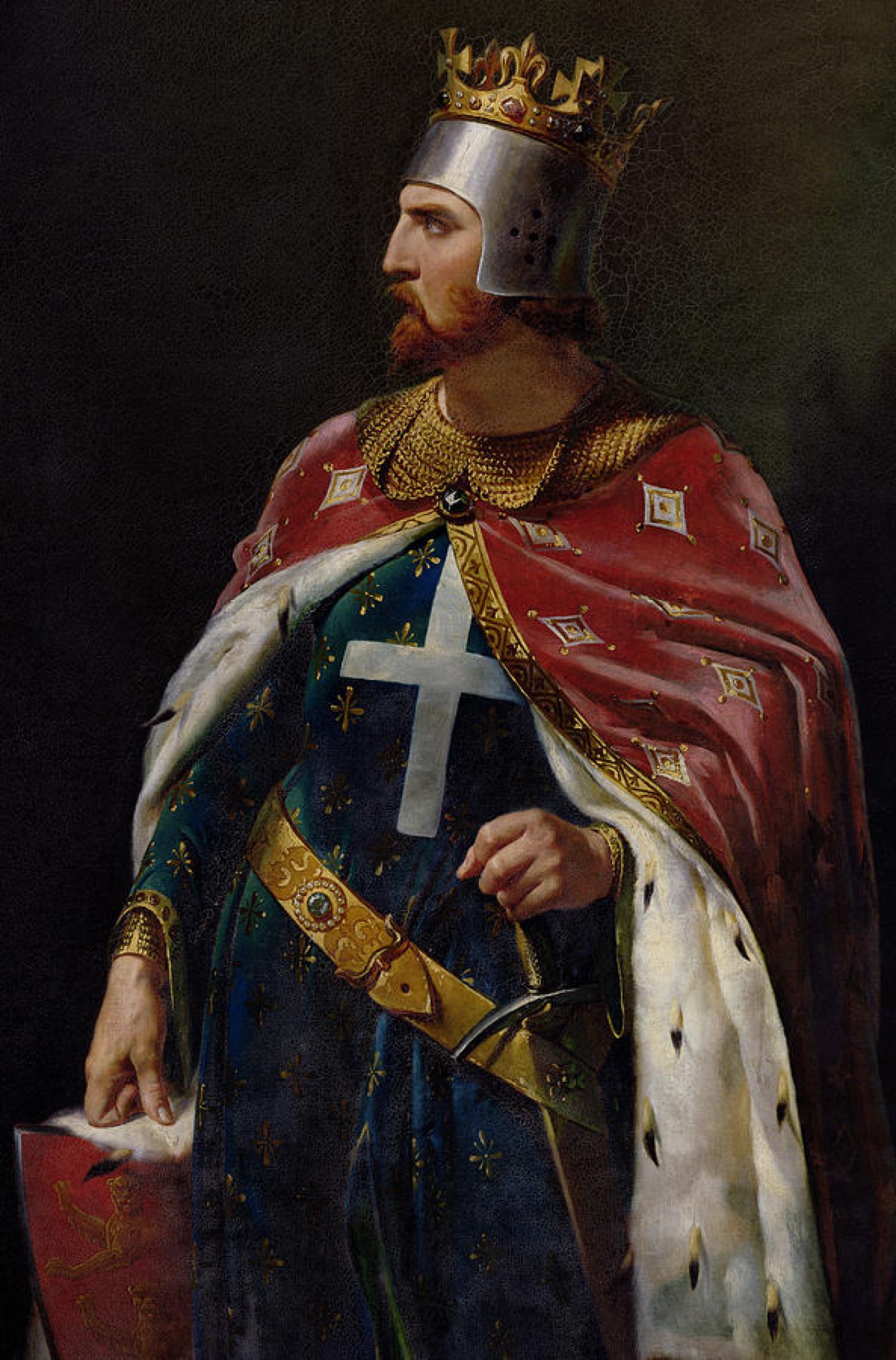
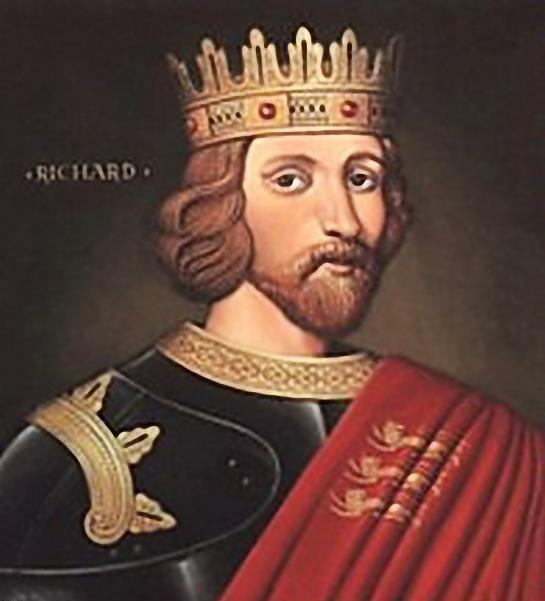
Richard I (1157–1199), commonly called Richard the Lionheart, was the king of England from 1189 until his death. He earned a reputation as a skilled military commander and charismatic medieval monarch, though his reign was dominated by warfare abroad rather than domestic governance. His life combined feudal politics, crusading zeal and dynastic pressures.
Image gallery
10 Images


Origins and titles
Born to Henry II and Eleanor of Aquitaine, Richard was not originally expected to inherit the crown; as a younger son he might have been bypassed in succession (inherit), but circumstances and family arrangements placed him on the throne. In youth he was described as a replacement child within dynastic plans and received the title Duke of Aquitaine at an early age, where he began to build his martial and administrative experience.
Military career and the Third Crusade
Richard’s fame rests largely on his role in the Third Crusade against Saladin. En route to the Levant he led operations in the Mediterranean, taking control of parts of Sicily and seizing the island of Cyprus, which became a strategic base. In the Holy Land he participated in major actions such as the siege of Acre and the field victory at Arsuf, and he negotiated with Muslim leaders while failing to recover Jerusalem itself. The crusade demonstrated his tactical skill but also the limits of crusading politics.
Capture, ransom and return
On his return from the eastern Mediterranean Richard was taken prisoner by Duke Leopold of Austria and later handed over to the Holy Roman Emperor. His detention forced the kingdom to raise a substantial ransom for his freedom, a burden felt across his dominions. Despite his renown for personal courage, including being wounded by a crossbow bolt while besieging a castle, much of his reign was spent outside England or on campaign in continental territories such as Limousin.
Death, burial and posthumous inquiry
Richard died in 1199 after the wound at Limousin became grievously infected. His body was buried at Fontevraud Abbey in France, while his internal organs were interred near the place of his fatal injury at Limoges. His heart was buried separately at the cathedral in Rouen. Centuries later historians and scientists tested surviving material for poisons because a medieval tale suggested he fell to a poisoned arrow, though modern study supports death from gangrene or septic infection stemming from the wound rather than deliberate poisoning.
Succession and legacy
With no legitimate heir, Richard was succeeded by his younger brother John. Richard’s reputation as the Lionheart has endured in literature and popular memory: he is often celebrated for battlefield daring and crusading fervor but also criticized for neglecting English governance and accruing high costs through warfare and ransom. His life illustrates the tensions of medieval kingship, where dynastic expectation, martial honor and the economics of rule shaped a monarch’s choices and posterity.
- Key themes: crusading, medieval kingship, continental possessions, burial rites.
- Further study: military campaigns, diplomatic correspondence and contemporary chronicles provide deeper context.
Questions and answers
Q: Who was Richard I of England?
A: Richard I of England was the king of England from 1189 to 1199. He is sometimes called Richard the Lionheart.
Q: What was his relationship to Henry II and Eleanor of Aquitaine?
A: Richard I of England was the son of Henry II of England and Eleanor of Aquitaine.
Q: What did he do during the Third Crusade against Saladin?
A: During the Third Crusade against Saladin, Richard conquered Sicily and Cyprus, fought in the Battle of Acre and the Battle of Arsuf, but ultimately failed to win back Jerusalem from the Muslims.
Q: How did King Richard die?
A: King Richard died after being shot with a crossbow while besieging a castle in Limousin. It is likely that he died from gangrene or septicaemia caused by his arrow wound, rather than poison as one medieval story claimed.
Q: Where were King Richards remains buried?
A: King Richards body was buried at Fontevraud Abbey near Saumur in France, with his father and mother; his internal organs were buried at Châlus near Limoges in central France; and his heart was buried in Notre Dame Cathedral at Rouen.
Q: When did scientists examine King Richards heart? A: Scientists examined King Richards heart in 2012.
Author
AlegsaOnline.com Richard I of England (Richard the Lionheart) Leandro Alegsa
URL: https://en.alegsaonline.com/art/129509