
Wadi: seasonal riverbeds and dry valleys of arid landscapes
A wadi is an intermittent valley or riverbed in dry regions. This article explains formation, characteristics, ecological and human importance, hazards from flash floods, and terminology differences.
Overview
A wadi is a landform common in arid and semi‑arid regions: a valley or channel that is usually dry but can carry water briefly after rainfall. The term originally comes from Arabic and describes the kind of valley often found on the margins of deserts. In usage, a wadi is commonly equated with a valley or seasonal stream channel in northern Africa, the Middle East, and similar climates worldwide.
Image gallery
10 Images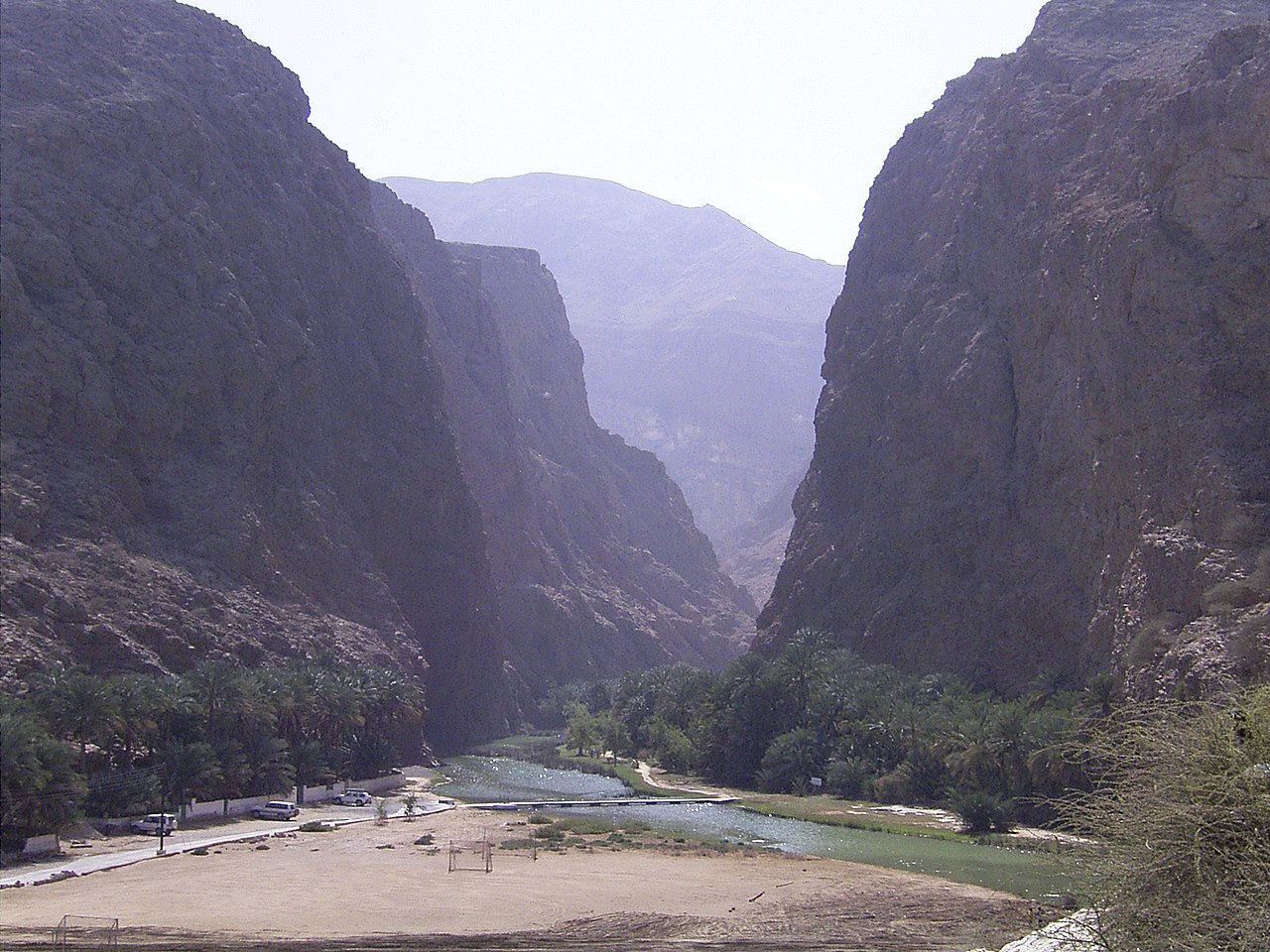


Characteristics and components
Wadis are defined by intermittent flow and distinct geomorphology. Many feature steep walls, a flat bed of sand or gravel, and occasional pools. The dry floor may be braided with small channels, and the bed acts as a temporary conduit for runoff or a shallow watercourse. When rain arrives, the previously dry riverbed may fill rapidly; in some places small ponds or groundwater seeps persist seasonally, supporting local vegetation and wildlife.
Formation and history
Wadis form by erosion from episodic water flow. Intense, short‑lived storms concentrate runoff into channels that cut into the landscape, transporting sediment and carving incised valleys over long periods. Archaeological and historical evidence shows that many wadis were once routes for people and animals and sometimes sites for settlements where water could be collected.
Uses, ecology and examples
Wadis play several practical and ecological roles. They can act as natural corridors for plants and animals and as locations for farming where groundwater or seasonal pools allow cultivation. Local communities have long practiced water harvesting and grazing near wadis. During the wet season, a wadi temporarily becomes a source of seasonal water, supporting birds, amphibians and riparian plants.
Hazards and safety
Despite appearing calm when dry, wadis can be dangerous because flows respond quickly to distant storms. A sudden storm or even heavy rain upstream can produce a fast-moving wall of water and debris many kilometers downstream. Flash flooding presents a real risk to people, livestock and vehicles; authorities often warn against camping or crossing wadis during storm season. The potential for danger to life makes awareness and caution essential.
Terminology and distinctions
Different regions use varied words for similar features: in parts of the United States the term arroyo or wash is common, while elsewhere the feature may be called a canyon or dry gulch. 'Wadi' remains the standard term in Arabic‑speaking areas and is increasingly used in scientific and popular descriptions of ephemeral river systems worldwide.
- Key traits: intermittent flow, sediment transport, steep or incised beds.
- Importance: ecological refuges, water harvesting, travel corridors, and geological records.
- Safety: avoid dry channels during storms; heed local advisories.
Related articles
Author
AlegsaOnline.com Wadi: seasonal riverbeds and dry valleys of arid landscapes Leandro Alegsa
URL: https://en.alegsaonline.com/art/106105