
Vinegar: composition, production, types, uses and history
Vinegar is an aqueous solution of acetic acid produced by oxidizing ethanol. Used for cooking, preservation and cleaning, it appears in many traditional and industrial forms worldwide.
Vinegar is a sour-tasting liquid produced when ethanol is partly oxidized to acetic acid. Its basic components are water and acetic acid, together with trace flavor compounds derived from the starting material. Traditionally used as a condiment and preservative, vinegar also serves many practical roles in household and industrial settings. Scientific and culinary descriptions of vinegar emphasize its acidity, flavor profile and origins from fermented alcohols.
Image gallery
9 Images


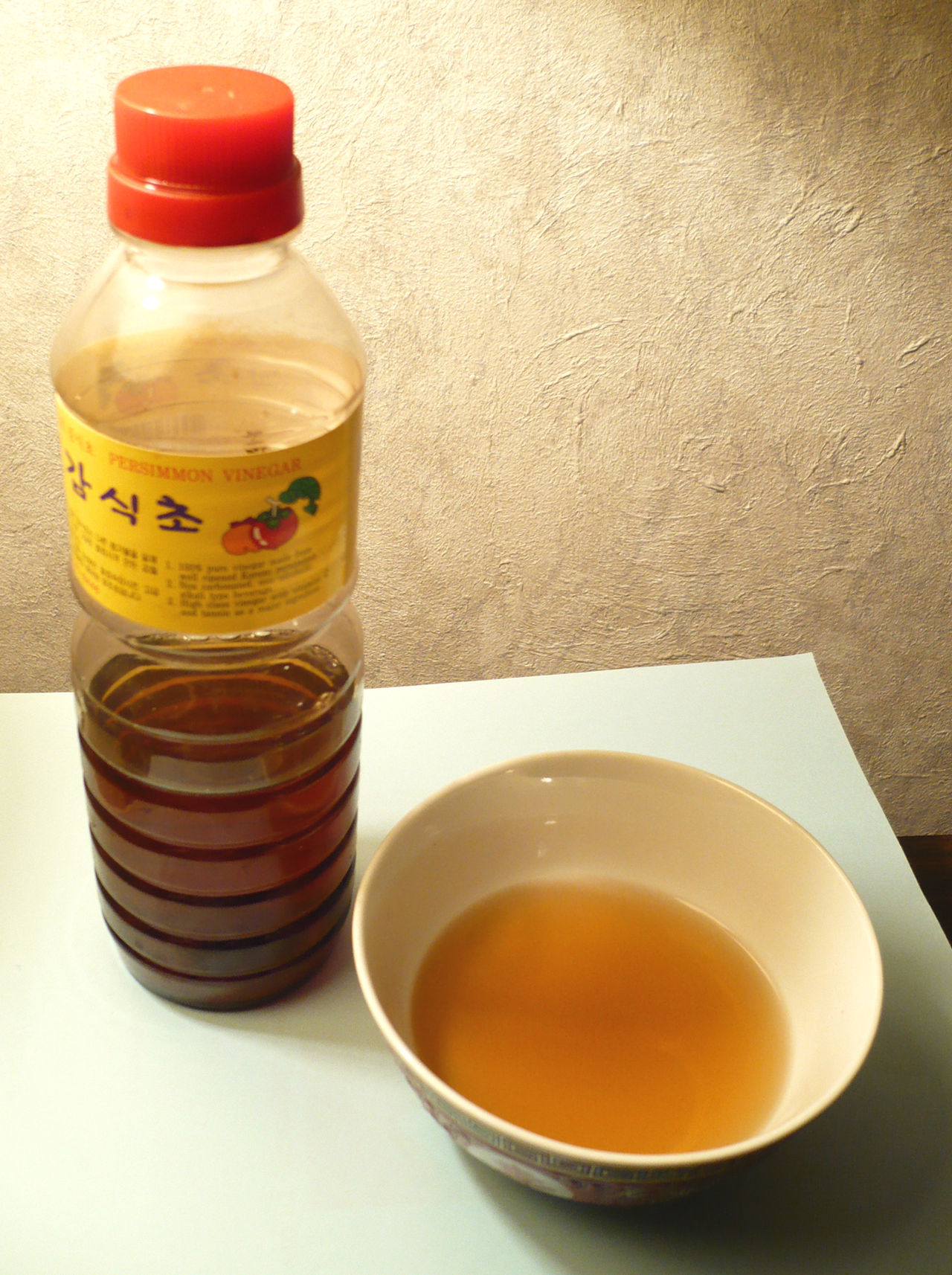


Chemistry and characteristics
The defining chemical in vinegar is acetic acid, an organic acid responsible for the sharp taste and antimicrobial properties. Vinegar is mostly water with a modest concentration of acetic acid, commonly near 5% for table vinegars. The exact acidity and resulting pH depend on formulation: some distilled white vinegars are highly acidic, while fruit-based vinegars can have milder profiles and more complex aromatics. Other minor constituents—sugars, phenolic compounds or residual alcohol—give different varieties their characteristic flavors.
How vinegar is made
Production starts from a liquid that contains ethanol: wine, cider or fermented fruit juices are common starting points. Microbial oxidation converts ethanol to acetic acid. This can happen slowly in traditional barrel systems or faster in modern aerated reactors. Several types of acetic acid bacteria are involved in the process; for example, strains of Acetobacter and related genera catalyze the transformation. Industrial methods control oxygen, temperature and bacterial culture to produce consistent acidity and flavor.
- Common feedstocks: wine, cider, malted grain or fermented fruit juices.
- Traditional products include vinegars made from palm or date sources in some regions.
- Key reagent in the biochemical step: ethanol is oxidized to acetic acid by bacteria.
Types and culinary uses
A wide range of vinegars exists, each associated with different cooking roles. Examples include white distilled (clean and sharp for pickling and cleaning), apple cider (used for dressings and marinades), wine vinegars (red and white) for sauces, rice vinegar in East Asian cuisine, malt vinegar for fried foods, and aged balsamic for finishing dishes. In the kitchen, vinegar is used as a condiment, a component of salad dressings, in pickling vegetables such as cabbage, and as an accompaniment to fried items like fish and chips or french fries.
History and cultural importance
Vinegar has ancient roots: early civilizations produced sour fermented liquids for flavor and preservation. Historical records and archaeological finds show vinegar-like substances used for food preservation, medicinal remedies and household tasks. Many cultures developed region-specific vinegars—grape-based vinegars in winemaking areas, grain vinegars in beer-producing regions, and fruit vinegars where fruit juices were plentiful. For example, date-based vinegars remain traditional in parts of the Middle East.
Non-culinary uses and safety
Beyond cooking, vinegar has been used for cleaning, as a mild disinfectant, in horticulture to adjust soil acidity, and in some folk remedies. Because it is acidic, vinegar should be handled with care: concentrated acetic acid can irritate skin and damage finishes. Typical consumer vinegars are food-grade and safe when used appropriately, but they can affect metal surfaces and some fabrics. For specific applications or health questions, consult authoritative sources.
Vinegar's sensory and preservative properties make it a versatile product that bridges traditional artisanal methods and modern manufacturing. Whether labeled as table, culinary or specialty vinegar, the essential process—oxidation of alcohol to acetic acid by microbes—remains the same. For more information on production styles, regional varieties and applications, see additional resources linked here: acid chemistry, acetic acid, regional traditions, fruit fermentations, and practical guides on use and safety at basic references.
Further reading and technical details are available through food science texts and agricultural extension publications that outline commercial vinegar manufacture, quality standards and labeling conventions. For recipes and culinary inspiration, look to cookbooks and cultural food histories that explore how different vinegars shape flavor and preservation techniques across cuisines.
Related articles
Author
AlegsaOnline.com Vinegar: composition, production, types, uses and history Leandro Alegsa
URL: https://en.alegsaonline.com/art/105420
Sources
- doi.org : 10.1021/ie50319a016
- books.google.com : "Studies in Ancient Technology"