
Waffle (food)
A waffle is a patterned, gridded cake or pancake cooked between hot plates. This article explains ingredients, irons, major styles, history, common uses and cultural notes.
Overview
A waffle is a cooked, gridded cake made from a batter and formed by pressing the batter between two hot, patterned metal plates. The result is a golden-brown food with a crisp exterior and a softer interior; the indentations or "pockets" are characteristic and useful for holding sauces, syrups and toppings. In culinary contexts the waffle is classified as a cooked food, prepared in home kitchens, restaurants and by large-scale manufacturers.
Image gallery
10 Images



Ingredients and equipment
Basic waffle batter is simple and versatile. Typical components include:
- Flour — usually wheat flour, sometimes blended with whole-grain or alternative flours.
- Water or milk — liquid to hydrate the dry ingredients and provide structure.
- Baking powder or other chemical leaveners; some recipes use yeast for a different texture.
- Oil or melted butter to add fat and encourage browning.
- Eggs to bind the batter and contribute lift and richness.
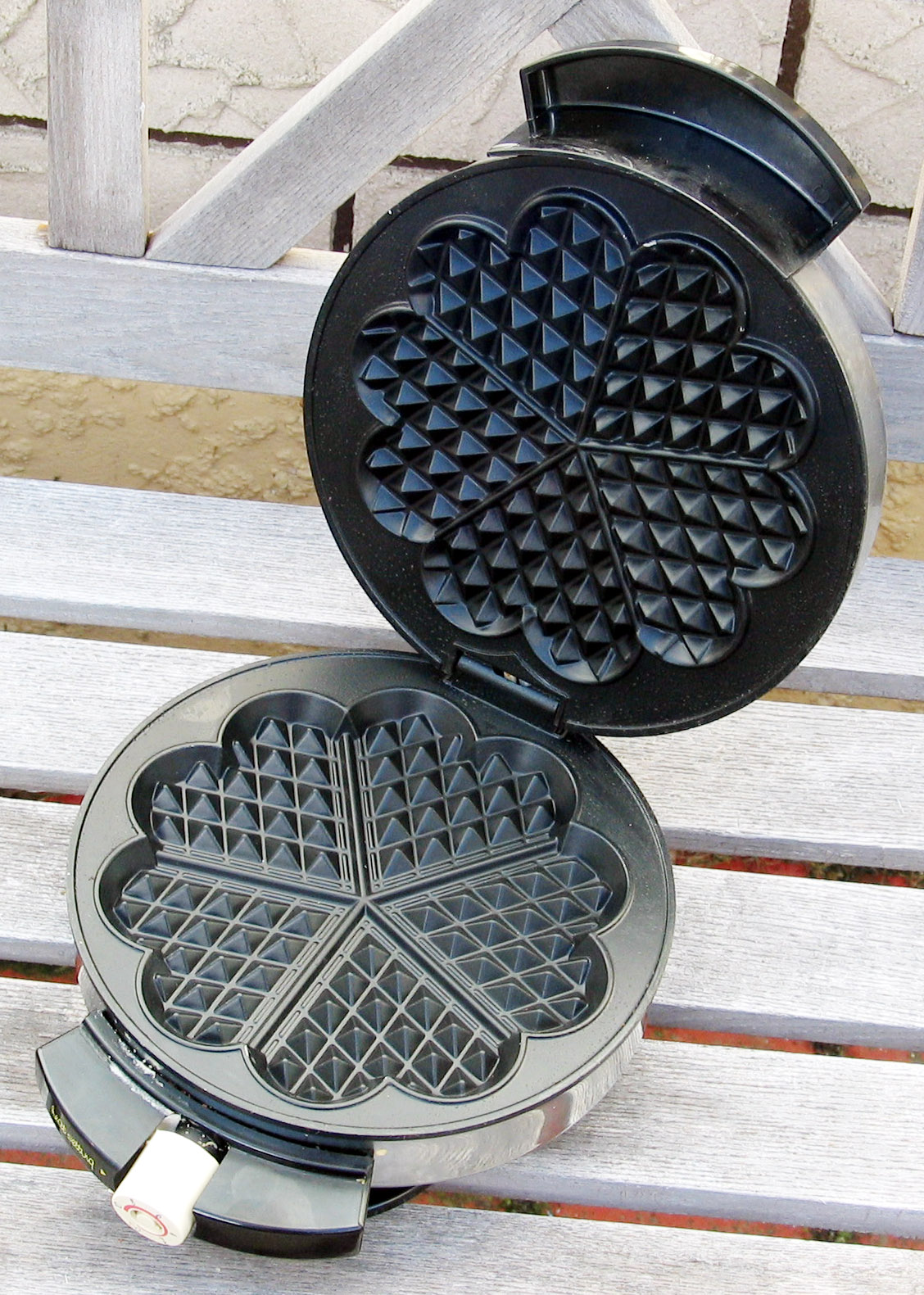
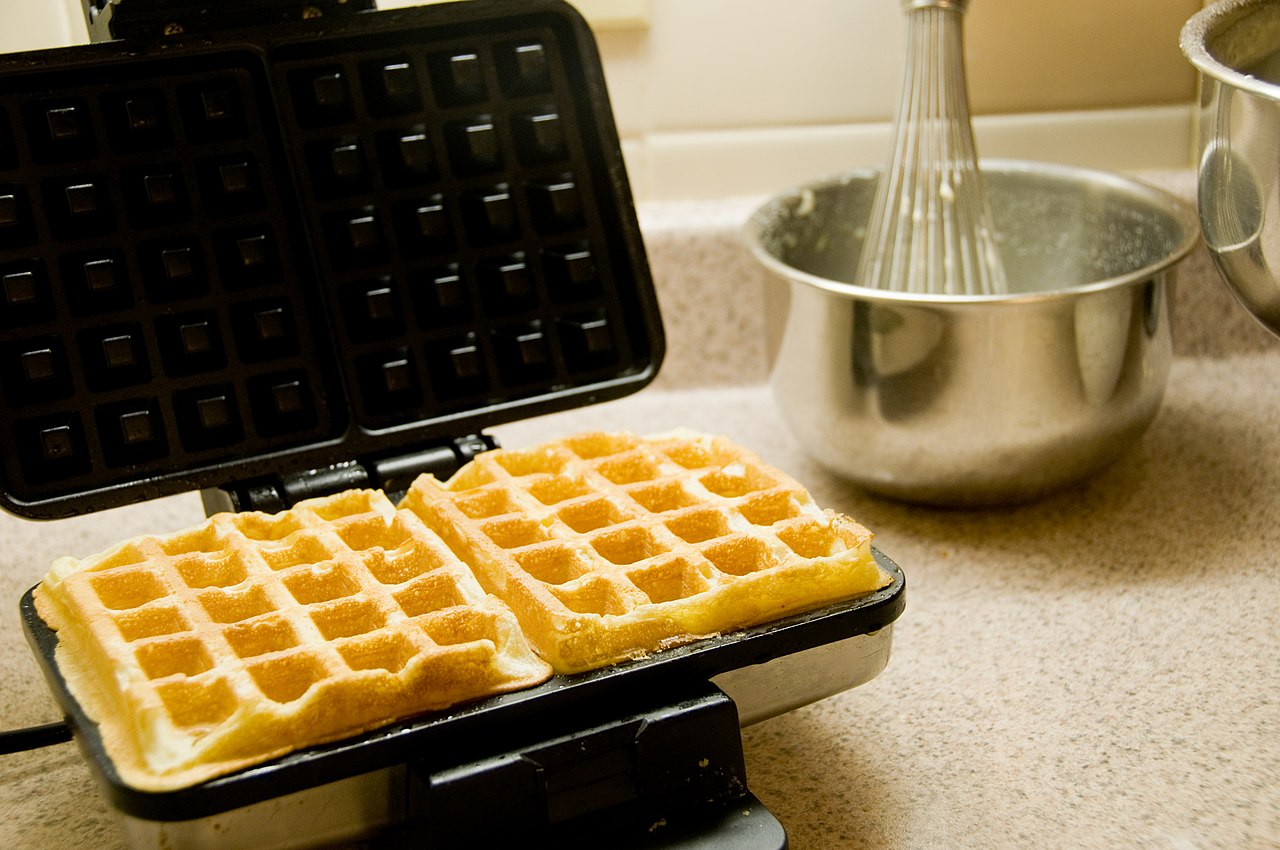
Waffles are cooked in a waffle iron, available as stovetop cast-iron plates or electric appliances. Waffle irons differ by plate depth, pattern and whether they produce thin or deep-pocketed waffles; these choices affect crispness and presentation.
Varieties and regional differences
There are many regional and stylistic variations. Two well-known Belgian types are the Brussels waffle, which is lighter and has deep, rectangular pockets, and the Liège waffle, denser and sweetened with pearl sugar that caramelizes during cooking. Other cultures have their own versions or similar griddle cakes; some waffles are intended savory rather than sweet and are served with cheese, meat or gravies.
History and development
Waffle-like cakes have antecedents in medieval Europe where cooks used patterned irons to press and cook batter or dough over a fire. The form and technology evolved over centuries; in the 19th century improved iron designs and later electrical appliances made waffles easier to prepare at home. A U.S. patent for an improved waffle iron in the 19th century is often noted in histories of the appliance, and the mid-20th century saw international popularization of certain styles.
Uses, serving and cultural notes
Waffles are commonly eaten for breakfast but are also served as a dessert or snack. Common toppings include syrup, butter, fruit, powdered sugar, whipped cream and ice cream; savory presentations pair waffles with fried chicken, smoked meats, or vegetables. Waffles appear on restaurant menus, at festivals and fairs, and as a packaged convenience food (frozen waffles) for quick preparation.
Other meanings
Outside culinary usage, the verb "to waffle" means to speak or act indecisively or to stray from a point. While unrelated to the food, this homonym is a frequent source of wordplay in English-language writing about dining and debate.
Waffles remain a flexible and enduring element of global cuisine: a simple batter prepared with a range of irons, adapted by region and taste, and enjoyed in both traditional and innovative forms.
Related articles
Author
AlegsaOnline.com Waffle (food) Leandro Alegsa
URL: https://en.alegsaonline.com/art/106115
Sources
- lonestar.texas.net : "American waffle recipe"
- fourman.dsl.pipex.com : "Brussels Waffle recipe"
- fourman.dsl.pipex.com : "Liège waffle recipe"
- bergisches-wiki.de : "Bergish Waffle recipe"
- mrnaomi.wordpress.com : "Descriptions of Hong Kong Waffles"
- blogs.houstonpress.com : "100 Favorite Dishes: No. 81, Pandan Waffles at Parisian Bakery III"
- theravenouscouple.com : "Pandan Waffles Banh Kep La Dua"
- lifeogy.com : "How to use a waffle maker"
- uk.babelfish.yahoo.com : Stroopwafels. Traditional delicacys.