
Cider: fermented and non‑fermented apple beverage
Cider is a drink made from apple (or other fruit) juice. It ranges from non‑alcoholic pressed juice to fermented alcoholic beverages, with varied styles, production methods and cultural traditions worldwide.
Overview: Cider is a beverage produced from the juice of fruit, most commonly apples. The term covers a spectrum from freshly pressed, unfermented juice to fully fermented, sparkling or still alcoholic drinks. Cider is made by extracting and treating fruit juice and, in many places, allowing natural or selected yeasts to convert sugars into alcohol through fermentation. Many local varieties and traditions have developed where apples are abundant.
Image gallery
10 Images
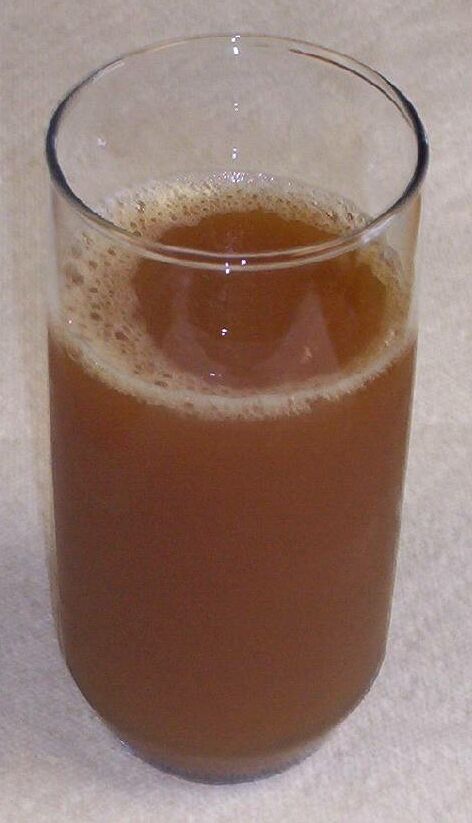


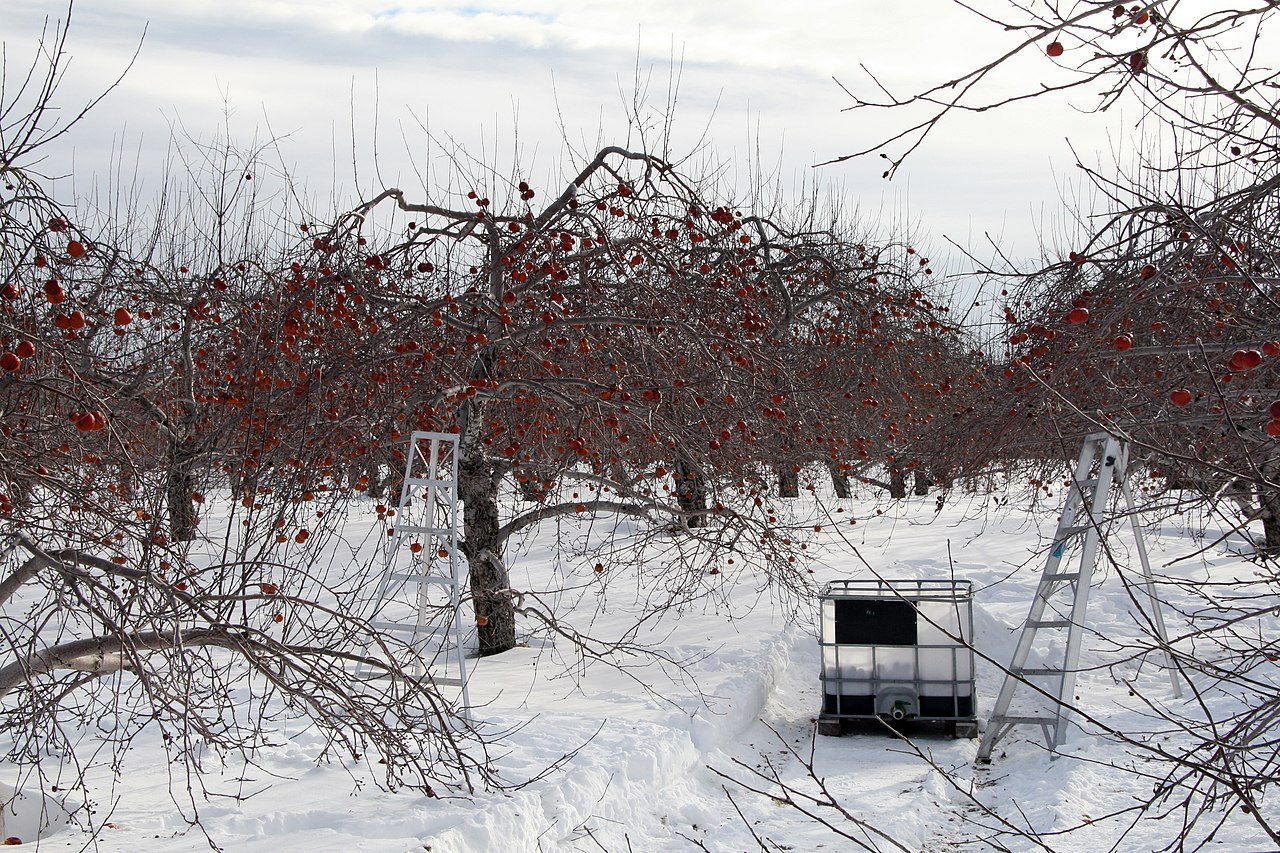

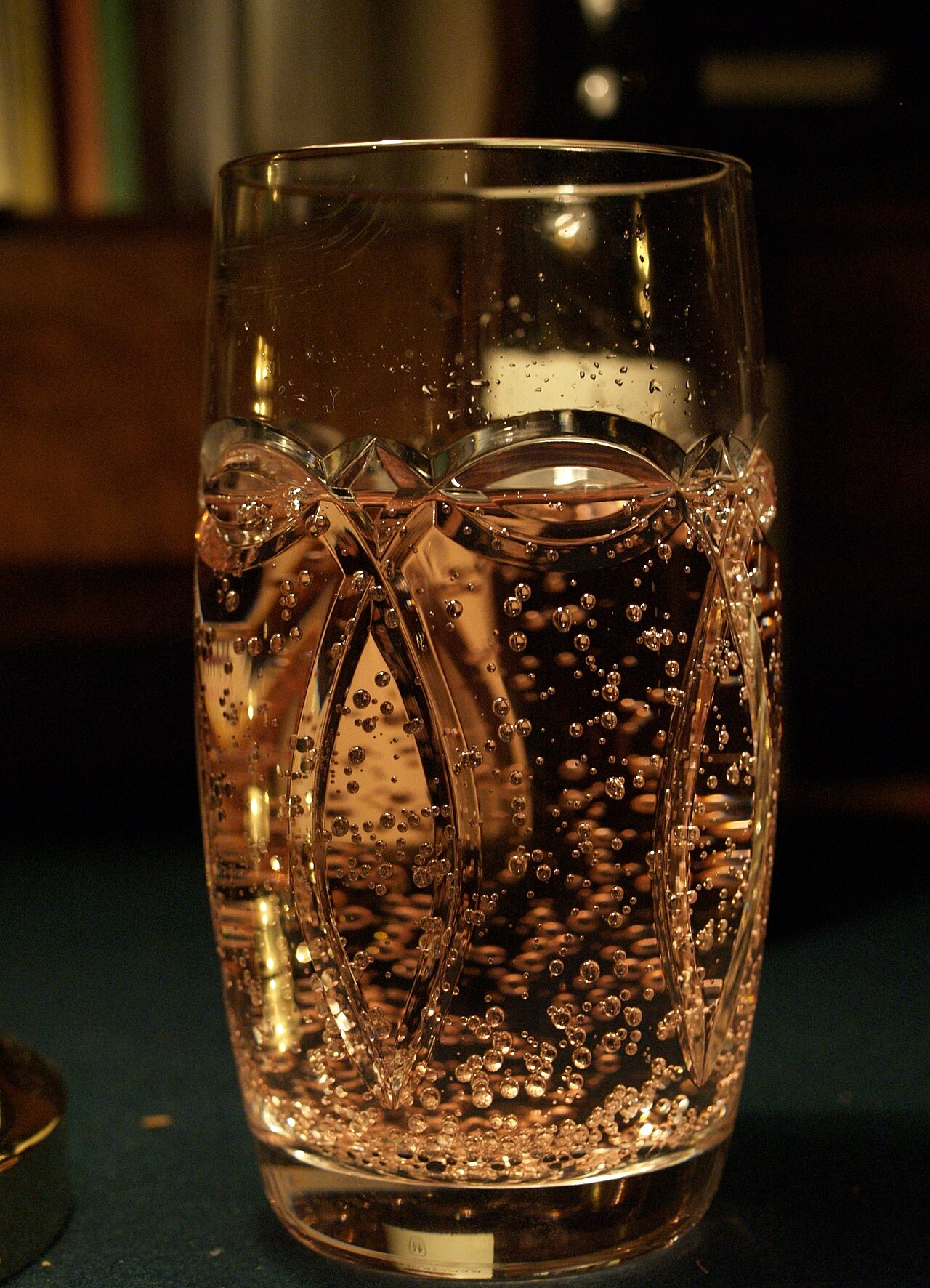


Characteristics and production
Basic cider production begins with pressing ripe apples to obtain raw apple juice. Juice chemistry, apple varieties and handling determine the final character: acidity, sweetness, tannin and aroma. Producers may ferment juice fully to make an alcoholic beverage, stop fermentation early for a sweeter product, or keep it unfermented as fresh cider or apple juice. Styles include still (non‑carbonated), naturally sparkling and gas‑forced sparkling ciders, and they range from dry to sweet.
Regional names and legal distinctions
Terminology varies by country. In parts of Europe and Oceania, "cider" generally denotes the fermented alcoholic drink. In the United States and much of Canada, "cider" can also refer to unfermented or lightly processed apple juice sold seasonally; the alcoholic product is often labeled "hard cider". Local regulations may define labeling, minimum fermentation levels or alcohol content for commercial sale.
History and cultural role
Cider has deep roots in regions with temperate climates suitable for apple cultivation. For centuries, smallholdings and orchards produced juice for home consumption and local markets. Over time, methods for pressing, fermenting and storing cider evolved, and distinct regional styles emerged. Cider has been associated with rural foodways, seasonal festivals and traditional recipes where apples are a staple.
Uses, serving and seasonal traditions
Cider is consumed both as a table beverage and as an ingredient. Served cold or at cellar temperature, it pairs with cheeses, pork and many autumn dishes. In North America, a thicker, unfiltered type of cider is a common seasonal drink around holidays such as Halloween and Thanksgiving; this version is often heated and spiced for a mulled preparation. In contrast, many European ciders are typically served chilled and not heated.
Types, examples and notable facts
- Non‑fermented cider or pressed apple juice: sold fresh, often unfiltered and perishable.
- Hard cider: produced by full or partial fermentation; alcohol content varies widely.
- Specialty ciders: fruit blends (adding pears or berries), spiced ciders, or barrel‑aged ciders developed for distinctive flavors.
Small craft producers and larger commercial operations coexist, offering a wide range of flavor profiles. For additional information on production techniques, apple selection and regional varieties, see resources on pressing, microbiology and food regulations provided by relevant authorities and industry groups via links such as general overviews, technical guides like fruit processing and fermentation primers at juice and ferment references. Further context and cultural notes can be found through regional pages for Europe, Oceania, the United States and Canada, and specialty summaries on alcoholic beverages and fermentation.
Whether enjoyed as a fresh, non‑alcoholic pressed juice or as a complex fermented drink, cider remains a versatile and regionally expressive beverage with a long history tied to apple cultivation and seasonal food traditions.
Questions and answers
Q: What is cider?
A: Cider is a drink made from fruit juice, most often from apples.
Q: How is cider made in Europe and Oceania?
A: Cider in Europe and Oceania is an alcoholic drink that is made from apple juice through a process called fermentation.
Q: What is the difference between cider in the United States and Canada and cider in Europe?
A: In the United States and Canada, cider containing alcohol is called hard cider or alcoholic cider. Cider or apple cider means less-sweet, usually unfiltered, apple juice. Whereas in Europe, cider is usually an alcoholic drink made from apple juice through a process called fermentation.
Q: When do people drink a special kind of cider in the United States and Canada?
A: People in the United States and Canada drink a special kind of cider around Halloween and Thanksgiving.
Q: What are the characteristics of the special kind of cider in the United States and Canada?
A: The special kind of cider in the United States and Canada is usually unfiltered, rather thick, and it is often heated and spiced with cinnamon before drinking it.
Q: Is the special kind of cider drunk in Europe the same as in the United States and Canada?
A: No, the special kind of cider drunk in Europe is usually not heated.
Q: What is the name of cider containing alcohol in the United States and Canada?
A: Cider containing alcohol in the United States and Canada is called hard cider or alcoholic cider.
Related articles
Author
AlegsaOnline.com Cider: fermented and non‑fermented apple beverage Leandro Alegsa
URL: https://en.alegsaonline.com/art/20358