
Vancouver Island
Large Pacific island off the coast of British Columbia, Canada. Known for temperate rainforests, Indigenous cultures, Victoria, and ferry connections to the mainland and the U.S.
Vancouver Island is a substantial island on the northeastern edge of the Pacific Ocean, forming part of the province of British Columbia in Canada. It covers roughly 31,285 square kilometres and lies off the mainland coast in the province's southwestern maritime region. The island combines long, rugged coastlines with inland mountains and sheltered inlets, making it one of the most diverse coastal landscapes in the Pacific Northwest.
Geography and climate. Mountain ranges and valleys cut the island, and its western shores are exposed to strong Pacific storms while eastern areas sit in relative rain shadows. The climate is generally maritime: mild, with wetter winters and drier summers along some central and eastern coastal zones. These conditions support extensive old-growth temperate rainforests, alpine meadows and productive marine environments that shape local communities and economies.
Ecology and protected places. Vancouver Island sustains a wide range of habitats, from coastal estuaries and kelp beds to cedar-hemlock forests and subalpine terrain. Several parks and reserves protect these ecosystems, including large provincial and national areas that preserve recreation and biodiversity. Wildlife includes salmon and other marine species, bears, eagles and many smaller mammals and birds that rely on intact forest and watershed systems.
Human history and cultures. The island has been home for millennia to Indigenous nations such as the Nuu-chah-nulth, Coast Salish and Kwakwaka'wakw, whose cultures, languages and place names remain central to the region. European arrival in the late 18th century brought new trade, settlement and contested changes; references to early explorers and colonial contact are part of the island's recorded history. Contemporary communities include both First Nations and settler populations, working together and sometimes in tension over land, rights and resource use. European contact and subsequent development are summarized in many local histories and cultural resources (European contact).
Population, economy and settlements. The island supports a mix of urban centres, smaller towns and rural areas. The provincial capital, Victoria, is located at the southern tip and is a cultural and administrative hub. Other population centres include Nanaimo, Courtenay, Campbell River and Port Alberni. Economic activities are varied: forestry, fishing, tourism, government services, education, technology, aquaculture and increasingly, specialty agriculture and wine production. The island's population has grown steadily in recent decades, numbering roughly in the mid-hundreds of thousands by the early 21st century.
Image gallery
10 Images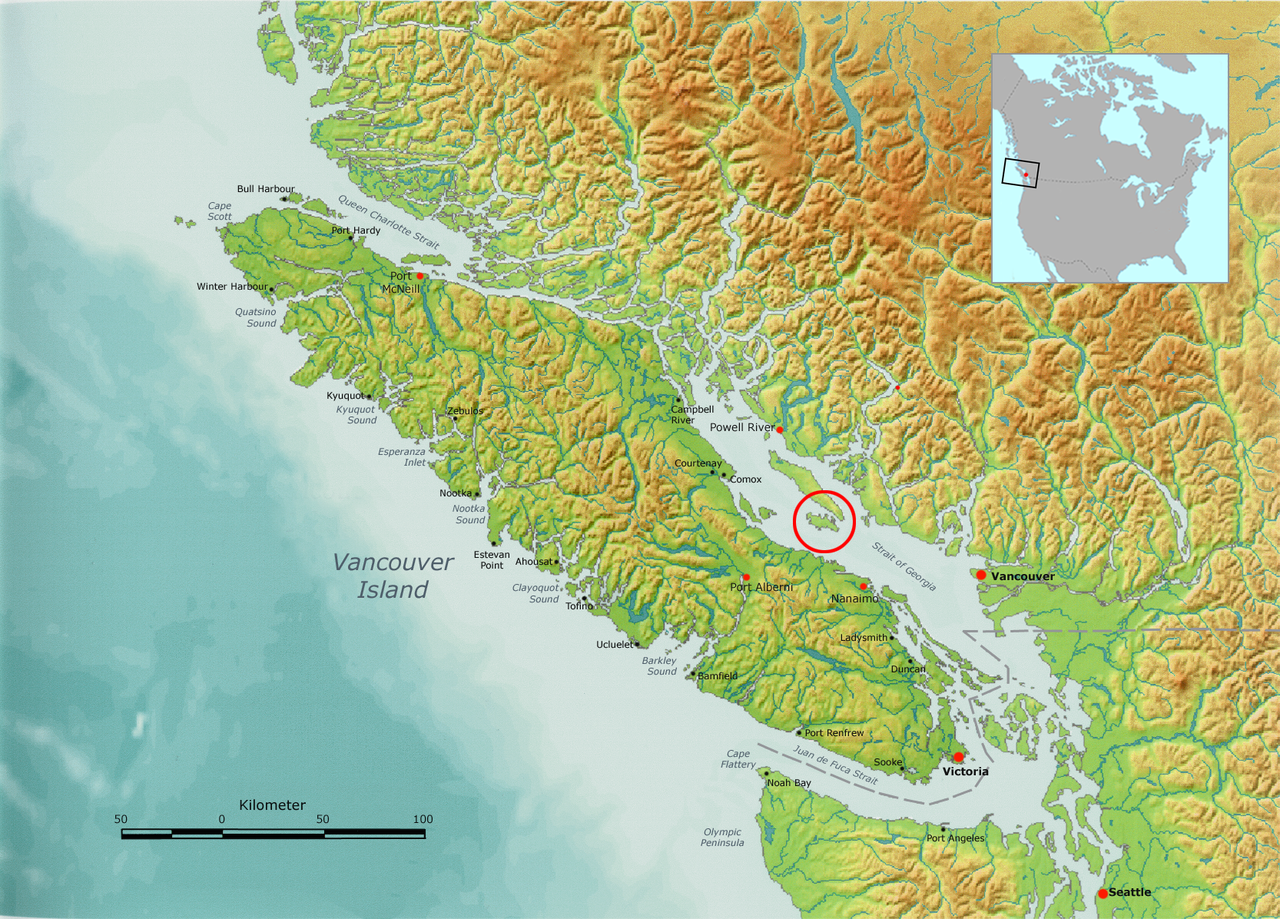


Transport and connections
There are currently no fixed links such as bridges or tunnels that connect the island directly to the mainland; connections rely on marine and air transport. Regular ferry services operate between the island and the Lower Mainland and the United States. One principal ferry line links the island to the Tsawwassen peninsula, providing onward road access to the city of Vancouver and the broader Trans-Canada Highway network. Another route crosses the Strait of Juan de Fuca to Anacortes, offering a direct connection to the U.S. state of Washington and road links toward Seattle and other destinations along the West Coast. Air services and smaller vehicle ferries also support inter-island and mainland travel.
- Major centres: Victoria, Nanaimo, Courtenay, Campbell River, Port Alberni.
- Notable parks: Coastal and alpine parks protect recreation and biodiversity across the island.
- Connections: Regular ferries and air routes link residents and visitors to the mainland and the United States.
Vancouver Island remains important for its environmental value, its living Indigenous cultures, its role as a provincial capital region and as an economic and recreational destination. Ongoing issues include sustainable management of forests and fisheries, reconciliation with Indigenous peoples, and balancing growth with protection of sensitive ecosystems.
Related articles
Author
AlegsaOnline.com Vancouver Island Leandro Alegsa
URL: https://en.alegsaonline.com/art/104174