
Vanua Levu — Fiji's second-largest island
Vanua Levu is Fiji's second-largest island, north of Viti Levu. It features rainforests, river valleys, sugarcane plains, coral reefs and towns such as Labasa and Savusavu, with agriculture, fishing and growing tourism.
Overview
Vanua Levu is the second-largest island of Fiji, lying about 64 kilometres north of the main island Viti Levu. The island covers roughly 5,587 km² and has a population of around 130,000. It is divided administratively among several provinces and supports a mix of rural villages and small urban centres.
Image gallery
6 Images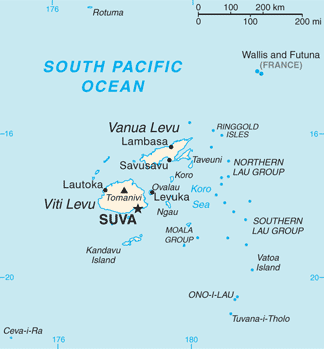


Geography and environment
Vanua Levu's landscape combines volcanic highlands, river valleys and coastal plains. Much of the interior is cloaked in tropical rainforest and dissected by rivers that drain to fertile coastal plains. Fringing coral reefs and mangrove systems line many shorelines. The island has a tropical climate with distinct wet and drier periods that influence agriculture and local ecosystems.
History and culture
Indigenous Fijian communities have long inhabited Vanua Levu, maintaining customary land tenure and village-based institutions. European visitors in the 19th century named the island "Sandalwood Island" during early trade in fragrant timber, and later missionary activity and colonial administration introduced plantation agriculture and new settlement patterns. Traditional ceremonies, crafts and village life remain important to the island's cultural identity.
Economy and settlements
The island's economy is largely rural. Key activities include sugarcane cultivation, copra, root crops, small-scale commercial farming, fishing and growing tourism. Major population centres include:
- Labasa — the island's largest town and a commercial hub, closely associated with the sugar industry;
- Savusavu — a coastal town valued for its harbour, thermal springs and marine access;
- Nabouwalu and other ports that serve inter-island transport and trade;
- numerous inland and coastal villages sustaining local markets and customary agriculture.
Transport and access
Vanua Levu is connected to other islands by regular ferry services and by small domestic flights to its towns. Road networks link major centres, but many interior and coastal roads are limited in capacity, making sea and air links important for supplies, commerce and tourism.
Nature, tourism and conservation
The island attracts visitors for snorkeling, diving on coral reefs, cultural visits to villages, bushwalking and geothermal springs. Conservation efforts focus on protecting rainforest habitats, coastal mangroves and coral communities, and on reducing threats from logging, invasive species and unsustainable coastal development. Community-based initiatives and sustainable tourism planning are increasingly emphasised to balance local livelihoods with environmental protection.
Related articles
Author
AlegsaOnline.com Vanua Levu — Fiji's second-largest island Leandro Alegsa
URL: https://en.alegsaonline.com/art/104218