
West Coast of the United States
Overview of the U.S. West Coast: its geography, states, major cities, history, economy, culture and notable distinctions across the Pacific margin.
The West Coast of the United States commonly denotes the Pacific-facing states that form the country's western edge. Most definitions include California, Oregon and Washington, and often extend to include Alaska and sometimes Hawaii. This region is united by its oceanfront climate influence, extensive coastal ecosystems and a string of major metropolitan areas that shape national culture and commerce.
Image gallery
10 Images


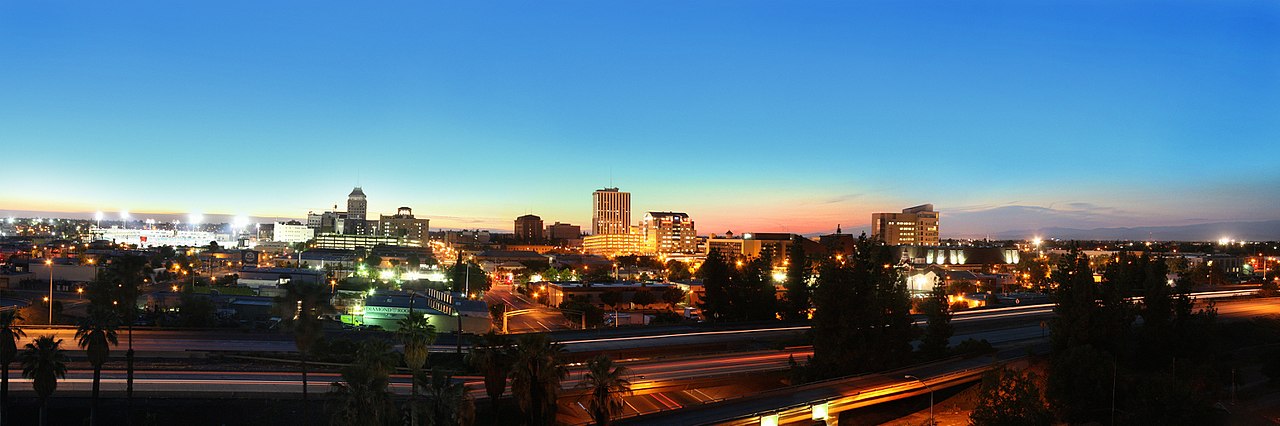
Geography and natural characteristics
The West Coast spans temperate rainforests in the north, Mediterranean climates in the central coast of California, arid stretches inland, and subarctic terrain in Alaska. Its geology is varied — from the San Andreas fault system and Pacific tectonic margin to volcanic chains — a distinction sometimes emphasized when comparing continental states to distant island chains; see notes on geology. The Pacific Ocean moderates temperature along the shore, supports major fisheries, and affects weather patterns such as marine layer fog and coastal storms.
History and development
Indigenous peoples inhabited these coasts for millennia before European exploration and later waves of migration. Maritime trade, resource extraction (timber, fisheries, minerals) and later technology and entertainment industries drove urban growth. Gold rushes, port expansion and twentieth-century aircraft and technology manufacturing all contributed to the West Coast becoming a focal point of national economic transformation.
Population, economy and major cities
Nearly fifty million people reside in the broad West Coast region, concentrated in large urban centers. Notable cities include Los Angeles, San Francisco, Portland, Seattle, Anchorage and San Diego. Economically the coast mixes technology, film and media, international trade through major ports, agriculture in coastal plains and valleys, and tourism. Silicon Valley and major film studios are key examples of industries with national and global reach.
Culture, environment and importance
Culturally the West Coast is known for diversity, progressive politics in many urban areas, cuisine influenced by Pacific trade and immigration, and strong environmental movements. Coastal habitats, kelp forests and estuaries are biologically rich and are the subject of conservation and resource management efforts. The region also plays a central role in shaping U.S. engagement across the Pacific Rim.
Notable distinctions and considerations
- Definitions vary: some uses exclude Alaska or include Hawaii depending on context (political, cultural, or geographic).
- Seismic and volcanic hazards are prominent on parts of the coast.
- Major ports on the West Coast handle a significant share of U.S. Pacific trade and act as gateways to Asia.
As both a physical shoreline and a cultural region, the West Coast combines striking natural variety with dense urban economies and distinctive regional identities. For further reading about particular states or cities see the linked entries for California, Oregon, Washington, Alaska and Hawaii.
Related articles
Author
AlegsaOnline.com West Coast of the United States Leandro Alegsa
URL: https://en.alegsaonline.com/art/107350