
Urinary system (renal system)
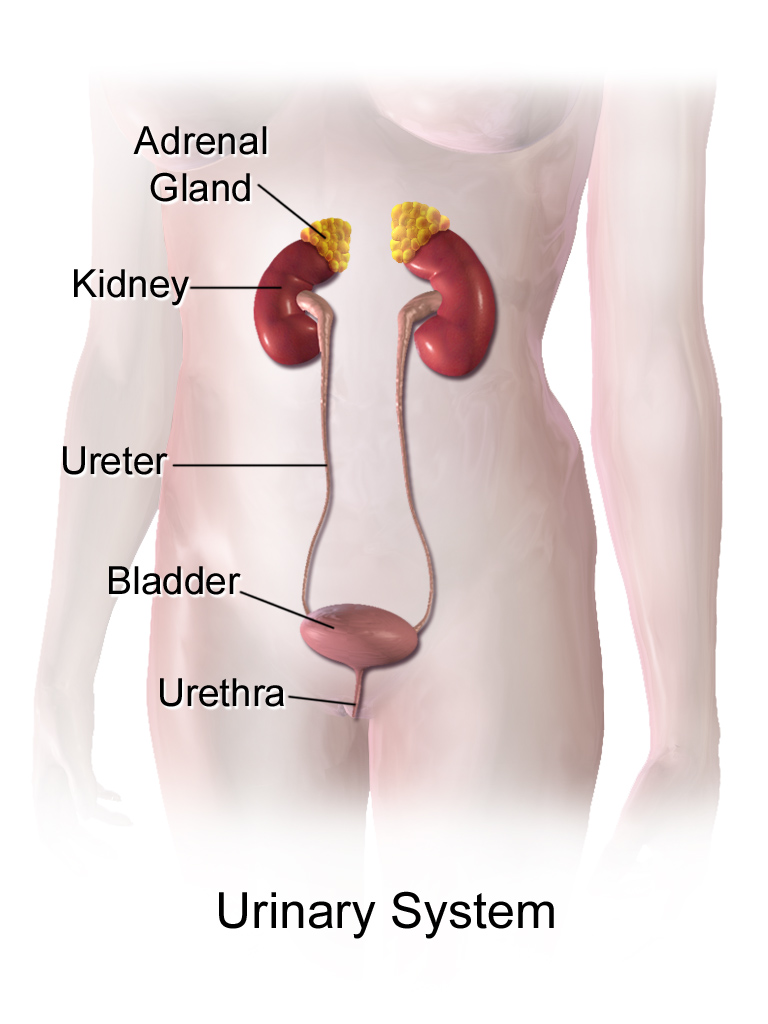
The urinary system produces, stores, and excretes urine. It removes metabolic waste, helps regulate fluids, electrolytes and blood pressure. Main parts: kidneys, ureters, bladder, and urethra.
The urinary system, also called the renal system, is the biological network responsible for producing, storing and eliminating urine. It removes soluble metabolic wastes from the bloodstream and helps maintain the body's fluid, electrolyte and acid–base balance. Urine itself is a watery fluid formed from filtered blood that contains excess water, salts and metabolic byproducts.
Image gallery
4 Images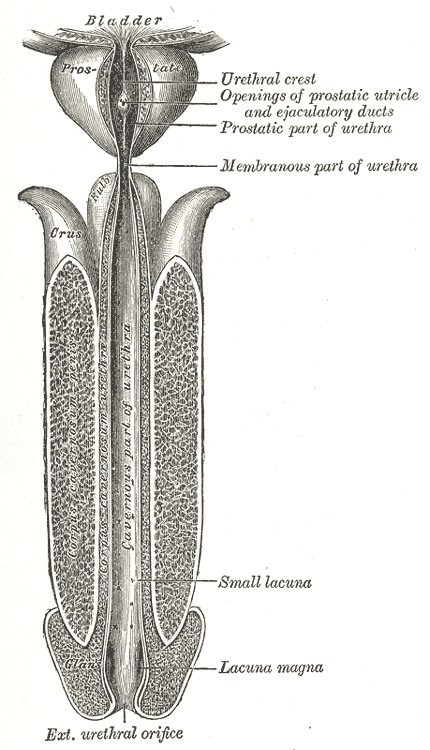


Main components
- Kidneys: two bean-shaped organs that filter blood, regulate electrolytes and secrete hormones. Many microscopic filtering units called nephrons perform the actual filtration and reabsorption. See kidney for more detail.
- Ureters: paired muscular tubes that convey urine from each kidney to the bladder.
- Bladder: a hollow, muscular reservoir that stores urine until voluntary voiding.
- Urethra: the channel that expels urine from the bladder to the body's exterior.
How it works
Blood enters the kidneys via renal arteries and is processed so waste and surplus water are separated into urine while useful substances are reabsorbed into circulating blood. This process involves filtration, selective reabsorption, secretion and excretion. The urinary pathway — often described as the urinary tract — carries the produced urine to the outside. The kidneys continuously interact with the blood and a network of blood vessels to maintain homeostasis.
Functions and importance
- Excretion of wastes such as urea and creatinine.
- Regulation of water and electrolyte balance to preserve blood volume and osmolarity.
- Acid–base regulation to keep stable pH.
- Endocrine roles: producing hormones that influence blood pressure and red blood cell production.
- Concentration of urine to conserve water when needed.
Urine composition varies with diet, hydration and health; it is the subject of clinical tests (urinalysis) used to detect infection, kidney dysfunction, metabolic disorders and other conditions. The term urine refers to the liquid waste produced and temporarily held within the bladder.
Development, disorders and clinical notes
The urinary system develops during embryogenesis and shows conserved features across vertebrates. Common clinical problems include urinary tract infections, kidney stones, obstructive disorders and chronic kidney disease. Severe impairment of renal filtration may require dialysis or transplantation. Diagnostic approaches include urine testing, blood chemistry, ultrasound and other imaging of the urinary tract.
Understanding the urinary system is fundamental to medicine because it links excretory, circulatory and endocrine functions and directly affects fluid balance, blood pressure and waste elimination in everyday health.
Questions and answers
Q: What is the urinary system?
A: The urinary system is a system of organs that produce urine/pee and remove it from the body.
Q: Why does the body need to remove urine?
A: The body needs to remove urine because it is a watery waste produced by the body.
Q: What are the organs involved in creating urine?
A: The kidneys are the organs involved in producing urine.
Q: How does the urinary system make urine?
A: The urinary system makes urine by filtering blood in the kidneys and extracting waste products.
Q: What is the purpose of the urinary tract?
A: The purpose of the urinary tract is to transport urine from the kidneys out of the body.
Q: What are the waste products that kidneys extract?
A: The kidneys extract waste products such as urea, excess water, and salts from the blood.
Q: How does the urinary system help maintain a balance in the body?
A: The urinary system helps maintain a balance in the body by removing excess water, ions, and other waste products that can harm the body if left to accumulate.
Related articles
Author
AlegsaOnline.com Urinary system (renal system) Leandro Alegsa
URL: https://en.alegsaonline.com/art/103607