
Unite the Right rally (Charlottesville, 2017)
A widely reported far-right gathering in Charlottesville, Virginia (August 11–12, 2017) that protested Confederate monuments and resulted in violent clashes, a deadly vehicular attack, and lasting political and legal consequences.
Overview
The Unite the Right rally was a two-day gathering of various far-right groups held in Charlottesville, Virginia on August 11–12, 2017. It brought together participants from the alt-right, neo-Nazi organizations, white nationalist and other extremist movements to oppose the planned removal of Confederate monuments and memorials, most prominently the statue of Robert E. Lee in what was then Emancipation Park. The event was organized by several individuals and networks and included scheduled speakers, marches and counter-demonstrations.
Image gallery
10 Images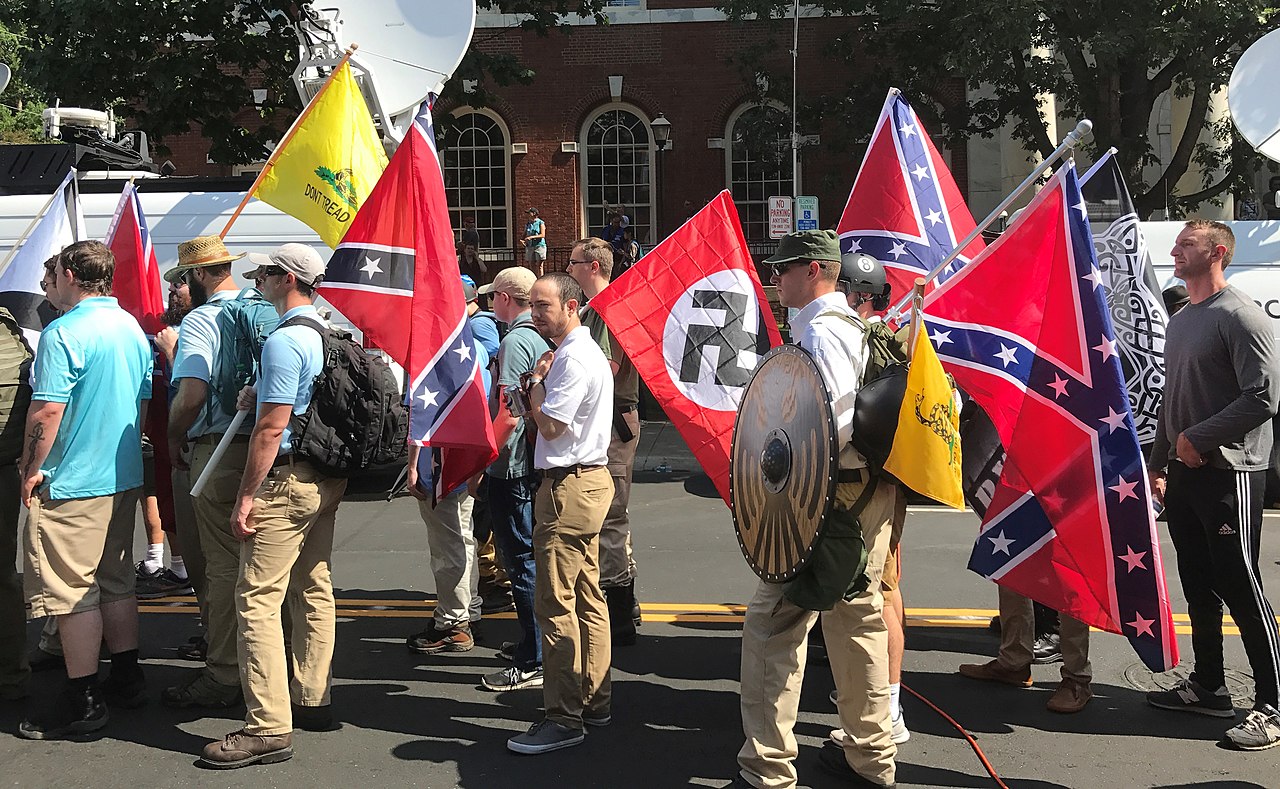


Participants and stated motives
Organizers and speakers represented a range of far-right positions, from white nationalism to explicit neo-Nazi and antisemitic viewpoints. Publicized participants included prominent white nationalist figures such as David Duke, as well as other activists and commentators associated with the movement. Media reports and recordings documented that some speakers and attendees made antisemitic statements and invoked rhetoric hostile to Jews and racial minorities. Attendees said their protest targeted the removal of Confederate symbols and expressed broader grievances about cultural and political change.
Events and violence
The gathering escalated into clashes between rally participants and counter-protesters. On the first night, some marchers conducted a torch-lit procession near the university. On August 12, confrontations intensified and law enforcement struggled to contain the two opposing crowds. During the unrest a vehicle intentionally struck people protesting the rally: a car drove into a group of counter-demonstrators, killing Heather Heyer and injuring others. In a separate incident, a nearby police helicopter monitoring the situation crashed, killing the troopers on board.
Legal outcomes and investigations
Authorities investigated the violence, and prosecutions followed for the vehicular attack and other offenses. The driver was charged under federal and state statutes, and civil lawsuits were filed by victims and municipalities against organizers and participants. Local, state and federal agencies reviewed the role of extremist groups and the adequacy of public-safety planning.
Reactions and legacy
The rally prompted national debate over public monuments, freedom of assembly, and the resurgence of organized white supremacist movements in the United States. Political leaders and commentators scrutinized official responses; statements from the presidency attracted particular attention and criticism. The events also spurred efforts to remove Confederate memorials in other jurisdictions, increase monitoring of extremist activity, and reexamine law-enforcement preparations for large, ideologically charged demonstrations.
Notable facts and distinctions
- The incident is often cited in discussions about the relationship between public commemoration of the Confederacy and contemporary racial politics.
- Reported speakers and attendees included a mix of organized groups and self-identified activists; coverage noted both planned speeches and spontaneous clashes.
- Public and legal scrutiny after the rally examined how social media and online networks facilitate the organization and amplification of extremist movements.
For more detailed timelines, primary-source material and legal documents, see contemporary reporting and court records from the period following the rally. Contemporary images and media coverage captured the rally and its aftermath and are available through archives and news organizations that maintained collections of the events.
Related names and topics that appear in contemporary accounts include organizers and commentators who were associated with the event, as well as broader discussions about monument removal, protest policing, and the role of extremist ideology in modern political movements. Some of the individuals and references connected to the event are discussed in contemporary sources and may be found under their public names in news archives: David Duke, speakers who praised or referenced Adolf Hitler in historical comparisons, and leaders who framed the gathering as supportive of figures such as Donald Trump.
Related articles
Author
AlegsaOnline.com Unite the Right rally (Charlottesville, 2017) Leandro Alegsa
URL: https://en.alegsaonline.com/art/102941
Sources
- nbc29.com : "Charlottesville Groups Send Out 'Call to Action' Against Upcoming Rally"
- gizmodo.com : "The Alt-Right Goes Panhandling"
- huffingtonpost.com : "Ex-KKK Leader David Duke Says White Supremacists Will 'Fulfill' Trump's Promises"
- businessinsider.com : "Former KKK leader David Duke strikes out at Trump for condemning a white nationalist rally: 'It was White Americans who put you in the presidency'"
- abc13.com : "Officials: White nationalist rally linked to 3 deaths"
- usatoday.com : "Alleged reckless driver charged with first-degree murder in Charlottesville car attack"
- kentucky.com : "Helicopter video shows ex-Kentucky man accused of ramming crowd; charges increased"
- issuu.com : "Petitioner wants videos of fatal crash released"
- aljazeera.com : "Unite the Right: White supremacists rally in Virginia"
- washingtonpost.com : Trump condemns Charlottesville violence but doesn’t single out white nationalists
- theguardian.com : Charlottesville: Trump under fire after failing to denounce white supremacists