
Heather Heyer: American paralegal and civil rights symbol
Heather Heyer (1985–2017) was an American paralegal and activist whose killing at the 2017 Charlottesville rally made her a widely recognized symbol in the fight against racism and violent extremism.
Heather Heyer (May 29, 1985 – August 12, 2017) worked as a paralegal and was active in progressive causes. Her death during a confrontation in Charlottesville, Virginia, drew extensive national and international attention and made her a focal point in public discussions about hate groups, protest, and public safety. For background on her life and work see biographical resources.
Image gallery
6 Images


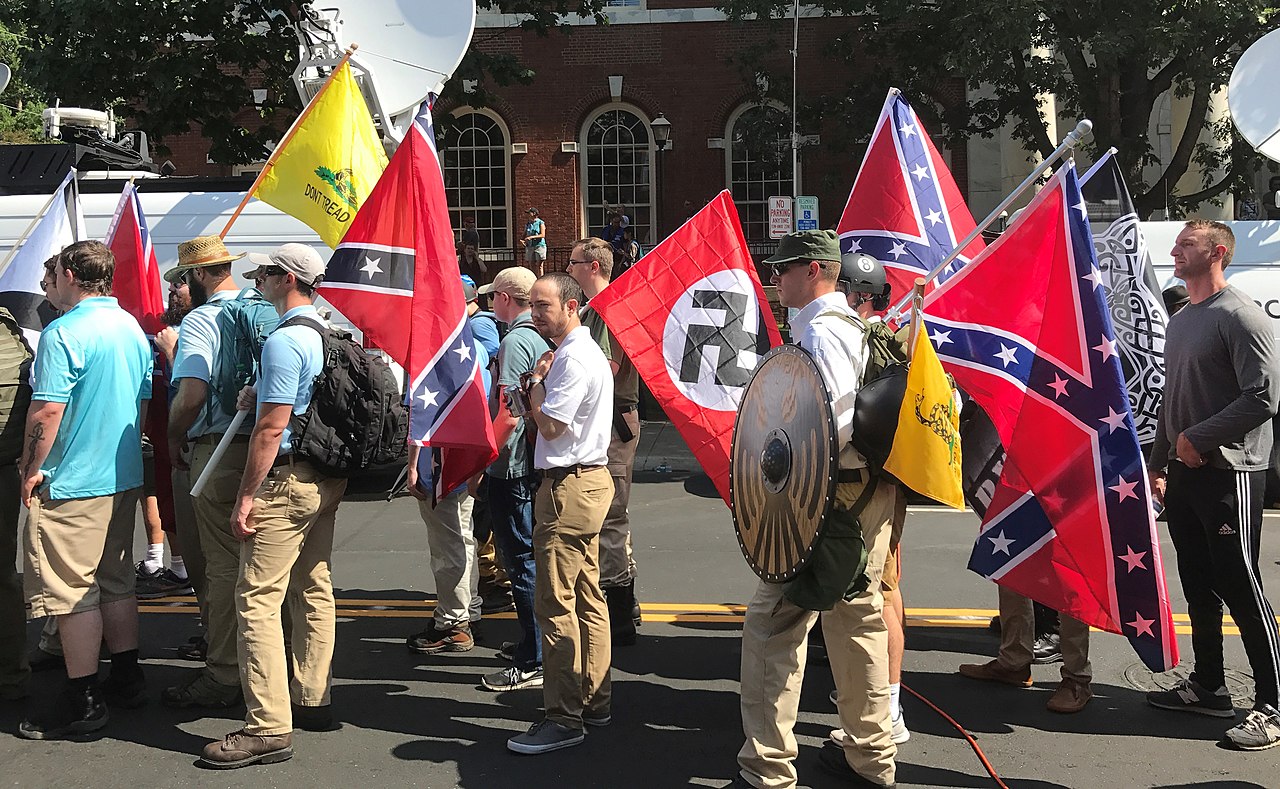
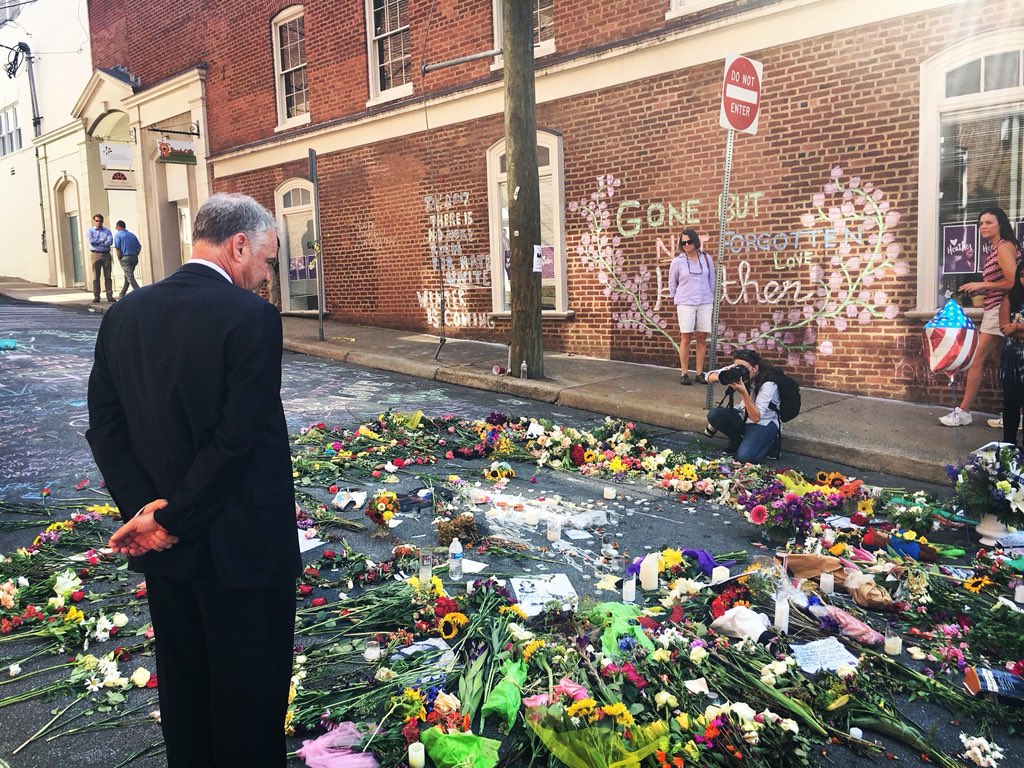
Background and local activism
Heyer lived in the Charlottesville area and was known to friends and family as committed to social justice and equal rights. She trained and worked as a paralegal, and participated in local community efforts and demonstrations addressing discrimination and racial inequality. Those who knew her described her as outspoken, dependable, and motivated by a desire to support marginalized people.
Charlottesville incident
On August 12, 2017, during the Unite the Right rally in Charlottesville, Heyer was killed when a vehicle struck a group of counterprotesters. The incident occurred amid clashes between white supremacist demonstrators and people protesting their presence. The driver was later tried and convicted in connection with the attack. Her death intensified scrutiny of violent tactics used by extremist groups and raised questions about public safety at large demonstrations.
Legacy and public response
In the aftermath of her death, vigils, memorials, and public statements honored Heyer’s life and called for greater action against racial violence. Her name has been invoked in campaigns against hate, in scholarship funds and memorial events, and by public officials and civil society groups advocating policy changes and community healing. The event also spurred legal actions, discussions about law enforcement preparations for demonstrations, and renewed efforts to confront extremism.
Significance
Heyer’s killing became a symbol in debates over how societies respond to organized hate and how communities remember victims of politically motivated violence. Her story is cited by activists and scholars as an example of the human cost of extremist movements and the ways ordinary citizens can become central figures in larger struggles for civil rights.
- Remembered for activism and community involvement
- Her death prompted memorials, legal proceedings, and policy discussion
- Often cited in broader conversations about protest, safety, and extremism
Questions and answers
Q: Who was Heather Heyer?
A: Heather Heyer was an American paralegal.
Q: When was Heather Heyer born and when did she pass away?
A: Heather Heyer was born on May 29, 1985, and she passed away on August 12, 2017.
Q: What event made Heather Heyer become a symbol for civil rights?
A: Heather Heyer became a symbol for civil rights after she was murdered during the 2017 Unite the Right rally in Charlottesville, Virginia.
Q: What was the Unite the Right rally?
A: The Unite the Right rally was a gathering of white nationalists, neo-Nazis, and other far-right groups that took place in Charlottesville, Virginia in August 2017.
Q: Why was Heather Heyer murdered during the rally?
A: Heather Heyer was murdered during the rally when a car was driven into a crowd of counter-protesters, killing her and injuring several others.
Q: How did Heather Heyer's death impact civil rights movements?
A: Heather Heyer's death brought attention to issues of racism and white supremacy in the United States and inspired many to continue fighting for civil rights.
Q: What is the legacy of Heather Heyer?
A: Heather Heyer's legacy is one of courage and dedication to justice, as well as a reminder of the ongoing struggle for civil rights in the United States.
Related articles
Author
AlegsaOnline.com Heather Heyer: American paralegal and civil rights symbol Leandro Alegsa
URL: https://en.alegsaonline.com/art/120423
Sources
- theparamount.net : "HEATHER HEYER MEMORIAL"
- nytimes.com : "Heather Heyer, Charlottesville Victim, Is Recalled as 'a Strong Woman'"
- cnn.com : "Heather Heyer died 'fighting for what she believed in'"
- theguardian.com : "Heather Heyer, victim of Charlottesville car attack, was civil rights activist"
- sacbee.com : "5 things to know about Heather Heyer"
- independent.co.uk : "Heather Heyer: Civil rights activist killed in Charlottesville car attack"
- thecut.com : "What Heather Heyer Knew"
- nytimes.com : "Mother of Woman Killed in Charlottesville Says She Will Not Speak to Trump"
- nytimes.com : "What We Know About James Alex Fields, Driver Charged in Charlottesville Killing"
- usatoday.com : "Driver accused of plowing into crowd at Charlottesville rally charged with federal hate crimes"
- cincinnati.com : "NKY native James Alex Fields pleads not guilty in Charlottesville attack"
- splcenter.org : "James Alex Fields, worried about self-incrimination, gets lawyer for protection in civil cases"
- independent.co.uk : "The poignant last Facebook post of the woman killed at Charlottesville anti-fascist protest"