
2016 United Kingdom European Union membership referendum (Brexit referendum)
A nationwide referendum held on 23 June 2016 asking whether the UK should remain a member of the EU; the Leave side won and led to significant political and constitutional change.
Overview
The United Kingdom European Union membership referendum took place on 23 June 2016 in the United Kingdom and Gibraltar. Voters were asked whether the UK should remain a member of the European Union. The national result was a vote to leave, with 51.9% of valid votes cast in favour of leaving and the remainder favouring continued membership. Turnout was high compared with many national elections.
Image gallery
10 Images






Question, electorate and conduct
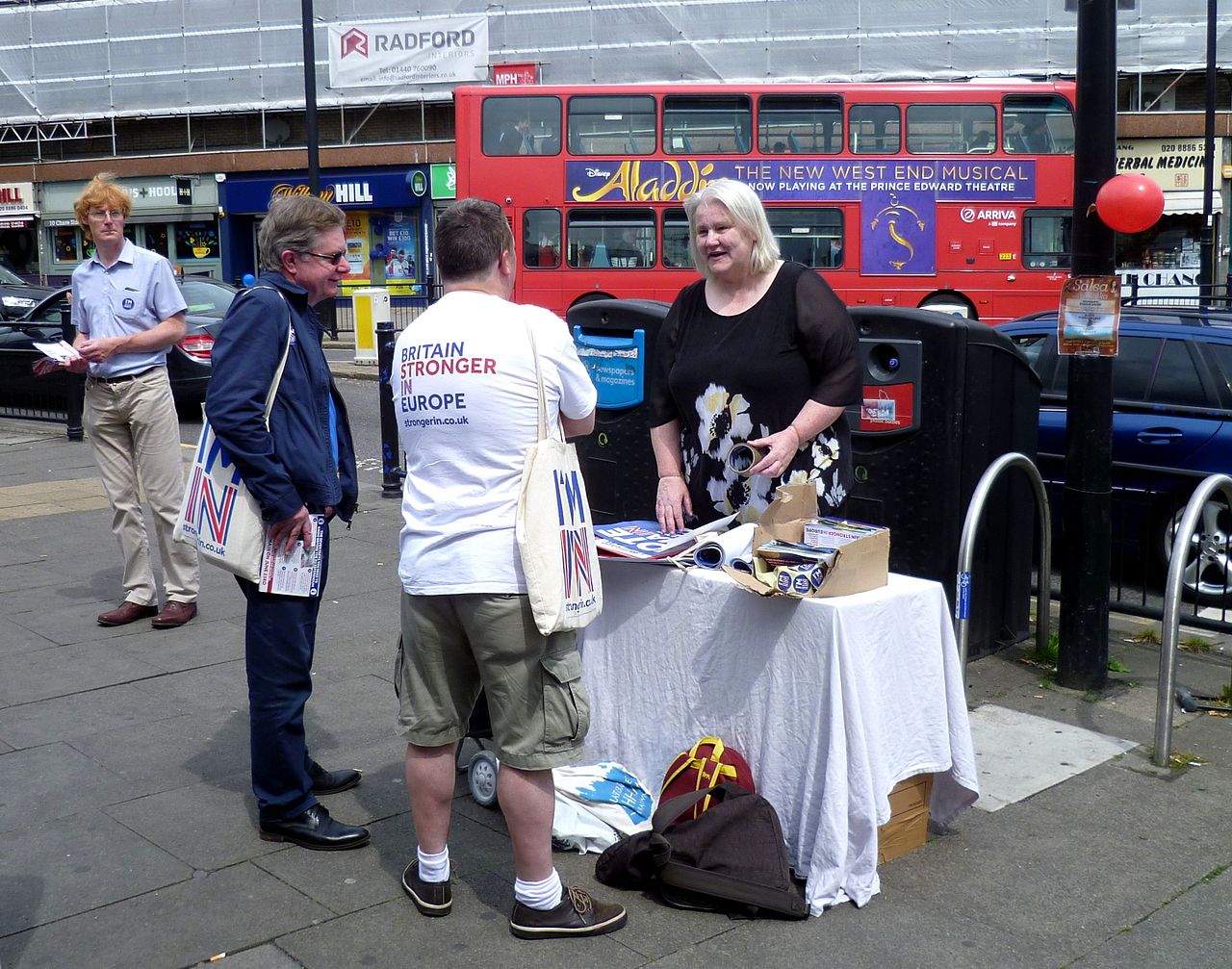
The referendum posed a single-choice question with two options: Remain a member of the EU or Leave the EU. The franchise included UK citizens resident in the UK, qualifying Commonwealth citizens, citizens of the Republic of Ireland resident in the UK, and eligible residents of Gibraltar. The poll was administered by local returning officers; campaigning included televised debates, print and online advertising, and public events. Observers highlighted the role of social media in shaping public debate.
Campaign themes and participants
Campaigning was dominated by two broad camps. Supporters of Remain emphasised economic risks, market access and stability, while Leave advocates stressed national sovereignty, control over immigration, and the ability to make laws without EU institutions. Political parties and major public figures were divided: some Conservative ministers campaigned on both sides, the then Prime Minister David Cameron backed Remain, while a number of leading Conservatives and other politicians supported Leave.
Immediate aftermath
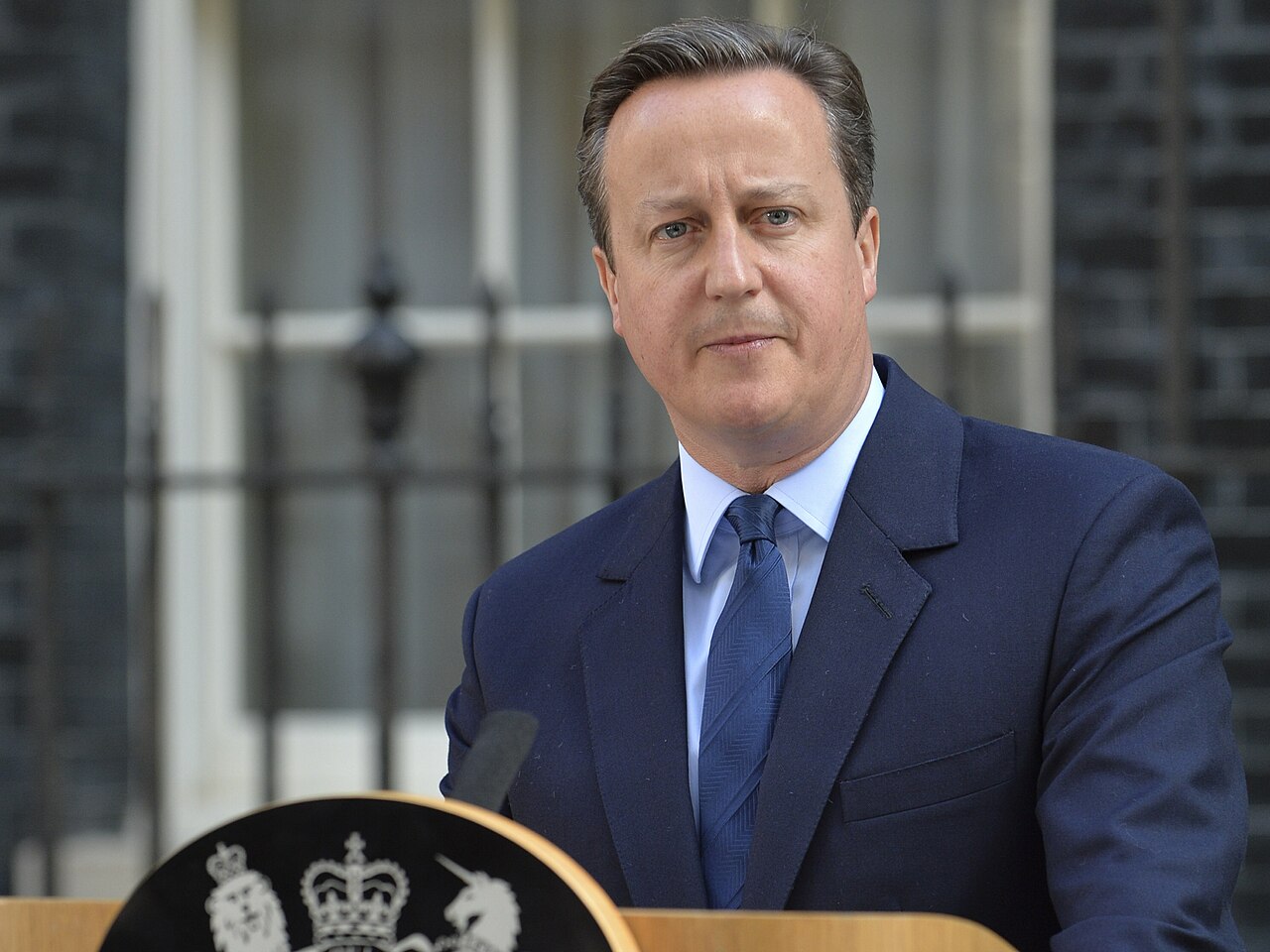
Following the announcement of the result, the sitting Prime Minister resigned and a leadership change followed: David Cameron stepped down and was succeeded by Theresa May. The referendum was legally advisory rather than automatically binding, but its political impact compelled the government to begin the formal process of withdrawing from the EU, invoking Article 50 of the EU treaties to start negotiations.
Legal effects, negotiations and final outcome
The vote set in motion a multi-year negotiating process between the UK and the EU over withdrawal terms, future relationships, and transition arrangements. That process reshaped domestic politics, produced legislation to implement withdrawal, and culminated in the UK leaving the EU after extensive negotiations and parliamentary debates. The referendum therefore stands as a pivotal decision that changed the UK's constitutional and international position.
Significance and legacy
Beyond the immediate political turnover, the referendum had lasting effects on party alignments, regional politics (notably in Scotland, Northern Ireland and Gibraltar), public discourse on migration and sovereignty, and the terms of trade and cooperation with Europe. It remains a reference point for debates about direct democracy, national self-determination, and the complexities of disentangling long-standing political and economic integration.
- Date: 23 June 2016
- Question: Remain or Leave the European Union
- Result: 51.9% Leave
- Notable political change: resignation of David Cameron, succession by Theresa May
Questions and answers
Q: What was the referendum about?
A: The referendum was to decide whether the United Kingdom would stay in the European Union (EU).
Q: When did the referendum take place?
A: The referendum took place on 23 June 2016.
Q: Where did it take place?
A: It took place in the UK and Gibraltar.
Q: What was the result of the referendum?
A: 51.9% of votes were in favour of leaving the EU.
Q: Who announced their resignation after the result of the referendum?
A: David Cameron, then Conservative Party leader and Prime Minister, announced his resignation after the result of the referendum.
Q: When did Theresa May become Prime Minister?
A: Theresa May became Prime Minister on 13 July.
Q: Who replaced David Cameron as Prime Minister after he resigned?
A; Theresa May replaced David Cameron as Prime Minister after he resigned.
Related articles
Author
AlegsaOnline.com 2016 United Kingdom European Union membership referendum (Brexit referendum) Leandro Alegsa
URL: https://en.alegsaonline.com/art/102960
Sources
- commons.wikimedia.org : 2016 United Kingdom European Union membership referendum
- nytimes.com : "Britain Votes to Leave E.U.; Cameron Plans to Step Down"
- telegraph.co.uk : "EU referendum live: Boris Johnson hails 'glorious opportunity' of Brexit as David Cameron resigns"
- bbc.com : "EU Referendum Results"
- bbc.com : "Brexit: David Cameron to quit after UK votes to leave EU"
- theguardian.com : "Andy Burnham pushes Labour to set up separate pro-European Union campaign | Politics"
- theguardian.com : "Alan Johnson to head Labour Yes campaign for EU referendum | Politics"
- libdems.org.uk : "Nick Clegg: Pro-Europeans are the real reformers now"
- bbc.co.uk : "Nicola Sturgeon warns of EU exit 'backlash'"
- telegraph.co.uk : "Conservative Party to stay neutral during EU referendum"
- ukip.org : "Home page"
- respectparty.org : "Respect to campaign to leave the EU"
- electoralcommission.org.uk : "Official result of the EU Referendum is declared by Electoral Commission in Manchester"
- nbcnews.com : "'Brexit' Triggers New Bid for Scottish Independence"
- independent.co.uk : EU referendum result: Sinn Fein's Martin McGuinness calls for border poll on united Ireland after Brexit