
David Duke
David Duke (born 1950) is an American far‑right activist and former politician known for white supremacist and antisemitic advocacy, a past leadership role in the Ku Klux Klan, and several electoral campaigns.
David Ernest Duke (born July 1, 1950, in Tulsa, Oklahoma) is an American far‑right political activist and former elected official. He is widely described by civil rights organizations, journalists, and scholars as a white supremacist and has promoted antisemitic conspiracy theories. Duke became prominent in the 1970s and 1980s through leadership in white nationalist circles and later sought to translate that activism into electoral politics.
Image gallery
6 Images


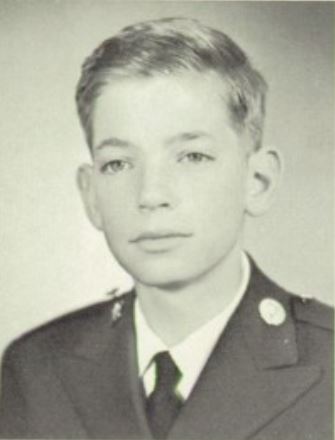
Background and ideology
Duke has advocated racial separatism and advanced conspiracy theories about Jewish influence in politics, media, and finance. Organizations such as the Southern Poverty Law Center and the Anti‑Defamation League have identified Duke and groups he led as part of the broader white supremacist movement. He has used both explicit racist language and coded appeal to cultural grievances in an effort to attract a wider audience.
Organizational roles and public profile
In the 1970s and 1980s Duke held leadership positions in organizations associated with the Ku Klux Klan and with other white nationalist groups; he has been described in public records and reporting as a former Klan leader. Over time he also published writings and gave speeches that promoted his views. His efforts to gain mainstream recognition led to frequent public controversy and to efforts by civil society and political actors to isolate him.
Political campaigns and offices
Duke pursued electoral office repeatedly. He won a single term in the Louisiana House of Representatives and ran for higher office several times, including bids for governor and for the presidency in the late 1980s and early 1990s. His campaigns mixed populist themes with appeals tied to race and national identity; they drew both dedicated supporters and vigorous opposition from voters and advocacy groups.
Controversies, media attention and responses
Duke’s rhetoric and associations have generated repeated media attention and public condemnation. Reports in the 2010s renewed scrutiny of past interactions between Duke and other public figures, for example when it was revealed that some politicians had appeared at events where Duke was also involved. Such revelations typically prompted public statements, distancing by mainstream political parties, and further discussion about extremist influence in politics. Duke has also given interviews to national media outlets, where hosts and commentators often confronted his statements.
Impact and legacy
Analysts of American extremism note Duke’s role in attempting to normalize and convert extremist ideas into electoral support. His career illustrates the tensions that arise when fringe movements seek legitimacy through democratic institutions, and it underscores how organized opposition, media scrutiny, and legal and political pressures affect the visibility and influence of such movements.
Further reading
Related articles
Author
AlegsaOnline.com David Duke Leandro Alegsa
URL: https://en.alegsaonline.com/art/117260
Sources
- upi.com : "KKK leader Duke considers presidential run"
- cbsnews.com : "David Duke, To Russia With Hate"
- splcenter.org : "David Duke Again Takes Advantage of Media Airtime to Lie and Mislead"