
United States Grand Prix
A historical overview of the United States Grand Prix: its origins, shifting venues, role in Formula One, notable moments, and its modern revival at the Circuit of the Americas in Austin, Texas.
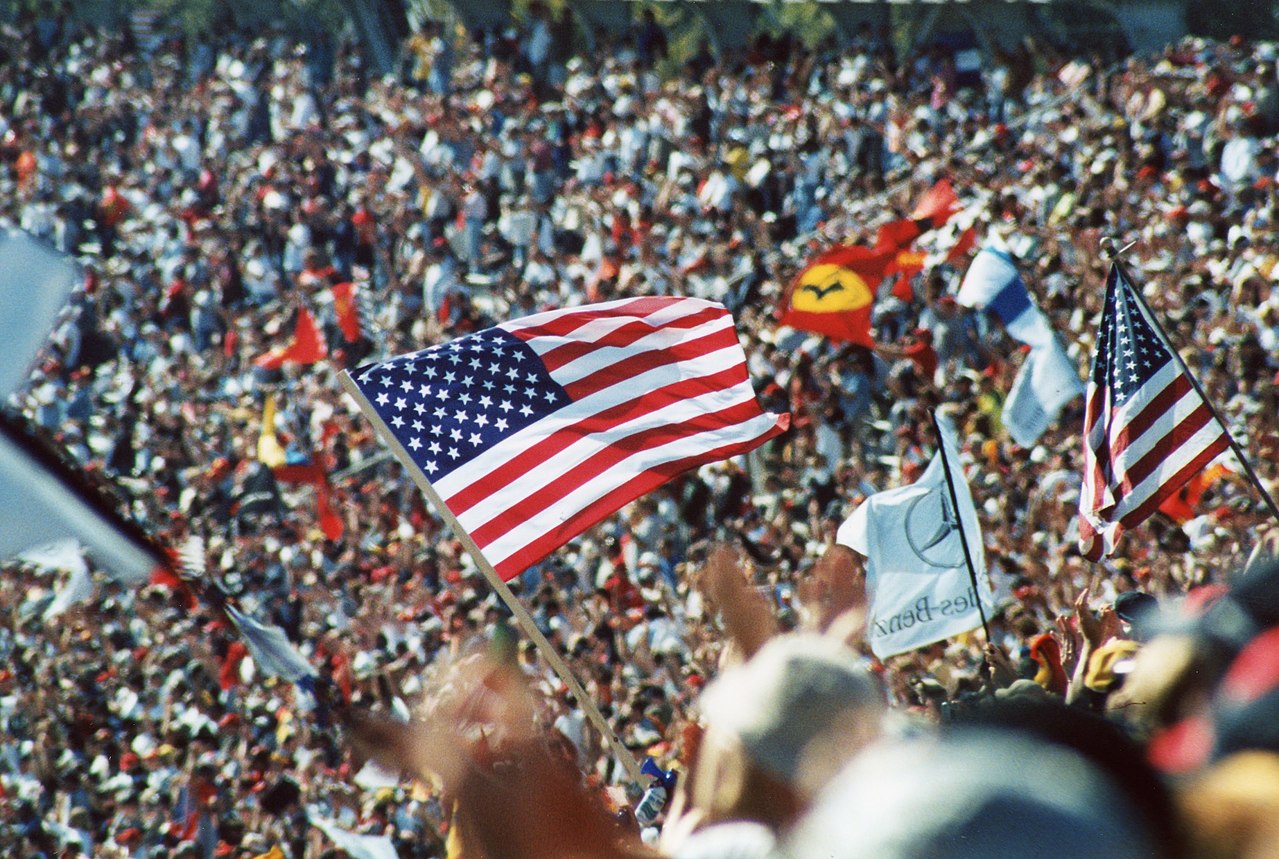
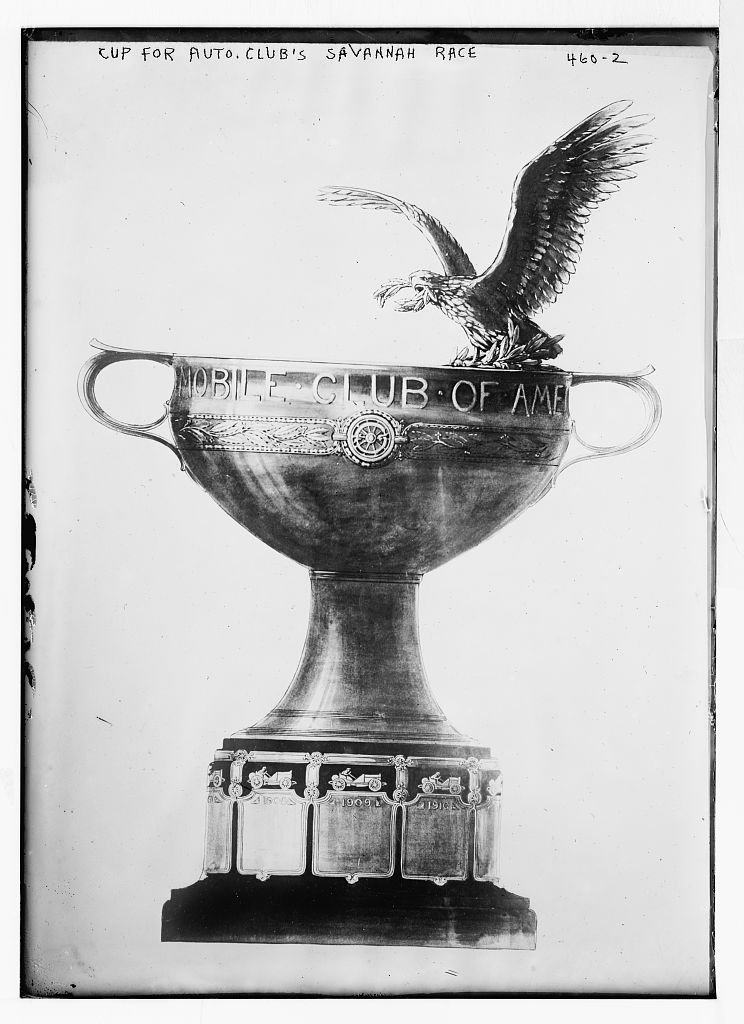
The United States Grand Prix is the name given to top-level motor racing events held in the United States that have, at times, been part of the FIA Formula One World Championship. Its roots extend back to the early 20th century, when an international race known as the American Grand Prize was staged in 1908. Over the decades the event has appeared at street courses, permanent road circuits and a purpose-built Formula One layout, reflecting both changes in international motor sport and the evolving popularity of open-wheel racing in North America.
Image gallery
10 Images




History and development
The race developed unevenly: at various periods there was a single well-established United States Grand Prix, while at other times multiple American rounds carried different titles or the event moved between cities. In the 1960s and 1970s a durable era was centered at Watkins Glen, which became synonymous with the U.S. round of the World Championship. Later decades saw the championship visit street circuits and urban events in Long Beach, Detroit and Phoenix, as well as a return to purpose-built facilities.
A modern chapter began when the United States Grand Prix moved to the Indianapolis Motor Speedway's infield road course in 2000. The Indianapolis era included one of the most notorious episodes in contemporary Formula One: the 2005 race, when disputes over tyre safety left only six cars from one team able to race. After Indianapolis the F1 calendar in the U.S. lapsed for a time.
Revival in Austin
In 2010 the FIA announced a plan to restore a permanent U.S. round at a new circuit near Austin, Texas; the decision was publicized as part of the sport's effort to re-establish a stable American event (announcement). The resulting facility, the Circuit of the Americas, was designed with significant elevation changes and a mix of corner types intended to challenge modern Formula One cars. The track is often cited for its dramatic entry at Turn 1 and for incorporating influences from several famous international corners. The venue hosted its inaugural U.S. Grand Prix weekend in 2012 (first race) after construction and homologation, and has been a prominent fixture since then (Circuit of the Americas).
Characteristics and notable facts
- Venues have ranged from temporary street circuits to long-established permanent tracks and tailor-made modern circuits.
- The U.S. event has sometimes coexisted with other American-based Formula One races, and the nation has also hosted the Indianapolis 500, which historically had a complicated relationship with the World Championship.
- Memorable moments include long-serving runs at Watkins Glen, the Indianapolis tyre controversy, and the architectural ambitions embodied by the Austin circuit.
Today the United States Grand Prix is both a sporting event and a commercial showcase. Its modern presence has contributed to a renewed fan base for Formula One in the United States, encouraging further races and investment in the region. While the specific location of the U.S. Grand Prix has changed over time, the event remains an important stop for teams, drivers and fans seeking to compete at the highest level on American soil.
Questions and answers
Q: What is the United States Grand Prix?
A: The United States Grand Prix is a motor race which has been run on and off since 1908, when it was known as the American Grand Prize. It later became part of the Formula One World Championship.
Q: Where was the race held from 2000 to 2007?
A: From 2000 to 2007, the race was held at the Indianapolis Motor Speedway road course.
Q: Why was it dropped from the Formula One calendar in 2008?
A: The United States Grand Prix was dropped from the Formula One calendar starting in 2008.
Q: When did FIA announce that it would return to US?
A: In 2010, the FIA announced that the race would return to the United States at a new circuit near Austin, Texas.
Q: What is this new track called?
A: The new track is called Circuit of Americas.
Q: When did Circuit of Americas host its first U.S. Grand Prix?
A: The Circuit of Americas hosted its first U.S. Grand Prix in 2012.
Related articles
Author
AlegsaOnline.com United States Grand Prix Leandro Alegsa
URL: https://en.alegsaonline.com/art/103055
Sources
- statesman.com : "Inaugural Austin F1 race date confirmed as Nov. 18, 2012"
- formula1.com : "Formula One - Further details about US F1 race announced"
- austin.ynn.com : "F1 organizers divulge details of Austin race site"