
Charlottesville car attack (Unite the Right rally, August 12, 2017)
A vehicle was driven into counter-protesters during the Unite the Right rally in Charlottesville, Virginia, killing Heather Heyer and injuring others; the incident reshaped debates about political violence and symbols.
Overview
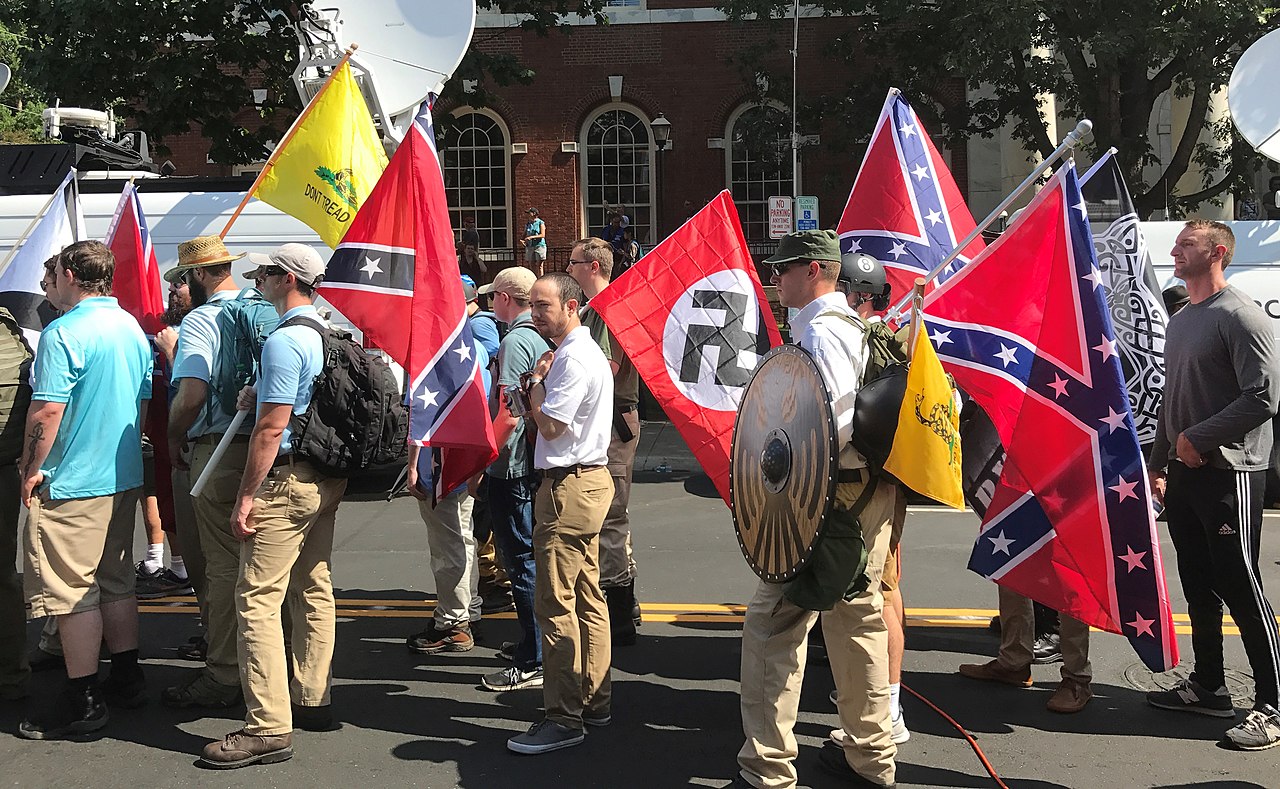
On August 12, 2017, a mass gathering in Charlottesville, Virginia, called the "Unite the Right" rally—organized by white supremacist and far-right groups—escalated into violent clashes between rally participants and counter-protesters. During the confrontations, a car accelerated into a crowd of people demonstrating against the rally, killing one person and injuring many others. Coverage and commentary about the event were widespread and immediate; contemporary reporting linked the attack to the broader rally and its participants, as documented in contemporary accounts such as Unite the Right rally coverage.
Image gallery
6 Images


What happened and immediate consequences
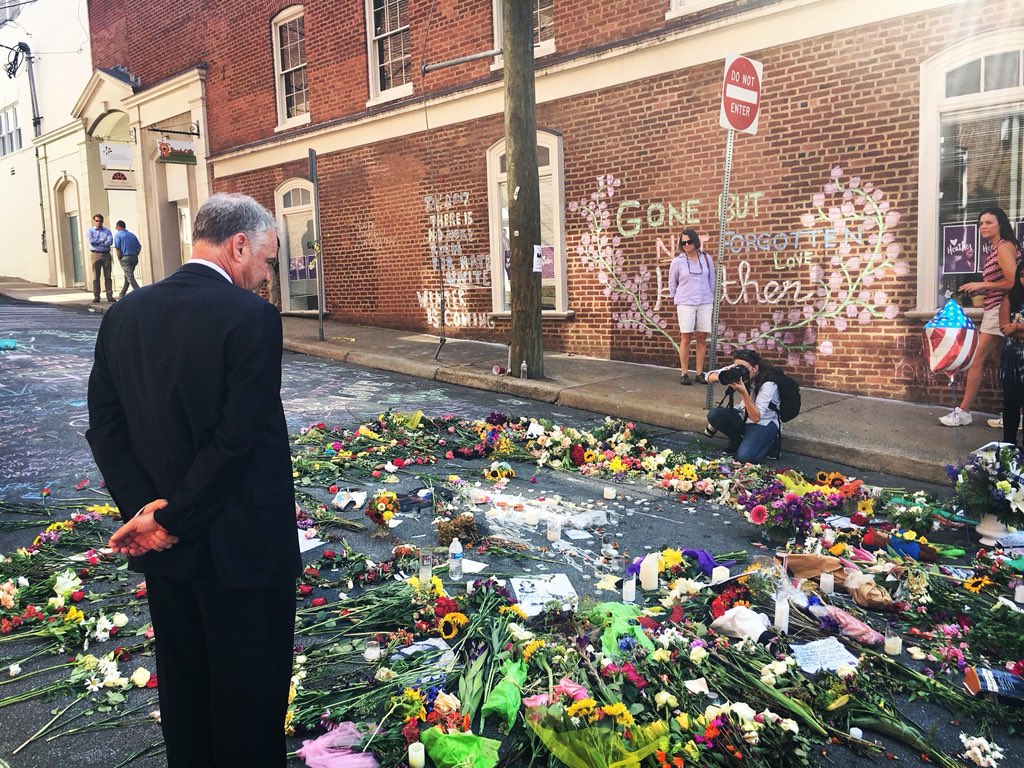
The car struck a group of people marching away from a skirmish near Fourth Street. Heather Heyer, a counter-protester, died at the scene after being struck by the vehicle; nearly twenty other people were injured. Eyewitnesses, law enforcement officials, and later prosecutors described the vehicle impact as intentional. The incident abruptly shifted the rally from street clashes to a criminal investigation and intensified public attention on political violence in the United States. For reporting focused on Heyer and memorials that followed, see Heather Heyer.
Legal aftermath
The driver was taken into custody at the scene. He was charged in criminal proceedings and ultimately convicted on multiple counts; prosecutors treated the attack as an act of criminal violence with hate-related elements. The defendant received a life sentence after trials and prosecutions at different levels of the U.S. justice system. The case included both state and federal charges and became a focal point for discussions about domestic extremism, criminal accountability, and the use of vehicular assaults as a method of attack.
Broader impact and reactions
The attack intensified national debate about the presence and prominence of Confederate symbols, monuments, and the rhetoric of white supremacist and extremist movements. Political leaders, civic groups, universities, and municipal governments confronted questions about public safety, the policing of demonstrations, and the future of contested monuments. Many institutions and organizations reviewed policies relating to symbols associated with the Confederacy and white supremacy.
Policy responses and lasting significance
Beyond legal penalties for the perpetrator, the events in Charlottesville influenced institutional policies and public discourse. For example, in the context of the broader protests and reassessments of Confederate iconography that followed in subsequent years, military and civilian organizations adopted new rules or clarified standards regarding symbols perceived to be divisive. The United States Marine Corps issued guidance restricting display of the Confederate battle flag at its facilities, explicitly citing incidents such as the violence in Charlottesville as part of the rationale; see the United States Marine Corps announcement and broader context during the George Floyd protests.
Notable distinctions
- The attack occurred within a larger event that was itself organized to oppose the removal of Confederate monuments and to rally various far-right groups.
- The fatality and injuries transformed the incident from a local disturbance into a national flashpoint about political extremism, public symbols, and the limits of protected protest.
- Subsequent prosecutions addressed both the criminal act of driving into the crowd and broader questions about motivation and hate-related conduct.
The Charlottesville car attack remains a reference point in discussions about domestic extremism, the policing of demonstrations, and how public institutions respond to symbols and rhetoric that many find divisive. It prompted sustained media attention, legal proceedings, memorial events, and institutional policy reviews aimed at preventing similar violence in the future.
Questions and answers
Q: When did the Charlottesville car attack occur?
A: The Charlottesville car attack occurred on August 12, 2017.
Q: How many people were killed and injured during the Charlottesville car attack?
A: Heather Heyer died and 19 others were injured during the Charlottesville car attack.
Q: Who was responsible for the Charlottesville car attack?
A: James Alex Fields Jr. was responsible for the Charlottesville car attack.
Q: What were James Alex Fields Jr.’s beliefs?
A: James Alex Fields Jr. had previously expressed neo-Nazi and white supremacist beliefs.
Q: What was the outcome of James Alex Fields Jr.’s trial?
A: James Alex Fields Jr. was arrested and sentenced to life in prison.
Q: What did the United States Marine Corps announce in regards to the Confederate flag?
A: The United States Marine Corps announced a rule against showing the Confederate flag at their bases.
Q: Why did the United States Marine Corps make the rule against showing the Confederate flag at their bases?
A: The United States Marine Corps made the rule against showing the Confederate flag at their bases because events like the violence in Charlottesville in 2017 highlight the divisiveness the use of the Confederate battle flag has on our society.
Related articles
Author
AlegsaOnline.com Charlottesville car attack (Unite the Right rally, August 12, 2017) Leandro Alegsa
URL: https://en.alegsaonline.com/art/18846