
Charlottesville, Virginia
Independent city in central Virginia known for the University of Virginia, Thomas Jefferson's Monticello, a historic downtown and for drawing national attention after the 2017 Unite the Right rally.
Overview
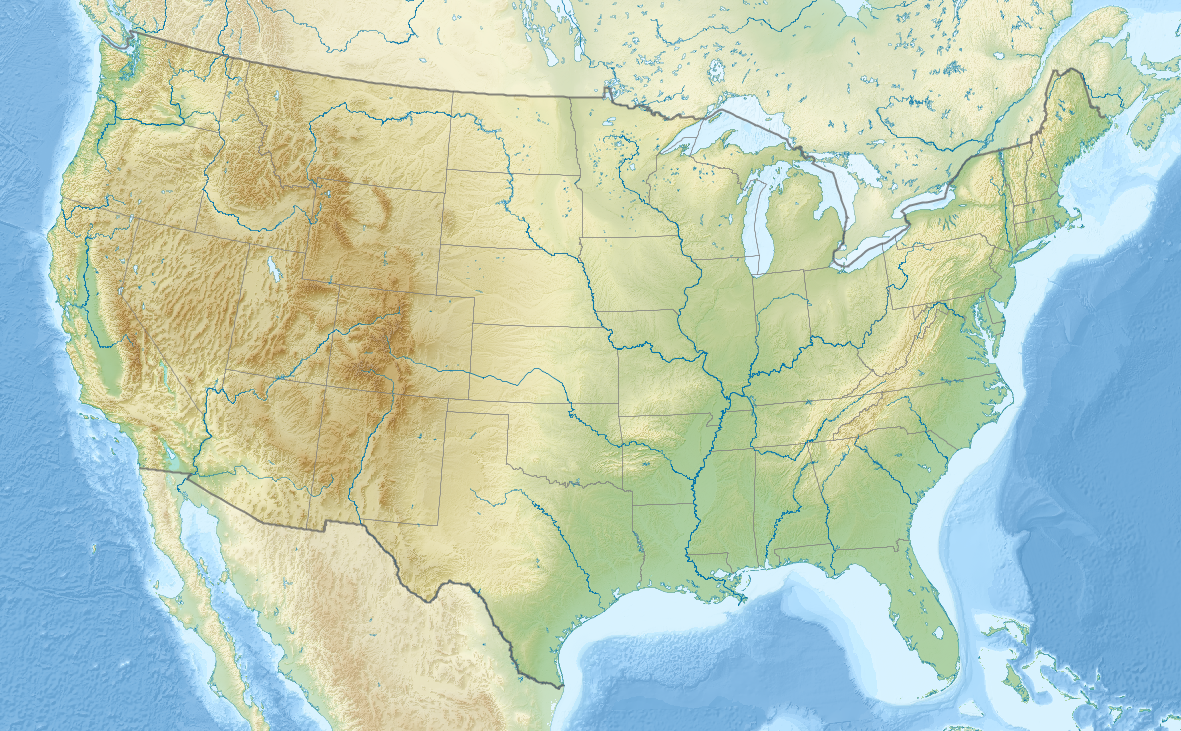
Charlottesville is an independent city in the Commonwealth of Virginia, located in the Piedmont region of the United States. It is named for Charlotte of Mecklenburg-Strelitz, queen consort to King George III. The city functions as a regional center for education, culture and tourism and has a municipal population in the tens of thousands, with a broader metropolitan and county population that is larger. Charlottesville serves as the legal seat for Albemarle County, though as an independent city it is governed separately.
Image gallery
10 Images


Geography and characteristics
Charlottesville sits near the foothills of the Blue Ridge Mountains and along the Rivanna River. Its central thoroughfares and the Downtown Mall—one of the longest pedestrian malls in the United States—are lined with restaurants, shops and performance venues. The city blends historic neighborhoods, modern university precincts and surrounding agricultural land, creating a mix of urban amenities and rural scenery that attracts visitors and residents alike.
History and notable landmarks
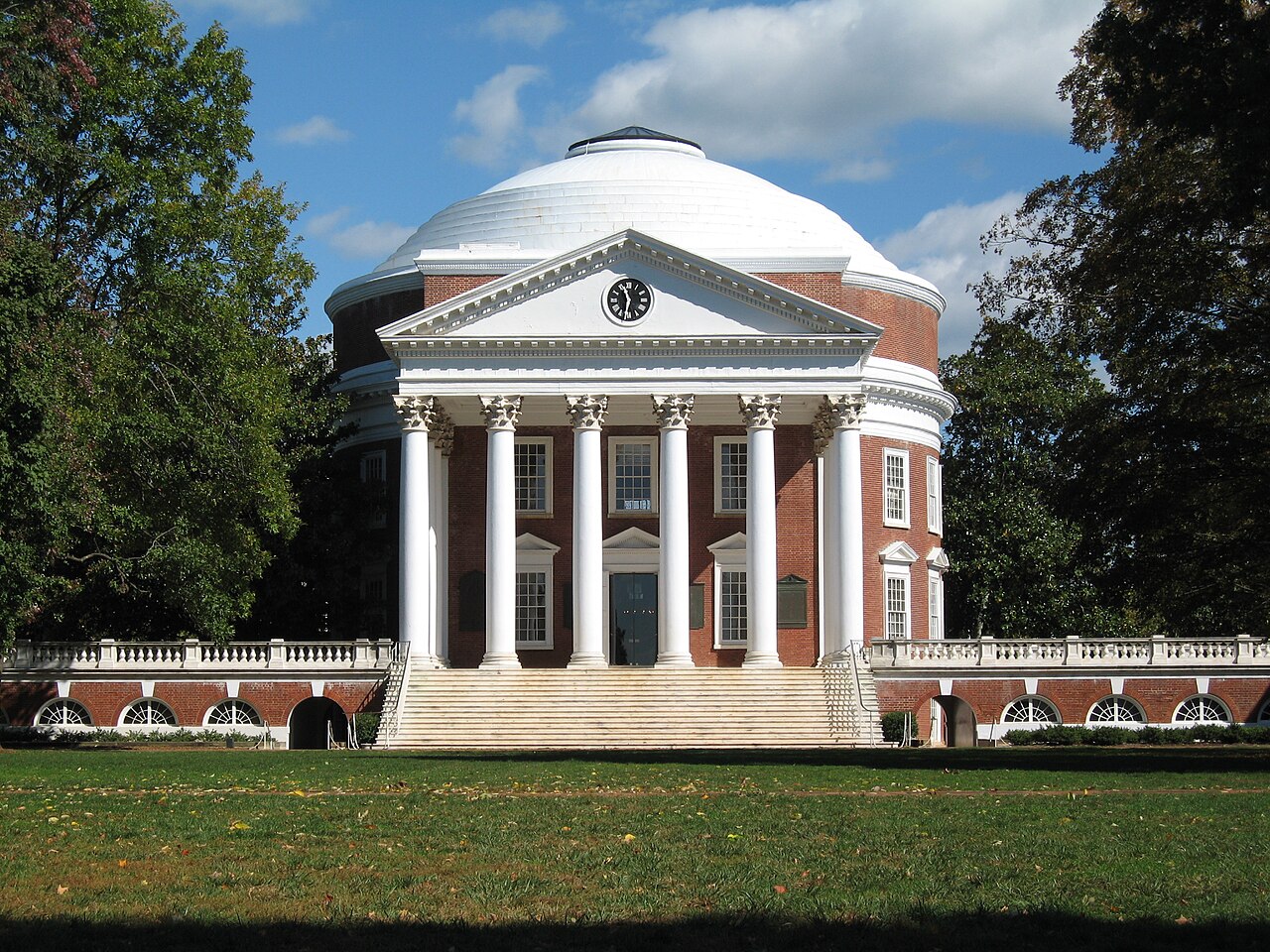
Charlottesville's history is closely tied to early American statesmen and the founding period. Three presidents associated with early national leadership—Three American presidents—have strong ties to the area: Thomas Jefferson, James Madison and James Monroe. Thomas Jefferson founded the University of Virginia and built Monticello, his plantation home. Monticello and the original core of the University of Virginia are internationally recognized and together form a UNESCO World Heritage site, attracting scholars and tourists.
Education and cultural life
The University of Virginia (UVA), established in the early 19th century, is a central institution for academics, medicine and research. Jefferson's Monticello (Monticello) and the university's Rotunda are prominent architectural and cultural attractions. Charlottesville hosts festivals, performing arts, a community of independent bookstores, and food and wine events that reflect the agricultural surroundings and the city’s intellectual community.
Notable places
- Monticello — Thomas Jefferson's home, museum and gardens.
- University of Virginia — campus, schools and medical center.
- Historic Downtown Mall and local cultural venues.
2017 rally and civic aftermath
In August 2017 Charlottesville became the focus of national attention when a protest known as the Unite the Right rally brought together various far-right groups, including the Ku Klux Klan and neo-Nazi contingents, to oppose removal of a statue of Robert E. Lee. The gathering provoked counter-demonstrations and violent confrontations. In a particularly tragic incident, a vehicle was driven into a group of counter-protesters (a car driven into a crowd), killing Heather Heyer and injuring others; Heather Heyer is remembered as Heather Heyer. The events prompted sustained local and national discussion about public memory, monuments, public safety and civic leadership.
Economy and significance
Charlottesville's economy rests on a combination of higher education, healthcare, tourism and small-to-medium enterprises. The presence of a major public university and related research and medical facilities supports employment and cultural programming. The city's historical associations, academic institutions and scenic setting make it both a local hub and a destination for visitors interested in American history, architecture and outdoor recreation.
Tags
Related articles
Author
AlegsaOnline.com Charlottesville, Virginia Leandro Alegsa
URL: https://en.alegsaonline.com/art/18847