
Turkestan: Historical and Geographic Overview
Turkestan is a historical region of Central Asia—literally 'Land of the Turks'—covering territories now in several countries. This article outlines its geography, peoples, history, and modern divisions.
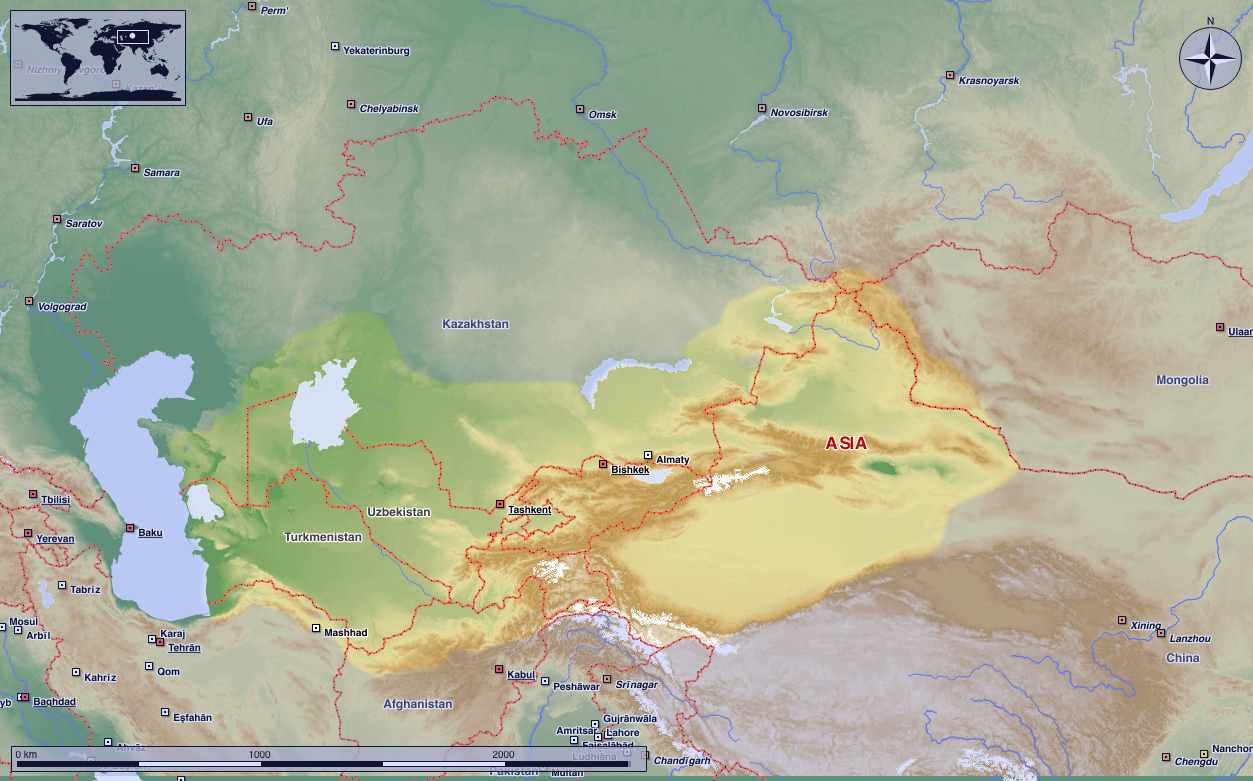
Turkestan (names in regional languages include Türkistan in Turkish, Түркістан in Kazakh, Turkiston in Uzbek, Türküstan in Turkmen, ترکستان in Persian and 突厥斯坦 in Chinese) is a broad historical and cultural region of Central Asia. The name means "Land of the Turks" and has been applied at different times to areas north and south of the high mountain ranges that separate the Eurasian steppe from the Iranian plateau and the Chinese interior.
Image gallery
8 Images


Geography and extent
Geographically Turkestan traditionally spans the steppes, deserts and oases of Central Asia, stretching toward the Caspian Sea in the west and the Aral Sea basin to the northwest. Boundaries are not fixed: some definitions focus on the river-fed oasis cities of the Tarim and Syr Darya basins, others include upland corridors and adjacent plains.
Historical development
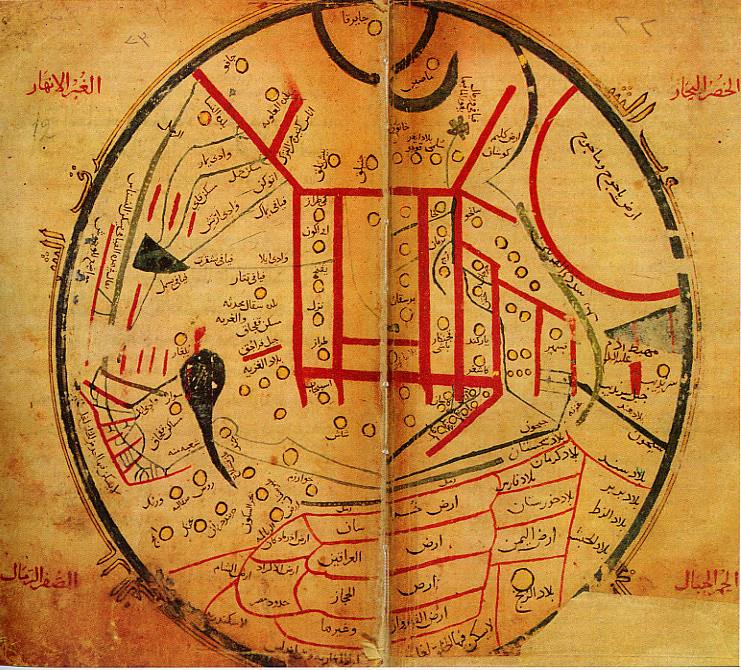
The region has a long history as a crossroads of trade, migration and empire. It hosted Silk Road cities, nomadic confederations and successive imperial domains. In the 19th and 20th centuries parts of Turkestan were incorporated into the Russian Empire and later the Soviet Union, while other parts fell under Chinese, Persian or Afghan rule. These political changes reshaped administration and identity in the region.
Peoples and culture
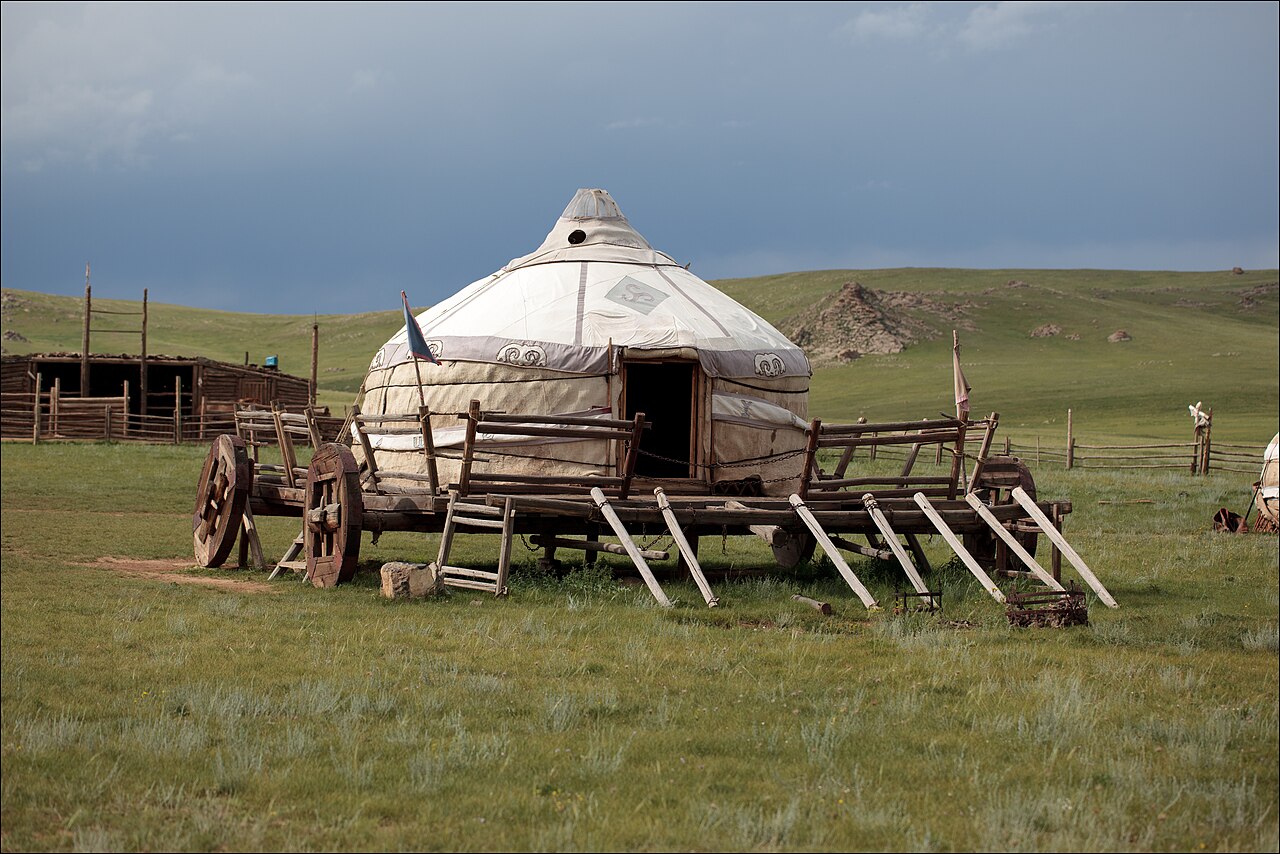
Turkestan is ethnically and linguistically diverse. Turkic-speaking groups are prominent, but the area also includes Turks in the historical sense, Chinese populations in eastern sectors, Mongols in northern and steppe zones, and Persians or Iranian-speaking peoples in southern margins. Islam, nomadic traditions, urban craftsmanship and Silk Road heritage are major cultural threads.
Modern divisions and significance
Today Turkestan is divided among several modern states. Common regional terms include Western or Russian/Soviet Turkestan, Transoxiana, and the area of Xinjiang in China (sometimes referred to in historical or political contexts as East Turkestan). The region remains important for energy resources, trade routes, agriculture in irrigated oases, and for its strategic position between major powers.
Further notes
- Definitions vary by discipline: historians, geographers and local communities may emphasize different boundaries and meanings.
- Many cities and cultural sites in Turkestan preserve layers of premodern and modern history that reflect the region's role on continental routes of exchange.
- For additional regional studies and sources, see related entries and bibliographies represented here: regional names, Central Asia, and modern political overviews at Soviet-era histories.
Related articles
Author
AlegsaOnline.com Turkestan: Historical and Geographic Overview Leandro Alegsa
URL: https://en.alegsaonline.com/art/102086