
Turbot (Scophthalmus maximus): Ecology, Distribution, and Culinary Value
Turbot (Scophthalmus maximus): a large demersal flatfish of the NE Atlantic, Baltic and Mediterranean coasts, prized for firm white flesh; caught wild and farmed and sold as a high-value seafood.
Turbot (Scophthalmus maximus) is a sizeable, flattened marine fish classified among the flatfish. It is a demersal species that typically lives on or near the seabed in marine and brackish environments.
Image gallery
8 Images

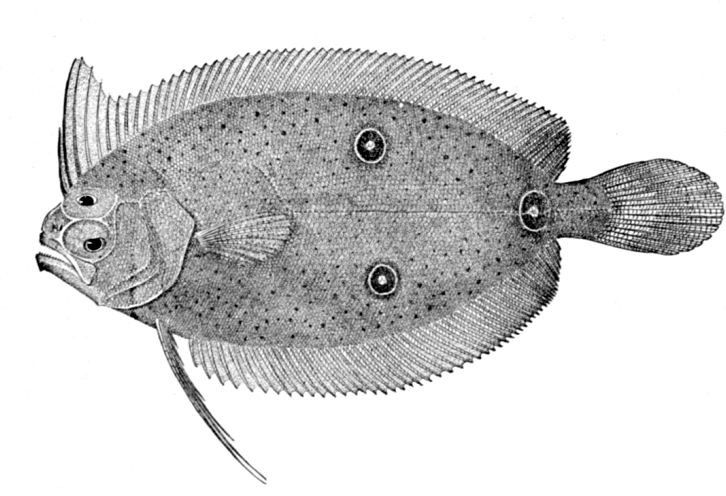


Distribution and habitat
Turbot occur around the coasts of the northeastern Atlantic and in adjacent seas. Their natural range includes the Baltic Sea and the Mediterranean Sea, where they favour sandy or muddy bottoms at a variety of depths.
Use by people
Valued as a food fish, turbot are sought after for their firm, white flesh and relatively delicate flavour. They are captured by commercial fisheries and are also produced through aquaculture in several countries. Because of their culinary reputation and limited supply, turbot often sell at premium prices in markets and restaurants.
Post-capture handling
To preserve the pale colour and quality of the flesh, professional fishermen commonly bleed turbot by making a small cut through the bone near the tailfin. Allowing blood to drain in this way helps prevent darkening of the meat. Keeping the fish stored upside down is another traditional method used to maintain the underside’s whiteness.
- Scientific name: Scophthalmus maximus.
- Habitat: bottom-dwelling in temperate coastal waters.
- Human use: wild-caught and farmed for food; considered a high-value seafood.
Related articles
Author
AlegsaOnline.com Turbot (Scophthalmus maximus): Ecology, Distribution, and Culinary Value Leandro Alegsa
URL: https://en.alegsaonline.com/art/102064