
Turkish Van (cat breed): origin, appearance, behavior and care
A concise encyclopedia entry on the Turkish Van: origins around Lake Van, distinctive 'Van' coat pattern, affinity for water, seasonal coat changes, temperament, care, health considerations and breed recognition.
Overview
The Turkish Van is a domestic cat breed associated with the Lake Van region of eastern Turkey. Historically a regional landrace adapted to the local environment, it became a standardized breed in the 20th century. The type is known for a muscular build, a predominantly white body with colored markings on the head and tail (the so-called "Van" pattern), and an unusual reputation for enjoying water.
Image gallery
10 Images




Appearance and coat
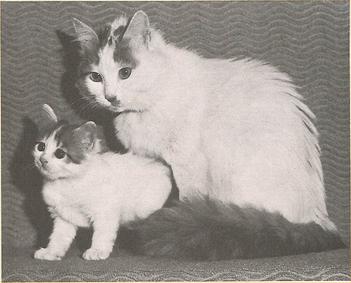
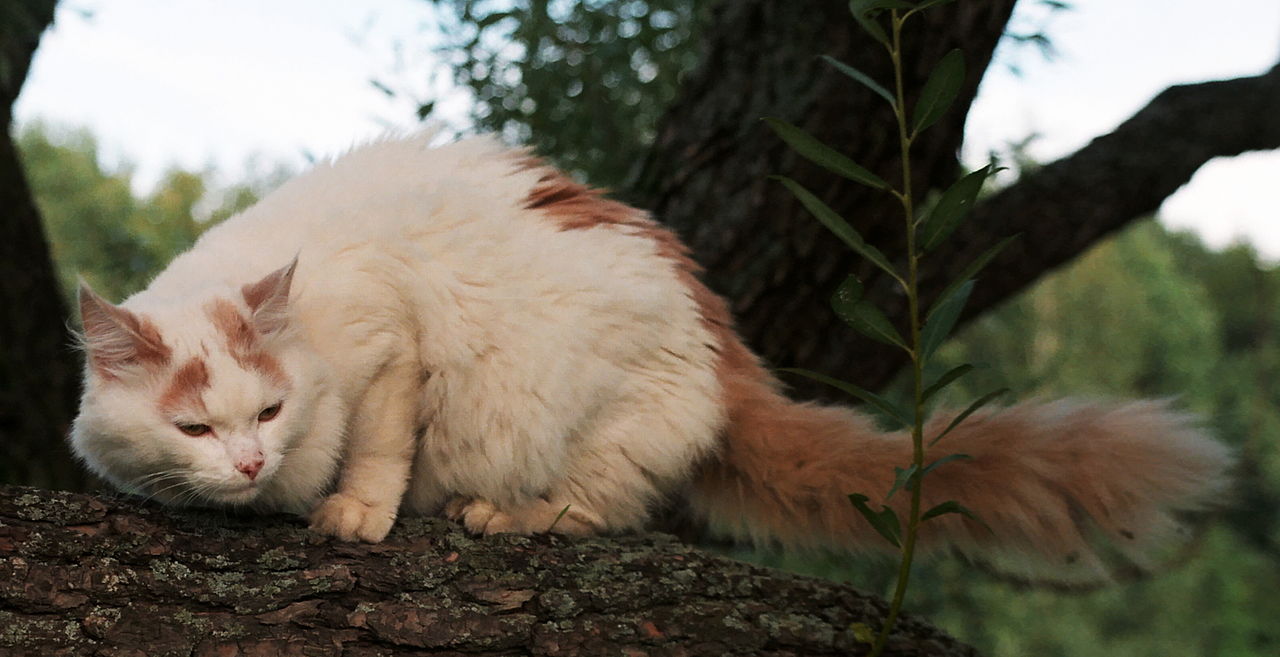
Turkish Vans typically have a semi-long, silky coat that is full and insulating in cold weather and lighter in summer. This seasonal change reflects adaptation to the continental climate of the Lake Van basin. Eye color may be amber, blue, or odd-eyed (one eye of each color). The breed’s overall conformation tends toward athletic and substantial rather than delicate.
Origin and development
The breed originates from the communities around Lake Van. For many generations these cats existed as a natural local type rather than a formally bred strain. In the mid-20th century, specimens were exported and breeders in Europe and elsewhere established a consistent standard while retaining the characteristic pattern and temperament. The local environment and human use influenced both appearance and behavior.
Behavior and temperament
Turkish Vans are often described as active, intelligent and curious. They are usually playful into adulthood and enjoy interactive toys and climbing structures. A frequently cited trait is a comfort with water: many individuals will play with water, splash at bowls or even swim, a behavior that fits accounts of summer cooling in their area of origin.
Care and health
Grooming needs vary with the season. Owners typically brush more during autumn and spring to manage shedding, while summer coats require less work. Regular veterinary care, dental attention and preventive screening are important. Responsible breeders recommend health checks and may screen for conditions known in domestic cats; maintaining genetic diversity helps reduce inherited problems.
Recognition and practical notes
The Turkish Van is recognized by several international cat registries and has a modest presence in the cat fancy. Prospective owners should consider activity needs and provide environmental enrichment, secure outdoor access if allowed, and safe opportunities to explore water if the cat shows interest. For further reading on regional influences, see material on the local climate, on the nature of their fur, and typical shedding patterns.
Questions and answers
Q: Where does the Turkish Van come from?
A: The Turkish Van comes from Turkey.
Q: How long has the Turkish Van lived in the Lake Van area of Turkey?
A: The Turkish Van has lived in the Lake Van area of Turkey for hundreds of years.
Q: Why is the Turkish Van named the Turkish Van?
A: The Turkish Van is named the Turkish Van because it comes from the Lake Van area of Turkey.
Q: What is the climate like in the Lake Van area of Turkey?
A: The Lake Van area of Turkey has long, cold winters and hot summers.
Q: How has the Turkish Van adapted to the climate in the Lake Van area of Turkey?
A: The Turkish Van has adapted to the climate in the Lake Van area of Turkey by developing a thick, full fur coat in the winter and shedding in the summer to become a short-haired cat. It also swims in the summer to cool itself off and the thin summer coat dries quickly.
Q: What is unique about the coat of the Turkish Van?
A: The coat of the Turkish Van is thick and full in the winter but thin and short in the summer.
Q: How does the Turkish Van cool itself off in the summer?
A: The Turkish Van cools itself off in the summer by swimming.
Related articles
Author
AlegsaOnline.com Turkish Van (cat breed): origin, appearance, behavior and care Leandro Alegsa
URL: https://en.alegsaonline.com/art/102109
Sources
- petmd.com : "Turkish Van: Physical Characteristics"
- cats.animal-world.com : "Turkish Van Cats"