
Turkish Angora: origin, characteristics, and distinctions
A graceful, ancient cat breed from Turkey known for its fine, silky coat, elegant build, lively temperament, and frequent white coloration with striking eye colors.
The Turkish Angora is an old and distinctive cat breed that developed in the region around Ankara in central Turkey. Bred for its refined appearance and lively personality, the Angora is often associated with long, silky white fur but occurs in a variety of colors and patterns. It is prized both as a companion animal and a show cat for its graceful outline and flowing tail.
Image gallery
10 Images


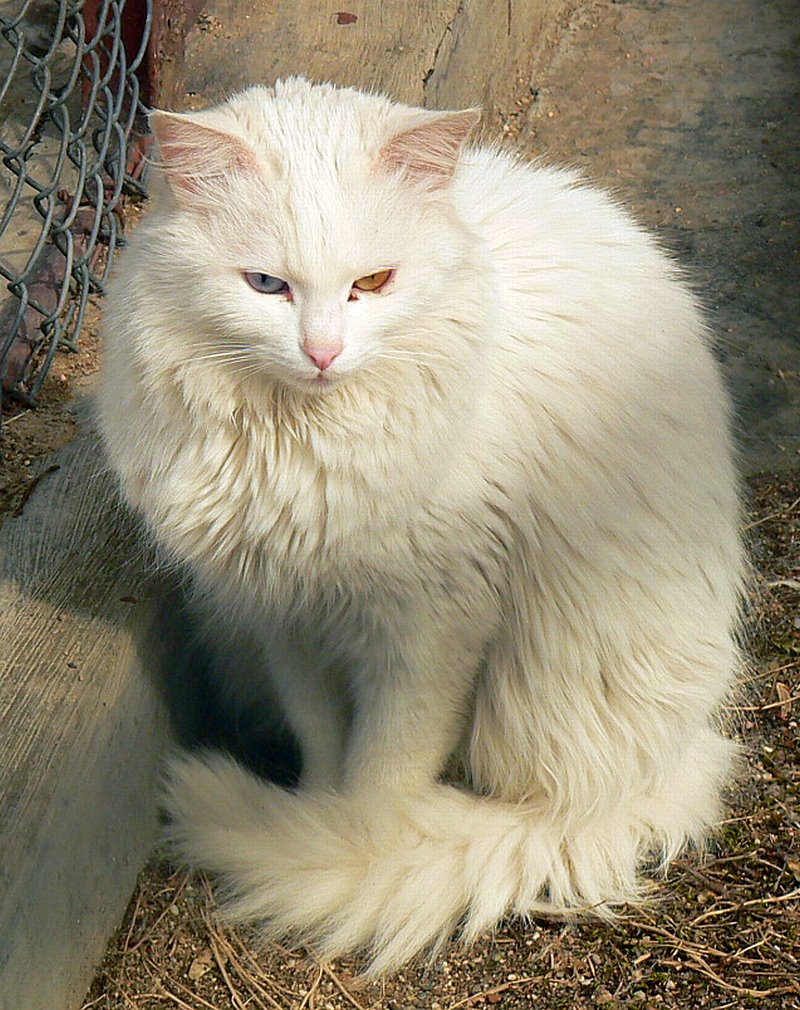


Physical characteristics
Angoras are generally medium-sized and lithe, with a fine-boned, muscular build. Key traits include a wedge-shaped head, large ears, almond-shaped eyes, and a long, plumed tail. Their coat is single-layered and silky rather than dense or woolly, which gives it a distinct texture from some other longhair breeds; this aspect is often noted when comparing their fur to that of other cats.
- Coat: medium to long, fine and silky, often appears snow-white but comes in many colors.
- Eyes: commonly green, amber or blue; heterochromia (two different colored eyes) is not unusual.
- Build: elegant, agile, with a long tail that resembles a plume.
History and development
As its name implies, the Turkish Angora has historical ties to the Ankara area (formerly called Angora). The breed has been noted in travel accounts and natural history for centuries and became known in Europe and beyond through early exports. Interest from breeders and cat fancier organizations helped standardize its appearance, while conservation initiatives in Turkey have sought to preserve its genetic lines.
Temperament and uses
Angoras are active, curious and sociable. They typically form strong bonds with people and enjoy play and interactive toys. Because of their intelligence and showy appearance they are popular in cat shows and as affectionate household companions. Their coat requires regular but not extreme grooming due to the lack of heavy undercoat.
Distinctions and notable facts
The Turkish Angora is often compared with the Turkish Van, another Turkish breed. Although both have roots in the same country, they differ in body type, coat structure and typical markings: Vans are usually heavier and are known for a distinctive colored pattern, while Angoras tend to be more slender with a single-layer silky coat. For more breed standards and care guidance see resources linked here: breed overview, regional history, and coat information.
Related articles
Author
AlegsaOnline.com Turkish Angora: origin, characteristics, and distinctions Leandro Alegsa
URL: https://en.alegsaonline.com/art/102103