
Demersal: organisms that live on or near the bottom of water bodies
Demersal animals live on or close to the beds of seas and lakes. This article explains their habitats, biology, differences from pelagic and benthic organisms, fisheries relevance, and human impacts.
Overview
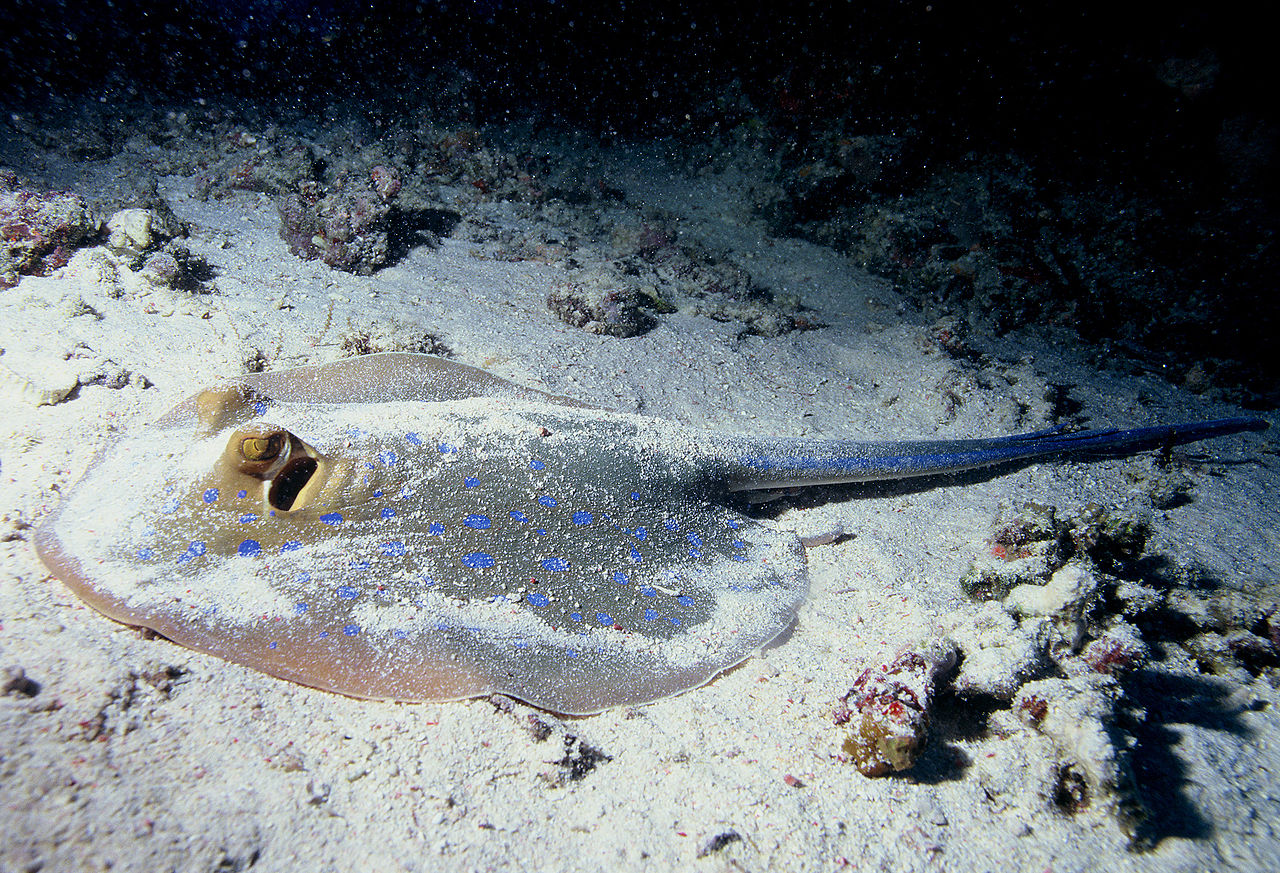
Demersal organisms are animals that live on or close to the bottom of oceans, seas and lakes. The term is most commonly applied to fish but also includes many crustaceans, cephalopods and other bottom-associated animals. Demersal species contrast with pelagic animals that inhabit the open water column and with strictly benthic forms that are sessile or live within the substrate.
Image gallery
10 Images





Habitats and substrate
Demersal animals occupy a wide range of bottom environments, from shallow coastal zones to the slopes of ocean basins. They are typically associated with beds made of mud or silt, sand, gravel and rocks. In coastal settings they are often found on or near the continental shelf, while in deeper regions they occur along the continental slope or rise and around isolated features such as seamounts and island slopes. They are common in both the open sea and inland lakes, occupying niches determined by substrate type, depth, oxygen levels and food availability.
Characteristics and behavior
Many demersal fish are adapted to life near the bottom: flattened bodies, downward-facing mouths, cryptic coloration and barbel-like sensory organs are common. They are often bottom feeders, consuming invertebrates, detritus or other fish. Demersal invertebrates such as crabs and shrimps live on or within sediments and may burrow or crawl. Reproductive strategies vary, from broadcast spawning in some species to brooding or nest-guarding in others.
Examples and distinctions
- Examples: a variety of commercial fish are demersal, including many flatfish, cod-like species and skates or rays; many decapod crustaceans are also demersal.
- Demersal vs pelagic: demersal organisms are associated with the bottom, while pelagic fish live in open water away from the seabed.
- Benthic vs demersal: the term "benthic" broadly covers life on and in the seabed, whereas "demersal" emphasizes animals that live close to or move along the bottom but may not be strictly substrate-bound.
Human uses and ecological importance
Demersal species are central to many coastal and deepwater fisheries. Their flesh often has lower oil content than pelagic species—demersal fillets typically contain relatively little oil compared with open-water fish—and this affects culinary and processing choices. Demersal communities contribute to nutrient cycling, sediment mixing and food webs that sustain larger predators and scavengers.
Conservation, fishing impacts and notable facts
Bottom trawling and other heavy fishing methods can severely alter demersal habitats by disturbing substrates and reducing biodiversity. Conservation measures include gear restrictions, protected areas and catch limits intended to preserve sensitive benthic ecosystems. The word "demersal" derives from the Latin verb demergere, meaning to sink, reflecting these animals' close association with the seafloor. For further background on coastal dynamics, substrates and related ecology see resources on sand, gravel and rocks, and general coastal marine processes at coastal information portals.
Additional reading and databases that compile species records, distribution data and fisheries statistics can be consulted via links to regional inventories and scientific summaries (sea resources, lake resources, and species-specific pages at fish databases) for practical identifications and management guidance.
Questions and answers
Q: What are demersal animals?
A: Demersal animals are those that live on or near the bottom of the sea or lakes, usually fish.
Q: What type of sea floors do demersal animals occupy?
A: Demersal animals usually occupy sea floors and lake beds that consist of mud, sand, gravel or rocks.
Q: Where are demersal animals found in coastal waters?
A: Demersal animals are found in coastal waters on or near the continental shelf.
Q: Where are demersal animals found in deep waters?
A: Demersal animals are found in deep waters on or near the continental slope or along the continental rise.
Q: Are demersal animals generally found in the deepest waters?
A: No, demersal animals are not generally found in the deepest waters, such as abyssal depths or on the abyssal plain.
Q: What does the word 'demersal' mean?
A: The word 'demersal' comes from the Latin word 'demergere', meaning to sink.
Q: How do demersal fish differ from pelagic fish?
A: Demersal fish are bottom feeders, while pelagic fish live and feed away from the bottom in the open water column. Additionally, demersal fish fillets contain little fish oil (one to four percent), whereas pelagic fish fillets can contain up to 30 percent.
Related articles
Author
AlegsaOnline.com Demersal: organisms that live on or near the bottom of water bodies Leandro Alegsa
URL: https://en.alegsaonline.com/art/26467
Sources
- teara.govt.nz : Carl . "Coastal fish - Fish of the open sea floor"