
Tusk: form, function, and conservation of elongated teeth
A tusk is an enlarged, protruding tooth found in several mammal species. This article explains tusk structure, variations across species, uses in nature and history, and conservation issues related to ivory trade.
Overview
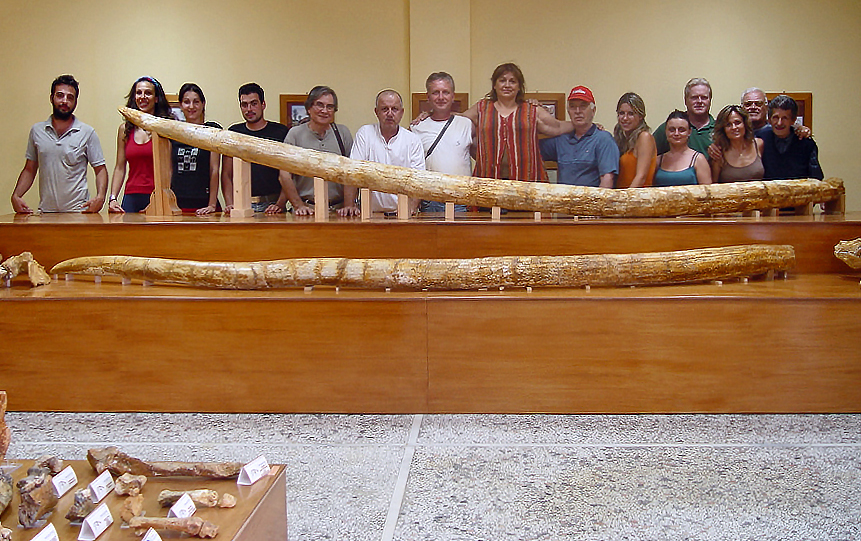
A tusk is an extended, visible tooth that projects beyond the mouth of an animal. Tusks occur in a variety of mammals and are not all the same type of tooth: in some species they are incisors, in others canines. They are composed largely of dentine, the dense, ivory-like material found in teeth, and are covered by a thin layer of enamel at the tip in some species. Tusks serve multiple roles in feeding, defense and social behavior.
Image gallery
10 Images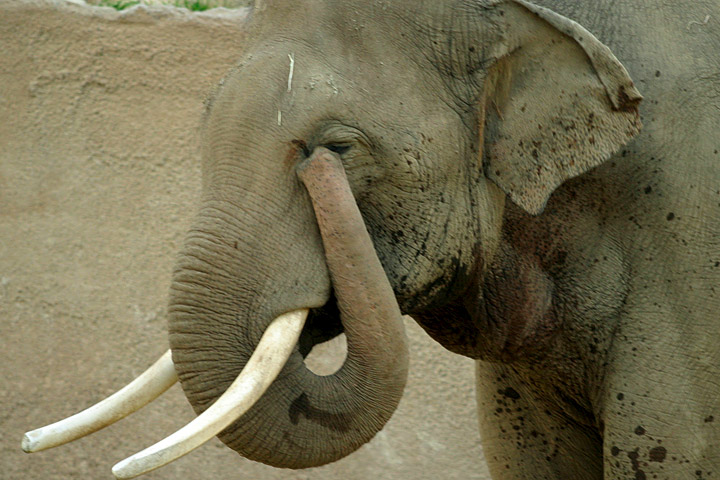




Structure and composition
Most tusks are made of compacted dentine commonly referred to as ivory. The visible portion of a tusk projects from the jaw, while a substantial root remains inside the skull. For example, in elephants roughly a third of each tusk lies within the head, anchoring it and supplying nerves and blood. Tusks grow continuously in many species and may carry growth lines that record life history.
Which animals have tusks
Several unrelated mammals have evolved tusks. Well-known examples include:
- Elephants: both African and Asian species possess prominent paired tusks (more common or larger in males in some populations).
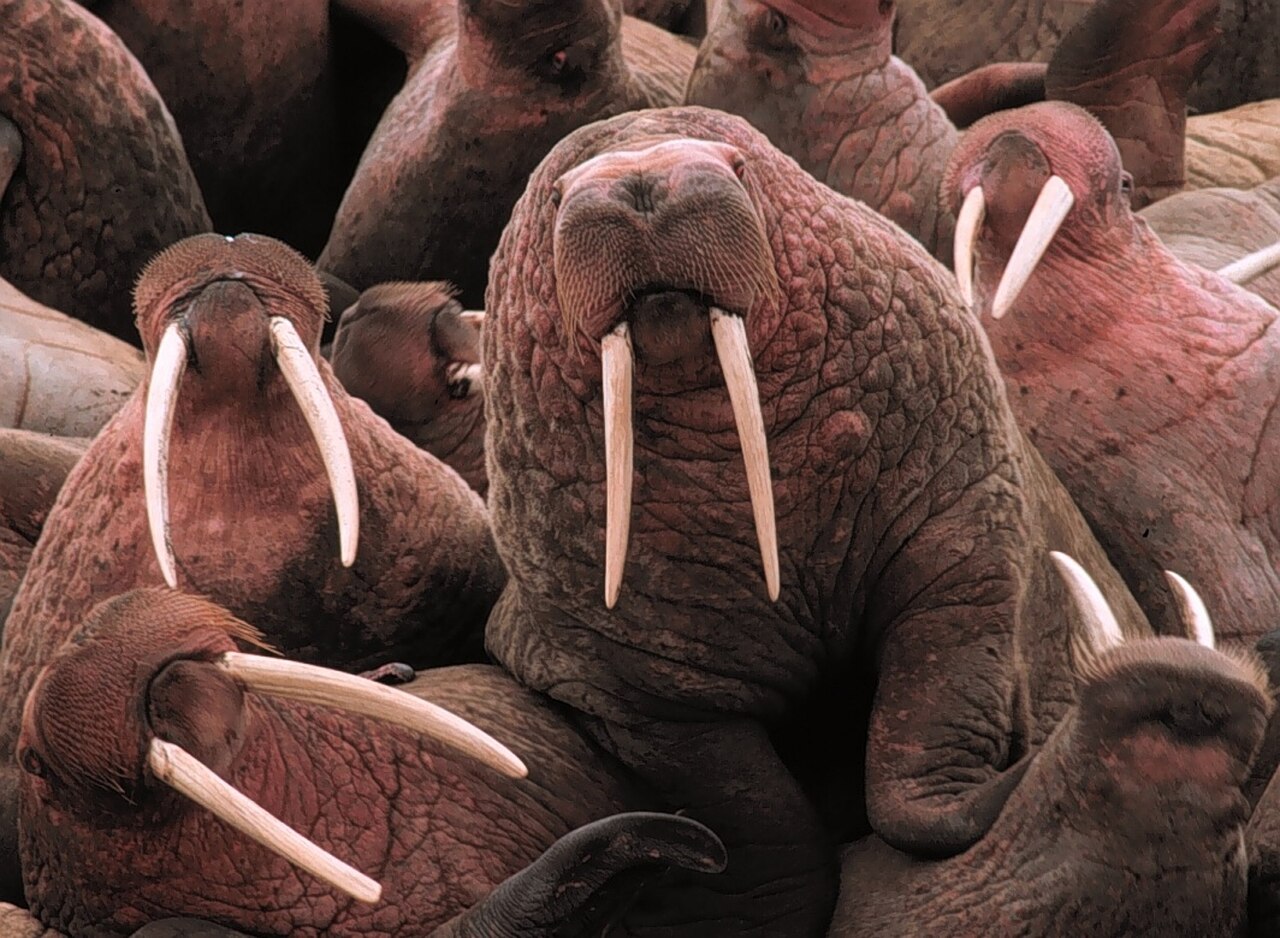
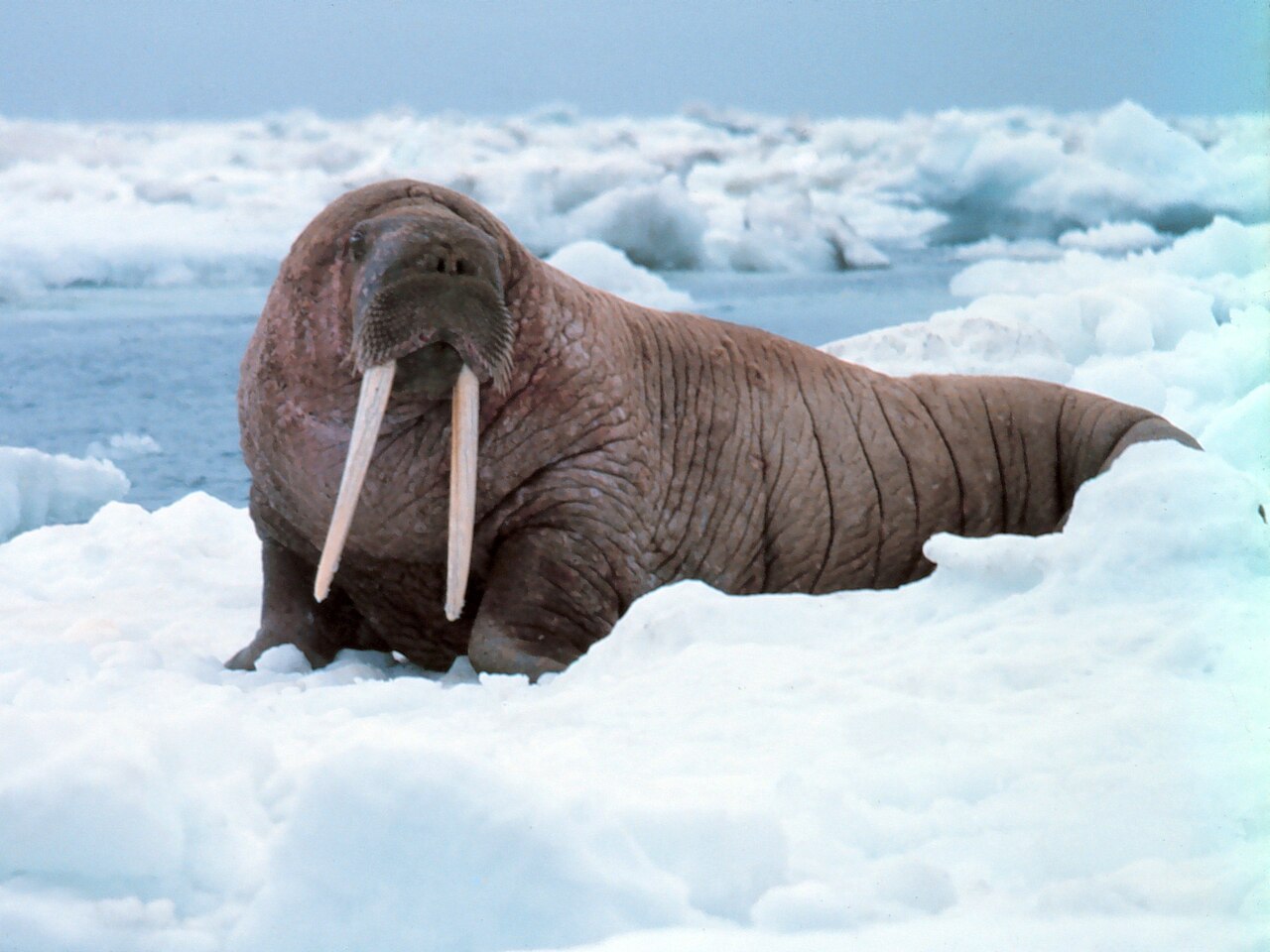
- Walruses: large upper canine tusks used for hauling out on ice and social display.
- Narwhals: a single long, spiraled tusk that is an enlarged tooth with sensory capability.
- Pigs and boars (warthogs, wild boar): upper and lower canine tusks used for rooting and fighting.
For a broader list of animals with tusks, consult species guides and scientific overviews.
Functions and behavior
Tusks are multifunctional. Common uses include digging for roots, stripping bark, lifting heavy objects, defense against predators and rivals, and display during mating contests. In some aquatic species the tusk has sensory roles; the narwhal tusk is linked to environmental sensing. The precise function varies by species and ecological context.
Human uses, threats and conservation
Because tusks contain ivory, they have long been prized for carving and ornamentation. Trade in ivory has driven poaching and population declines, most famously among elephants but also affecting other species. International and national measures regulate ivory commerce and promote conservation, while alternatives and legal restrictions aim to reduce demand. Conservation efforts include anti-poaching patrols, habitat protection and community-based programs focused on coexistence with wildlife. For information on elephant protection and policy, see resources about elephants and conservation.
Notable distinctions
Important differences exist: tusks derived from incisors behave differently from those derived from canines; not all tusks are used primarily as weapons; and sexual dimorphism often affects tusk size. Understanding these distinctions helps when studying animal behavior, ecology and the impacts of human use of ivory.
Related articles
Author
AlegsaOnline.com Tusk: form, function, and conservation of elongated teeth Leandro Alegsa
URL: https://en.alegsaonline.com/art/102165