
Marine biology: the study of life in the oceans
Marine biology is the scientific study of organisms that live in the ocean and their interactions with the marine environment, spanning ecology, behavior, physiology, and conservation.
Overview
Marine biology is the scientific discipline focused on the study of organisms that inhabit the sea. It examines how these organisms live, reproduce and interact with one another and with physical factors such as temperature, salinity and currents. Researchers integrate methods from ecology, physiology, genetics and chemistry to understand life from microscopic plankton to the largest whales.
Image gallery
10 Images

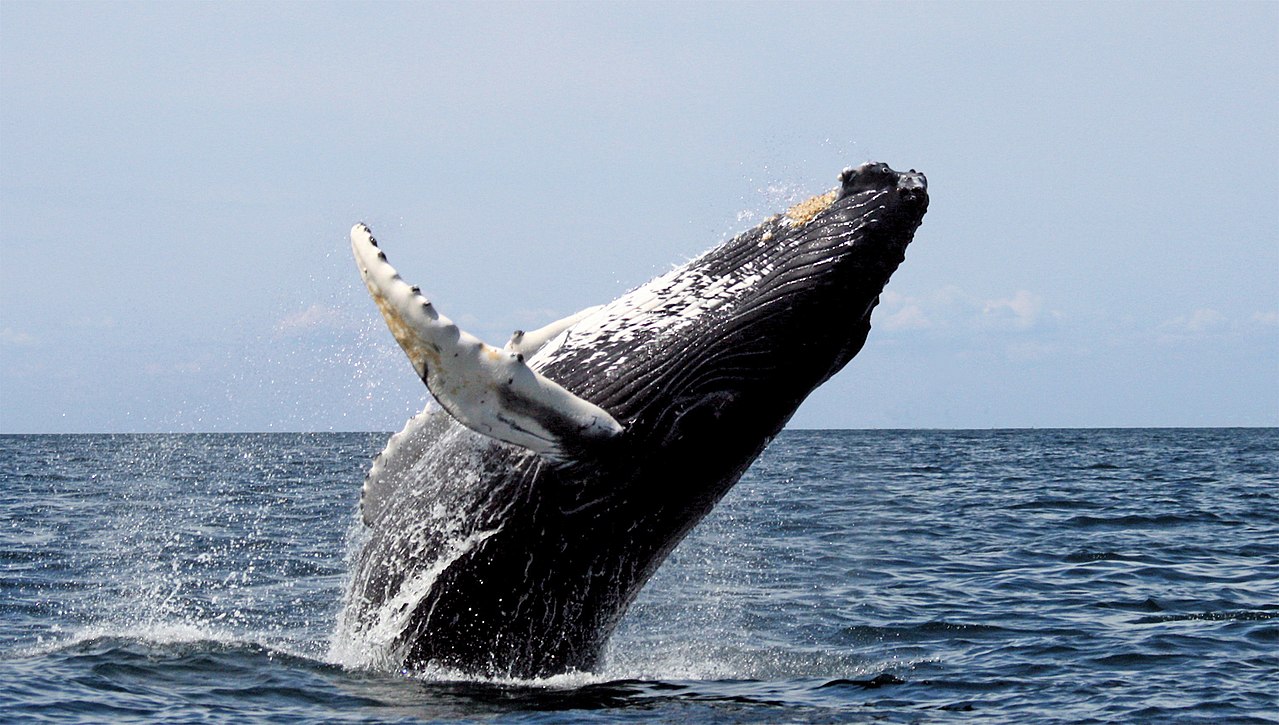





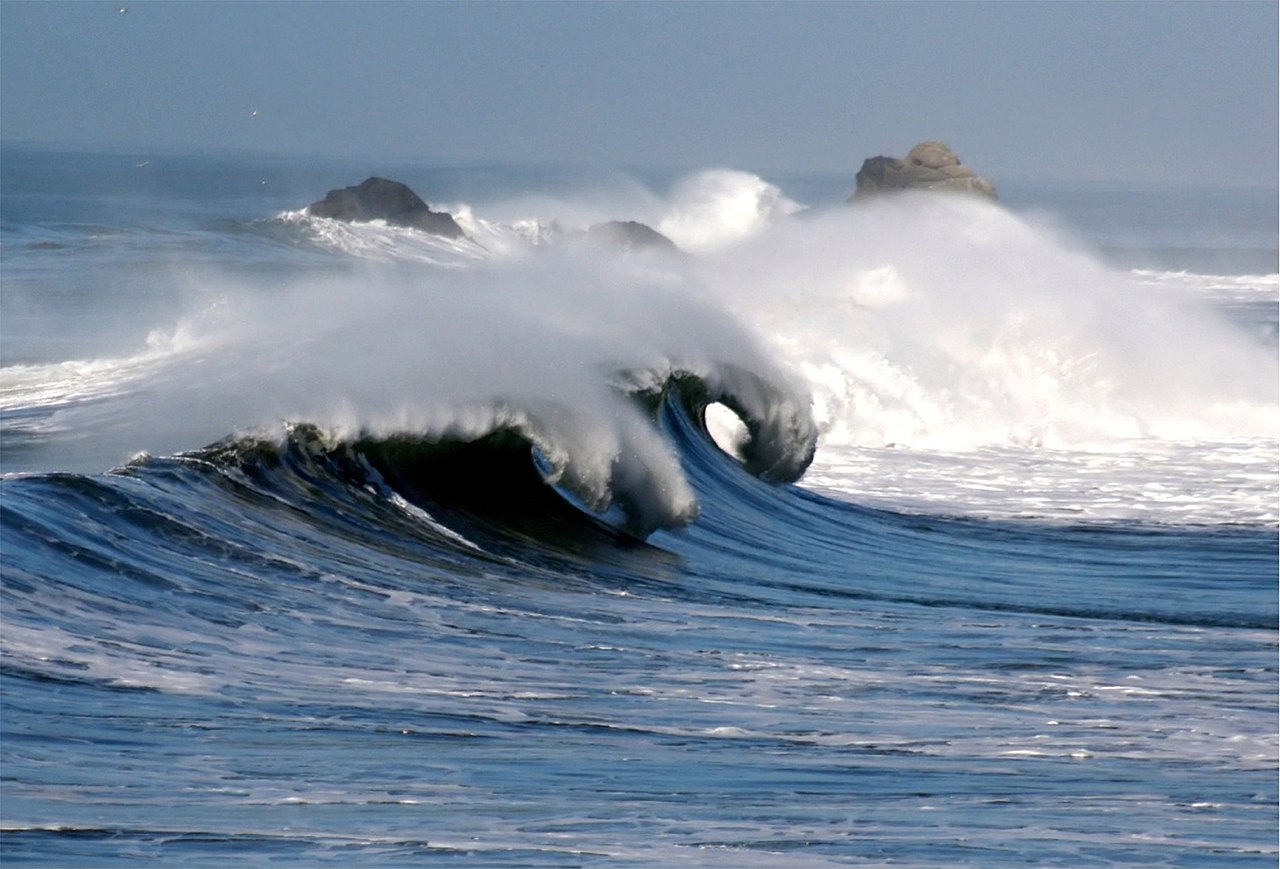

Scope and major groups
The field covers any living marine organism, whether microbe, plant or animal. Typical categories studied include:
- Primary producers (algae, seagrasses, phytoplankton)
- Invertebrates (mollusks, crustaceans, corals)
- Fishes and marine mammals
- Microorganisms and viruses that drive nutrient cycles
Methods and practice
Marine research uses observational, experimental and modeling approaches. Fieldwork on boats and from shore, remote sensing sensors, submersibles and laboratory experiments are common. Typical techniques include tagging and tracking, DNA sequencing, physiological assays and ecosystem modeling.
- Field surveys and transects
- Remote sensing and acoustic monitoring
- Molecular methods and population genetics
- Laboratory experiments and mesocosms
People and disciplines
Professional biologists often work alongside oceanographers, chemists and resource managers. The study overlaps with physical oceanography, which describes currents, waves and water chemistry that shape habitats. Collaboration is essential to address topics that span multiple scales from genes to ecosystems.
History, importance and conservation
Marine biology has roots in natural history and expanded with improved ships, diving gear and laboratory tools. Today it informs fisheries management, biodiversity protection and climate research because oceans regulate the planet’s climate and provide resources and services. Conservation biology within the marine realm focuses on threats such as overfishing, habitat loss and pollution, and develops management strategies like marine protected areas and restoration.
Distinctions and current trends
Contemporary advances include genomic monitoring, autonomous vehicles and long-term ecological observatories. The discipline balances basic questions about evolution and behavior with applied goals—sustaining fisheries, conserving coral reefs and forecasting ecological responses to a changing ocean.
Related articles
Author
AlegsaOnline.com Marine biology: the study of life in the oceans Leandro Alegsa
URL: https://en.alegsaonline.com/art/61935