
Tropical Depression One (2009)
Overview and meteorological summary of Tropical Depression One, the first cyclone of the 2009 Atlantic hurricane season, its development, impacts, and significance as an early-season system.
Overview
Tropical Depression One was the first tropical cyclone of the 2009 Atlantic hurricane season. The system developed in late May 2009 and existed briefly as a tropical depression before weakening to a remnant low. It is notable for forming before the official June 1 start of the Atlantic season, a timing shared by a small number of systems in the years immediately preceding 2009. The official analyses and public advisories were handled by the National Hurricane Center.
Image gallery
10 Images
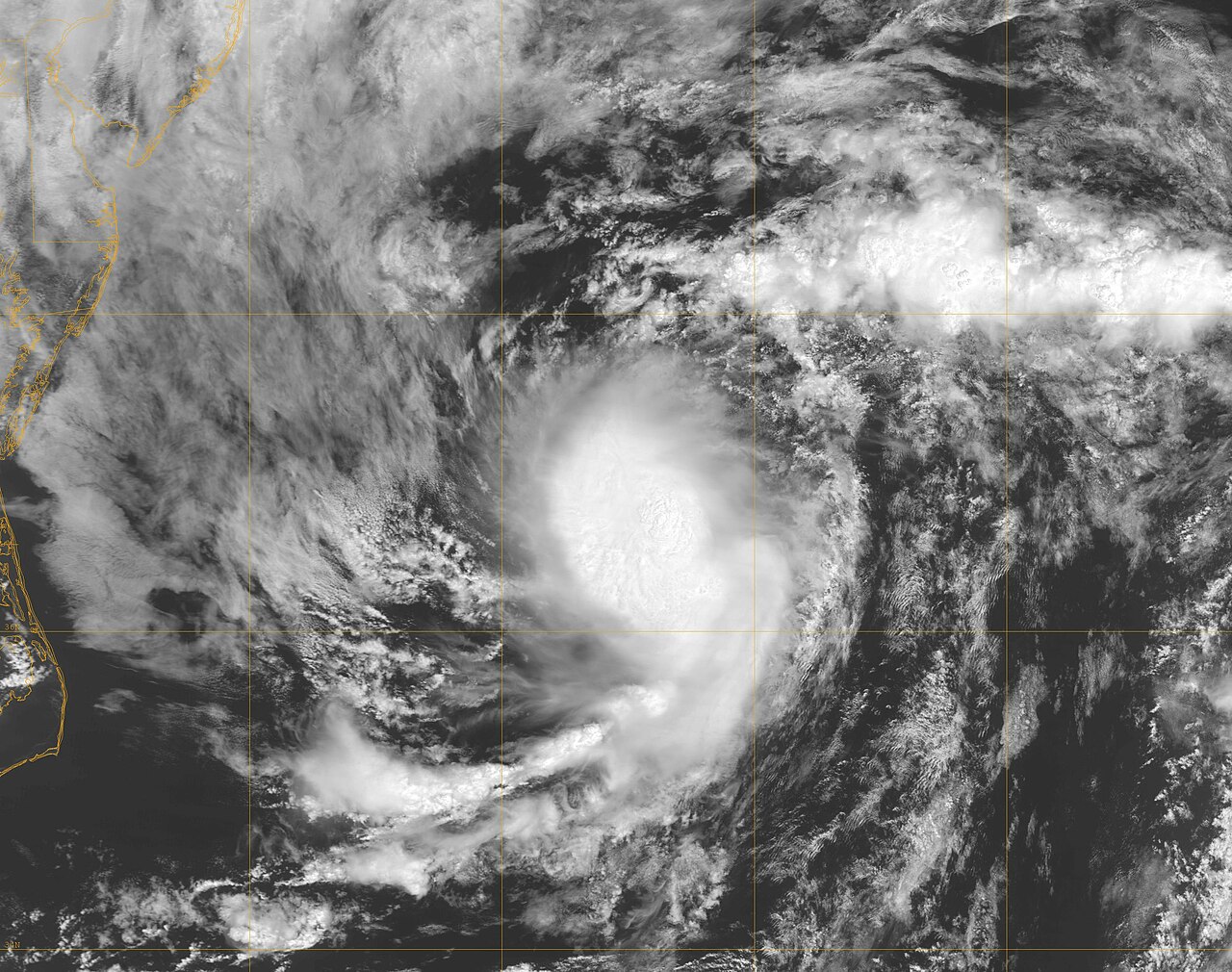


Meteorological history
The disturbance that became Tropical Depression One organized into a tropical depression on May 28, 2009. Over the next 24 hours it remained a relatively weak, short-lived system and began to lose deep convection later that day. By May 29 the depression had degenerated into a remnant low — a closed circulation no longer supporting persistent convective activity — and the remnant moved across the eastern Atlantic until it dissipated. No period of sustained intensification to tropical storm strength was recorded.
Characteristics and classification
By definition, a tropical depression is a tropical cyclone with a closed surface circulation and organized convection but with maximum sustained winds below tropical storm force. When the organized convection fades while the low-level circulation persists, forecasting agencies classify the system as a remnant low. Tropical Depression One exhibited this typical short life cycle: it formed, failed to intensify, lost its deep convection, and was declared a remnant low within about one day.
Impact and warnings
Before the system reached depression status, some outer bands brought light rainfall to portions of the eastern North Carolina coastline. Observations and post-storm reports indicated there were no significant impacts: no injuries or fatalities were reported and there were no reports of notable damage associated with the circulation. Because the system remained weak and short-lived, the National Hurricane Center did not issue tropical storm watches or warnings for land areas.
Context and significance
Forming on May 28, the depression was one of a few storms to develop before the official season opening of June 1. Such early formations are uncommon but not unprecedented; in the years around 2009 a small number of systems also formed in May. In official season summaries this system is logged as Tropical Depression One of the 2009 Atlantic hurricane season, and it is sometimes noted in statistical discussions of early-season cyclone activity. Observers referenced broader historical patterns, noting that it was among the early pre-June occurrences reported since 2007 (see 2007 comparison).
Why short-lived depressions matter
Even short-lived tropical depressions are relevant to meteorology and coastal planning. They provide data about atmospheric conditions in the pre-season period, help refine forecasting models for genesis and dissipation, and serve as reminders that tropical development can occur outside the conventional bounds of the hurricane season. Researchers and forecasters use such cases to study thresholds for intensification, the role of environmental shear and dry air, and the processes that convert a tropical depression into either a stronger cyclone or a non-convective remnant low. For additional general information on tropical cyclones see tropical cyclone resources.
- Formation date: May 28, 2009
- Dissipation: remnant low by May 29, 2009
- Impacts: light rainfall in parts of eastern North Carolina; no reported damage or casualties
- Warnings: no tropical storm watches or warnings issued
For further details and official post-storm analysis consult the archived advisories and tropical cyclone reports from the National Hurricane Center and season summaries of the 2009 Atlantic hurricane season.
Questions and answers
Q: What was Tropical Depression One?
A: Tropical Depression One was the first tropical cyclone of the 2009 Atlantic hurricane season.
Q: When did Tropical Depression One form?
A: Tropical Depression One formed on May 28, 2009.
Q: Did Tropical Depression One cause any damages or deaths?
A: No, Tropical Depression One did not cause any damages or deaths.
Q: Did the National Hurricane Center issue any warnings for Tropical Depression One?
A: No, the National Hurricane Center did not issue any tropical storm watches or warnings for Tropical Depression One.
Q: Did Tropical Depression One bring any rainfall to North Carolina?
A: Before the storm became a depression, some parts of the storm brought light rainfall to the eastern tip of North Carolina.
Q: When did Tropical Depression One weaken and fall apart?
A: Tropical Depression One started to weaken and fall apart on May 28, 2009.
Q: How many tropical cyclones had formed before June 1, including Tropical Depression One?
A: Three tropical cyclones had formed before June 1, including Tropical Depression One.
Related articles
Author
AlegsaOnline.com Tropical Depression One (2009) Leandro Alegsa
URL: https://en.alegsaonline.com/art/101664
Sources
- nhc.noaa.gov : "Tropical Depression One Tropical Cyclone Report"
- nhc.noaa.gov : "Tropical Depression One Discussion One"
- nhc.noaa.gov : "Tropical Depression One Public Advisory One"
- nhc.noaa.gov : "Tropical Depression One Discussion Two"
- nhc.noaa.gov : "Tropical Depression One Discussion Three"
- nhc.noaa.gov : "Tropical Depression One Discussion Four"
- nhc.noaa.gov : "Tropical Depression One Discussion Five"
- nhc.noaa.gov : "Tropical Depression One Discussion Six (Final)"
- wunderground.com : "History for Hatteras, NC: May 27, 2009 Weather"
- aoml.noaa.gov : "Atlantic Best Tracks, 1851 to 2008"