
Tropical Storm Agatha (2010)
A May 2010 Eastern Pacific storm whose heavy rains produced catastrophic flooding and landslides across Central America, killing roughly 190 people and causing widespread damage estimated at $1.1 billion.
Overview
Tropical Storm Agatha was the first named storm of the 2010 Eastern Pacific hurricane season. Although it was modest in wind strength compared with major hurricanes, Agatha produced torrential rainfall that triggered severe flooding and deadly landslides across parts of Central America and southern Mexico. The system is remembered for its human toll and the damage it inflicted on vulnerable communities.
Image gallery
8 Images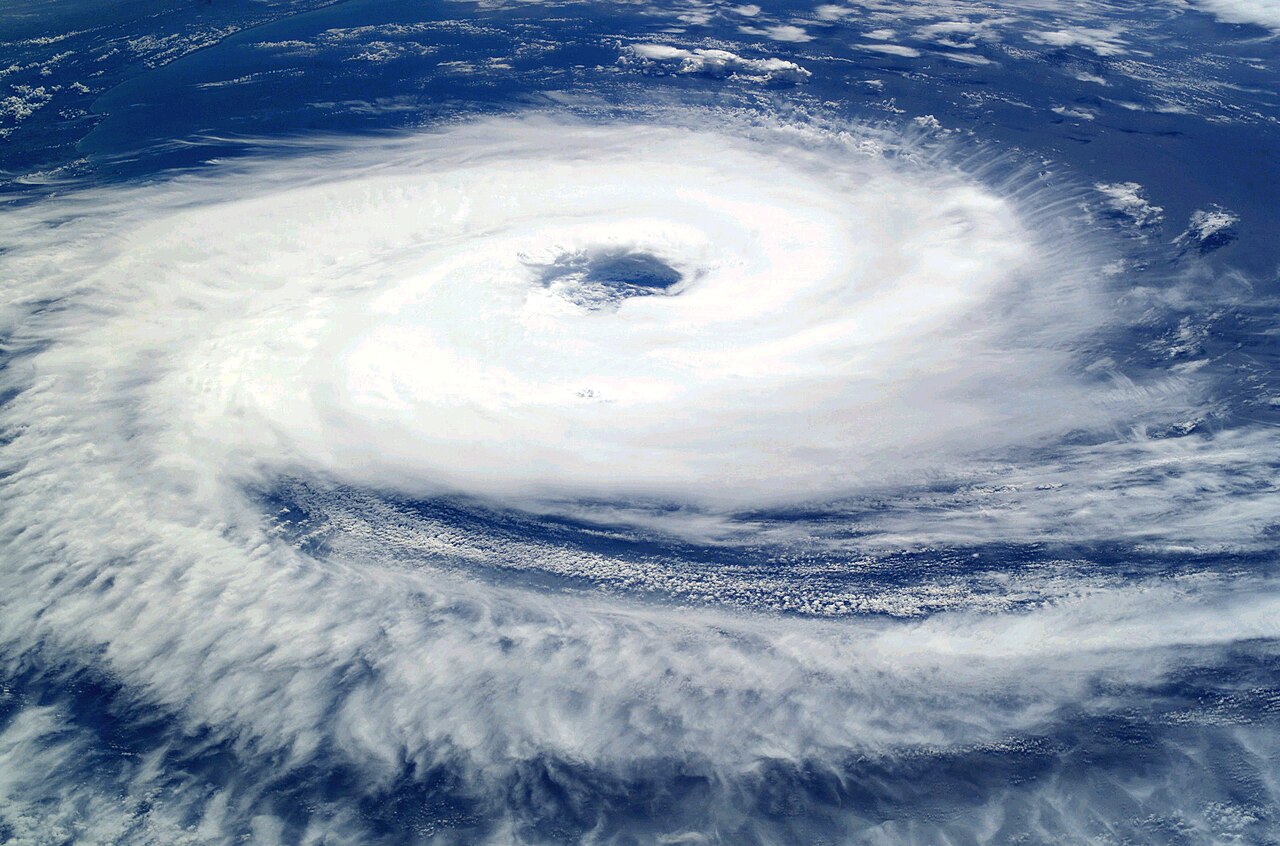


Meteorological history and characteristics
Agatha developed from a tropical disturbance over the eastern Pacific in late May 2010. The cyclone never reached major hurricane intensity; rather, its primary hazard was extreme precipitation concentrated over steep, mountainous terrain. Slow movement and abundant moisture led to prolonged bands of heavy rain, a pattern that often causes flash floods and slope failures in the region. Meteorological agencies tracked Agatha as a small but rainy tropical storm rather than a powerful wind event.
Impact and affected areas
The heaviest impacts were reported in Guatemala, El Salvador and parts of southern Mexico, where overflowing rivers and saturated slopes produced deadly landslides and widespread inundation. Official tallies attributed about 190 fatalities to Agatha and estimated total economic losses at roughly $1.1 billion. Damage included destroyed homes and roads, collapsed bridges, disrupted agriculture, and interruptions to water and power services. Many remote communities were cut off, complicating rescue and relief work.
Response, relief and recovery
Governments, regional organizations and international aid agencies mobilized emergency assistance that included search-and-rescue teams, temporary shelters, food and medical supplies, and efforts to restore infrastructure. The storm highlighted long-standing vulnerabilities—such as deforested slopes, informal settlements in flood-prone areas, and limited early-warning coverage—prompting calls for improved land-use planning, reforestation and investment in risk-reduction measures.
Notable aspects and legacy
Agatha stands out as one of the deadliest Eastern Pacific storms of the late 20th and early 21st centuries; it was described as the most lethal system in the basin since Hurricane Pauline in 1997. Its legacy is less about wind intensity and more about the damage heavy rainfall can inflict on mountainous coastal regions. The event reinforced the importance of rainfall forecasting, community preparedness and resilient infrastructure in Central America.
For technical summaries and archived advisories see tropical cyclone reports, while regional damage assessments and humanitarian updates can be found at disaster-response summaries. Historical context and basin comparisons appear in Eastern Pacific storm records, and seasonal overviews are available at 2010 season summaries.
Related articles
Author
AlegsaOnline.com Tropical Storm Agatha (2010) Leandro Alegsa
URL: https://en.alegsaonline.com/art/101669