
Tropical cyclogenesis
Tropical cyclogenesis is the process by which a tropical cyclone forms and intensifies. It requires specific oceanic and atmospheric conditions and is studied to improve warning, forecasting, and hazard mitigation.
Tropical cyclogenesis describes the birth and early strengthening of a tropical cyclone: a warm-core, rapidly rotating low‑pressure system driven mainly by deep convection over warm ocean waters. The phrase is used as a technical meteorological term to distinguish formation processes that produce organized tropical storms and hurricanes/typhoons from other kinds of low‑pressure systems. Understanding cyclogenesis is essential to forecasting and to assessing risks to coastal populations.
Image gallery
10 Images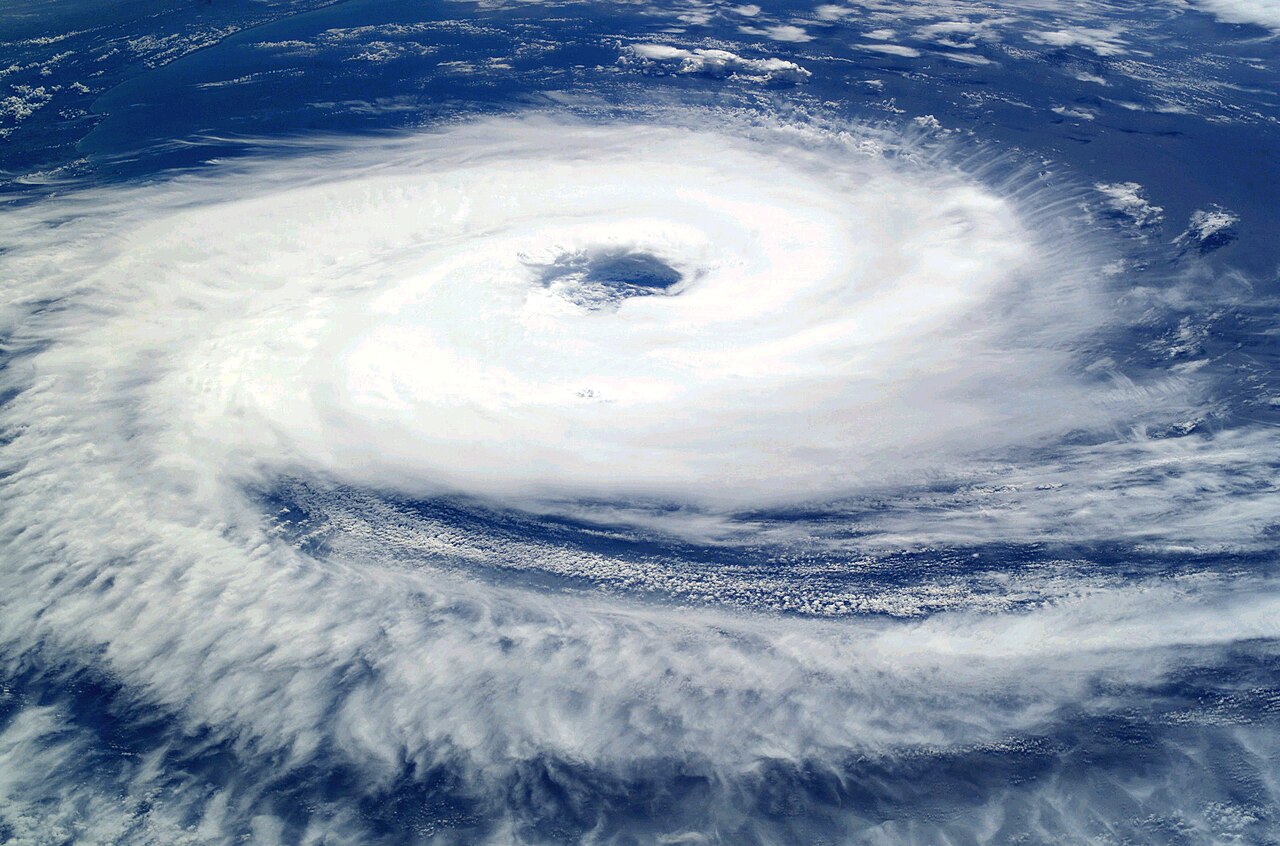




Basic requirements and mechanisms
Several environmental and dynamical conditions must be met before a tropical cyclone can form. These include:
- Warm sea surface temperatures, typically above about 26–27°C, to supply heat and moisture.
- Sufficient Coriolis force to permit rotation; this usually limits formation to more than a few degrees latitude from the equator.
- Low to moderate vertical wind shear so that storms remain vertically aligned rather than being torn apart.
- Ample mid‑level moisture to sustain deep convection that releases latent heat.
- A pre‑existing disturbance (for example, a tropical wave, monsoon trough, or remnant frontal boundary) to concentrate vorticity and convection.
Deep, sustained convection organizes into mesoscale clusters and may consolidate into a warm‑core vortex; as latent heat is released, the pressure drops and inflow strengthens, producing further intensification.
Stages of development
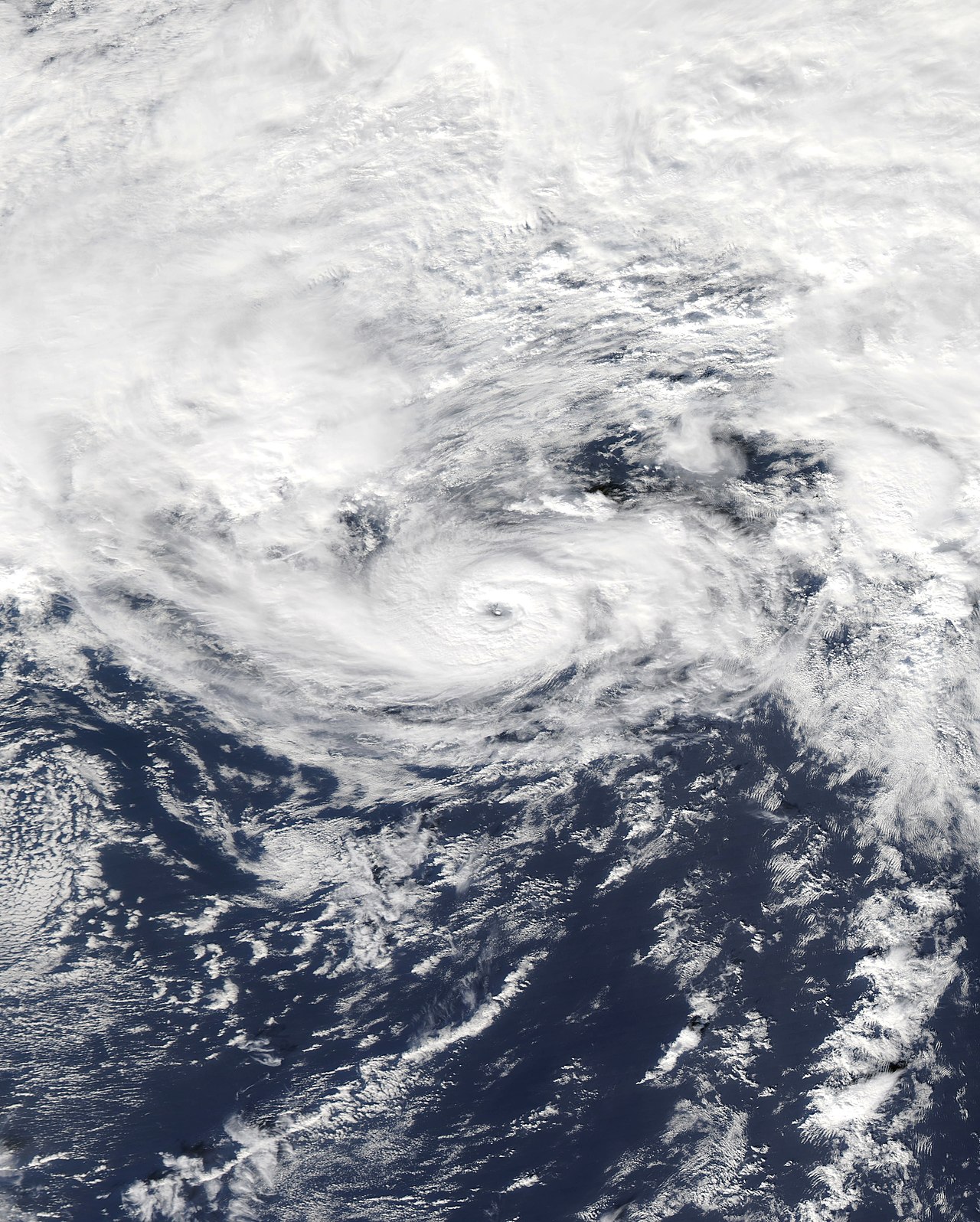
Typical evolution moves from a tropical disturbance to a tropical depression, then a tropical storm, and finally into a hurricane/typhoon if conditions allow. Key structural changes include the formation of a central dense overcast, eyewall convection, and an eye in stronger systems. Rapid intensification episodes—when winds increase markedly in a short period—are a particular forecasting challenge.
Geography, seasonality and statistics
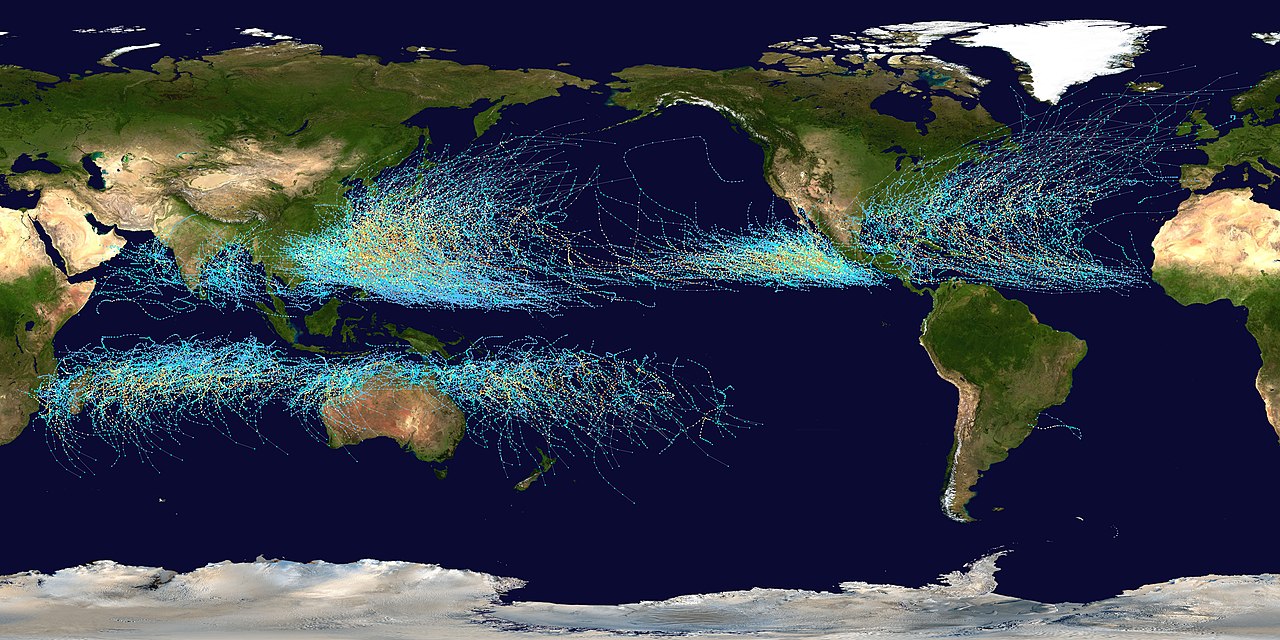
Tropical cyclogenesis occurs in the tropics and subtropics worldwide but shows strong seasonal peaks in each basin (for example, the North Atlantic hurricane season). On average, several dozen tropical storms form globally each year; a smaller number reach hurricane or major hurricane strength. Basin climatology, sea‑surface temperature patterns and large‑scale oscillations (such as El Niño–Southern Oscillation) modulate activity.
History, research and forecasting
Systematic study expanded after the mid‑20th century with aircraft reconnaissance and, later, satellite remote sensing. Numerical weather prediction models and statistical‑dynamical tools now combine observations and theory to estimate formation likelihood and track. Nonetheless, uncertainties remain in predicting genesis timing and rapid changes, so research continues on convection, air–sea interaction, and environmental influences. See general background on tropical cyclones, the role of convection, and the concept of a favorable atmospheric environment.
Distinguishing tropical cyclones from extratropical or subtropical systems is important because their structures and impacts differ: tropical cyclones have a compact warm core and draw energy mainly from the ocean and latent heat, whereas other systems derive energy from temperature contrasts. Improved knowledge of cyclogenesis helps reduce disaster risk through better warnings and preparedness.
Related articles
Author
AlegsaOnline.com Tropical cyclogenesis Leandro Alegsa
URL: https://en.alegsaonline.com/art/101657
Sources
- nsidc.org : "Definition for Cyclogenesis"
- aoml.noaa.gov : "Climate Variability table - Tropical Cyclones"