
Tropical cyclone scales and category systems
Overview of how tropical cyclones are classified worldwide, major scales (Saffir–Simpson, Australian), measurement differences, history, uses, limitations, and notable distinctions.
Overview
Tropical cyclones are organized, rotating storm systems that are classified by their intensity using several regional and international scales. The term tropical cyclone is generic and covers storms called hurricanes, typhoons, or simply cyclones depending on the basin. Classification systems translate measurements—chiefly maximum sustained wind—into categories that communicate potential damage, help guide warnings, and support emergency planning.
Image gallery
2 Images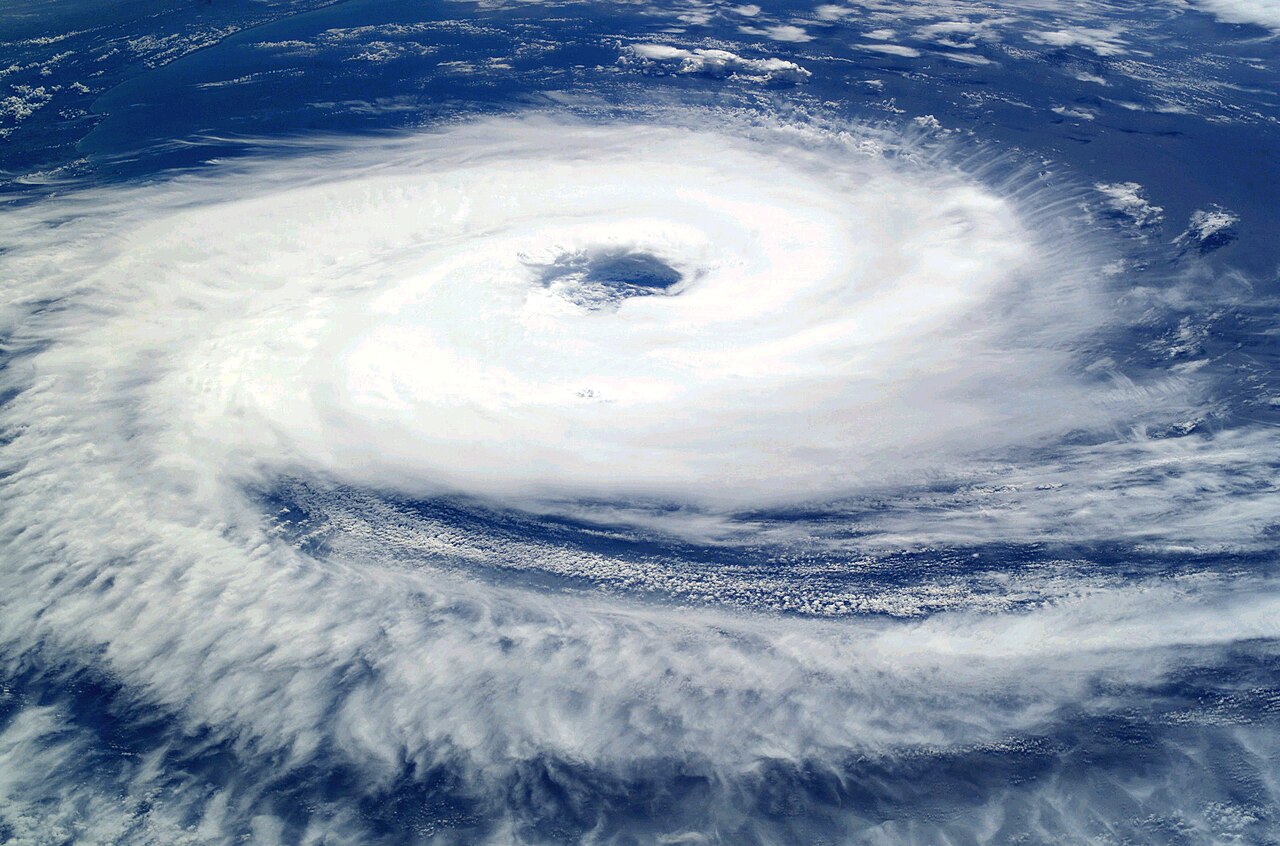

How intensity is measured
Most classification schemes rely on maximum sustained wind as the primary metric, but they differ in how that wind is defined and averaged. Two important technical differences are the averaging period (commonly one minute or ten minutes) and whether values represent one-minute sustained winds, ten-minute sustained winds, or gusts. Some agencies also consider central pressure and observed storm surge when assessing destructive potential. These measurement choices produce systematic differences: the same storm can receive different category labels if agencies use different averaging periods or thresholds.
Major regional scales
Well-known scales include the Saffir–Simpson Hurricane Wind Scale used for Atlantic and eastern Pacific storms by the National Hurricane Center. It assigns a category from 1 to 5 based primarily on maximum sustained wind and is widely used in public messaging for hurricanes. In the Australian region, the Bureau of Meteorology applies a separate categorical system that uses a ten‑minute averaging period and different wind thresholds. The World Meteorological Organization (WMO) provides international coordination and guidance, but it does not force a single global scale; instead it documents conventions and encourages consistent reporting across national agencies.
History and development
Modern categorical scales grew from efforts in mid‑20th century meteorology to standardize storm warnings and quantify risk. The Saffir–Simpson scale emerged as a straightforward way to relate wind speed to damage potential and became embedded in U.S. practice and media reporting. Over time, scientists and forecasters refined definitions, clarified averaging periods, and highlighted the need to consider surge, rainfall, and storm size—factors not captured by a simple category number.
Uses, limitations, and interpretation
Categories are valuable for quick public communication: higher categories indicate greater wind hazard and generally higher potential for structural damage. They are less reliable as predictors of flooding, storm surge, or rainfall intensity. Emergency managers therefore combine category information with local vulnerability, storm track forecasts, tide timing and topography to estimate likely impacts. Because agencies use different definitions (for example, one‑minute vs ten‑minute wind averages), comparing categories across basins requires caution: a Category 4 on one scale may not be directly equivalent to Category 4 in another.
Notable distinctions and examples
Regionally, the same physical storm might be called a hurricane, typhoon, or cyclone, and its numeric category can vary by agency. Major storms that produced extreme impacts—such as those known for catastrophic storm surge or intense winds—highlight that the category alone does not tell the whole story. For further technical guidance and regional bulletins, consult the primary national centres and international coordination notes provided by agencies such as the Saffir–Simpson resources, the WMO, or national services like the NHC and the Bureau of Meteorology. Scientific literature and operational agencies also discuss conversion factors and best practices for translating between different averaging periods and thresholds.
Related articles
Author
AlegsaOnline.com Tropical cyclone scales and category systems Leandro Alegsa
URL: https://en.alegsaonline.com/art/101661