
Tropical Cyclone Formation Alert (TCFA): purpose, issuance, and uses
Overview of the Tropical Cyclone Formation Alert: what it is, which U.S. Navy centers issue it, typical criteria and content, how it is used, and how it differs from related advisories.
Overview
A Tropical Cyclone Formation Alert (TCFA) is a short‑term advisory issued when meteorologists judge that a tropical disturbance has a significant chance of developing into a tropical cyclone. The product is intended to warn mariners, military operators and other users that a system being monitored is organizing and may reach tropical cyclone strength within a short timeframe.
Image gallery
3 Images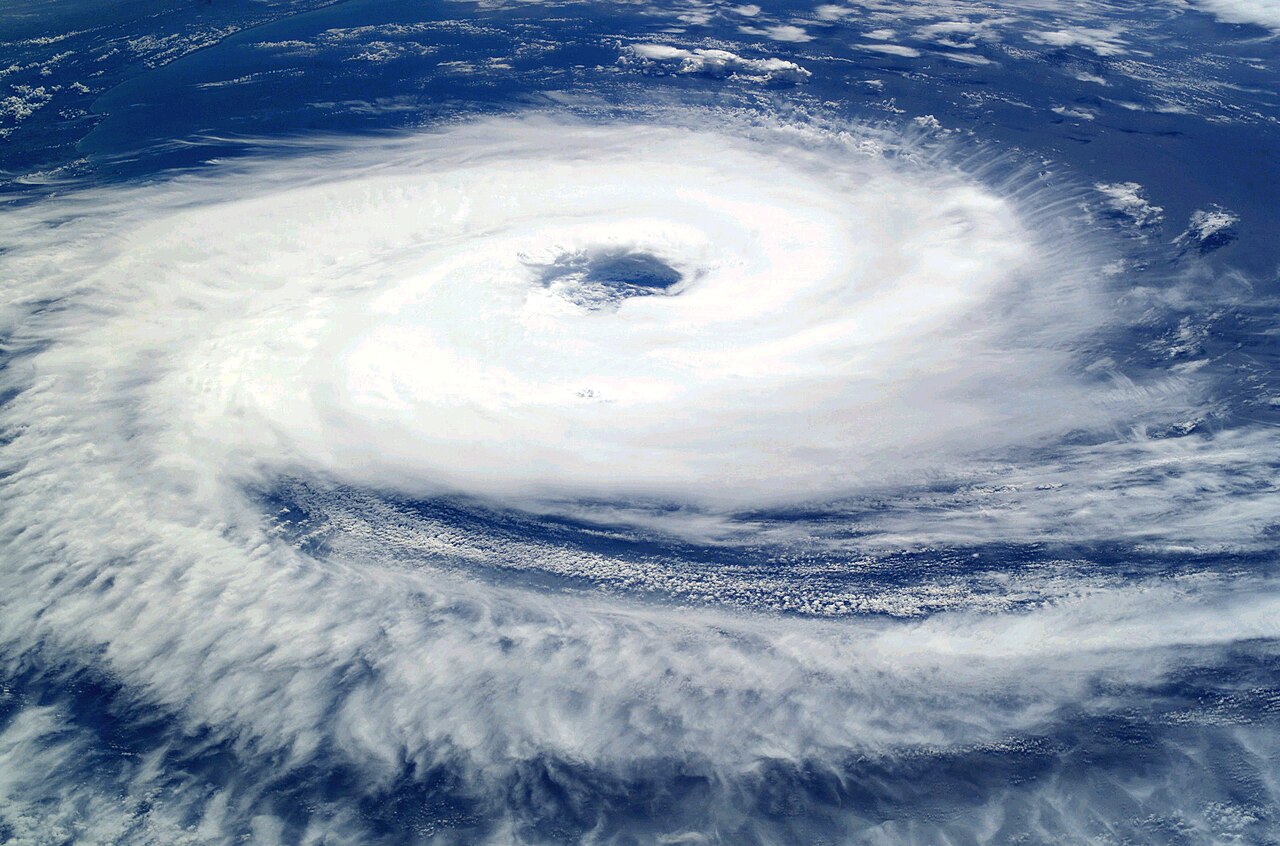


Who issues a TCFA
TCFAs are produced by U.S. Navy forecasting organizations that monitor ocean basins and support military and commercial operations. Primary producers include the U.S. Navy-run Joint Typhoon Warning Center (based in Honolulu) and the Naval forecasting unit located in Norfolk, Virginia. These centers combine satellite imagery, surface observations and numerical guidance to assess development potential.
Typical contents and criteria
A TCFA normally summarizes the disturbance's current position and motion, observed convective organization, recent satellite trends, environmental factors (such as sea surface temperatures and wind shear) and a short‑range probability of development. While specific thresholds vary, a TCFA indicates a materially increased likelihood of a tropical cyclone forming, commonly within 24 to 48 hours.
How it is used and subsequent actions
Issuance of a TCFA prompts heightened monitoring and may lead to formal advisories or warnings if sustained organization and wind speeds reach tropical cyclone criteria. If the disturbance fails to organize, the alert is canceled. If it strengthens, it will be followed by cyclone advisories and warning products from the responsible forecasting center or by other national services for affected coasts.
Differences and related products
TCFAs are a watch‑style product focused on the imminent formation of a cyclone. Other agencies use related tools: for example, the U.S. National Hurricane Center issues Tropical Weather Outlooks and, when needed, a "Potential Tropical Cyclone" designation to enable early warnings for land areas. The naming, format and lead time for formation alerts vary between centers and basins.
Practical importance and notable points
- TCFAs serve as an early cue for planners and ships to prepare for deteriorating conditions.
- They rely heavily on satellite interpretation and short‑range model guidance.
- Not every TCFA becomes a tropical cyclone; some systems dissipate or remain disorganized.
Overall, the TCFA is a concise, operational tool that bridges routine disturbance monitoring and formal cyclone warnings, helping users allocate resources and issue precautions with a lead time measured in hours to a few days.
Related articles
Author
AlegsaOnline.com Tropical Cyclone Formation Alert (TCFA): purpose, issuance, and uses Leandro Alegsa
URL: https://en.alegsaonline.com/art/101660