
Trichromacy: Three-cone Color Vision in Humans and Other Animals
Trichromacy is color vision based on three classes of cone photoreceptors. This article describes its biology, neural processing, evolutionary origins, species differences and practical significance.
Overview
Trichromacy is a form of color vision that depends on three distinct classes of cone photoreceptor cells in the retina. Each cone class contains an opsin photopigment tuned to a different portion of the visible spectrum—often described as short-, medium- and long-wavelength cones. The visual system compares the outputs of these three cone types to create the percept of hue, saturation and brightness. Many animals, including humans and several primates, are trichromats.
Image gallery
1 Image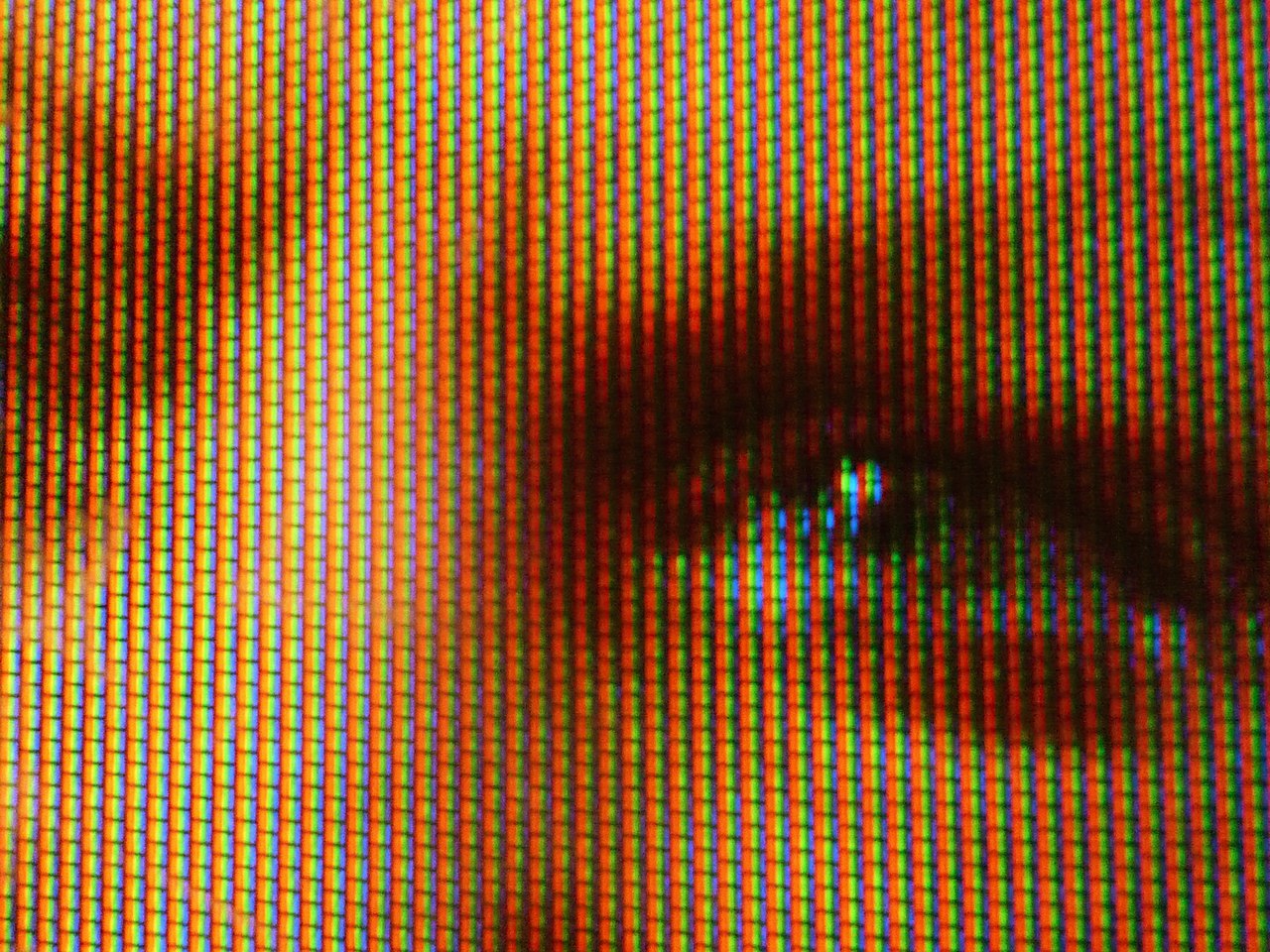
Photoreceptors, opsins and genetics
Cone cells are specialized neurons in the retina that transduce light into electrical signals; for more detail see references on cone cells. The three cone types express different opsin proteins with peak sensitivities at different parts of the spectrum. In many Old World primates, distinct genes encoding long- and medium-wavelength opsins arose by gene duplication, while the short-wavelength opsin is encoded separately. In some New World primates, allelic variation on the sex chromosome produces polymorphic color vision, so trichromacy can be sex-linked in those species.
Neural processing and perception
Color perception is not a simple reading of wavelength but a neural construction. Signals from the three cone channels are combined and contrasted by retinal and cortical circuits into opponent channels (commonly described as red–green and blue–yellow) along with luminance pathways. These opponent signals feed into the brain and are further processed in the visual cortex, producing phenomena such as color constancy and metamerism (when different spectral mixtures appear identical).
Distribution across species and evolution
Trichromacy is widespread among primates but less common among most other mammals, which often have only one or two cone types and are dichromats or monochromats. Many other vertebrates, including many lizards and birds, possess four or more cone classes (tetrachromacy or higher), extending sensitivity into the ultraviolet and enabling finer color discrimination than typical human trichromacy. Evolutionary explanations for trichromacy in primates emphasize foraging advantages (detecting ripe fruit and young leaves) and social signaling, though multiple selective pressures likely contributed.
Variation, deficiencies and rare enhancements
Not all humans are trichromats in the functional sense. Common inherited color-vision deficiencies arise from rearrangements or mutations of opsin genes, most often affecting the long- and medium-wavelength pigments and producing red–green color deficiency. Standard clinical tests probe these differences. Conversely, some individuals—most often women who carry different opsin alleles on their two X chromosomes—may have four distinct cone photopigments and are proposed to have enhanced color discrimination; such cases are uncommon and the degree of perceptual advantage varies.
Practical significance
Understanding trichromacy links anatomy, genetics and perception. It underpins human practices that depend on color discrimination: art and design, color printing and electronic displays (which typically use three primaries), and colorimetric standards. Insights from animal color vision inform ecology, behavior studies and technologies such as multispectral imaging. Research on trichromacy continues to illuminate how sensory systems evolve and how neural circuits construct subjective experience.
- Trichromacy: three cone types, typical in humans and several primates.
- Dichromacy: two cone types, common in many mammals.
- Tetrachromacy: four cone types, common in birds and many reptiles and fish; sometimes reported in rare human cases.
For further reading on anatomical and comparative aspects see entries on cone cells, the retina, the brain and the visual cortex, and species-specific pages about humans, primates, mammals, other vertebrates, lizards and birds.
Related articles
Author
AlegsaOnline.com Trichromacy: Three-cone Color Vision in Humans and Other Animals Leandro Alegsa
URL: https://en.alegsaonline.com/art/101479
Sources
- physiologyonline.physiology.org : physiologyonline.physiology.org/content/17/3/93