
Timbuktu: Hub of Trans-Saharan Trade and Islamic Scholarship
Timbuktu, a historic city in Mali, became a medieval center of trade and Islamic learning. Noted for its mosques, manuscript collections and Saharan location, it faces threats from desertification and conflict.
Overview
Timbuktu is an inland city located in the Tombouctou Region of Mali. Situated near the southern edge of the Sahara and a short distance north of the Niger River, the town historically sat at the crossroads of important caravan routes running from east to west and from north to south. Its location made it an entrepôt for commodities—most famously rock salt from Taoudenni—and a meeting place for diverse peoples and cultures.
Image gallery
10 Images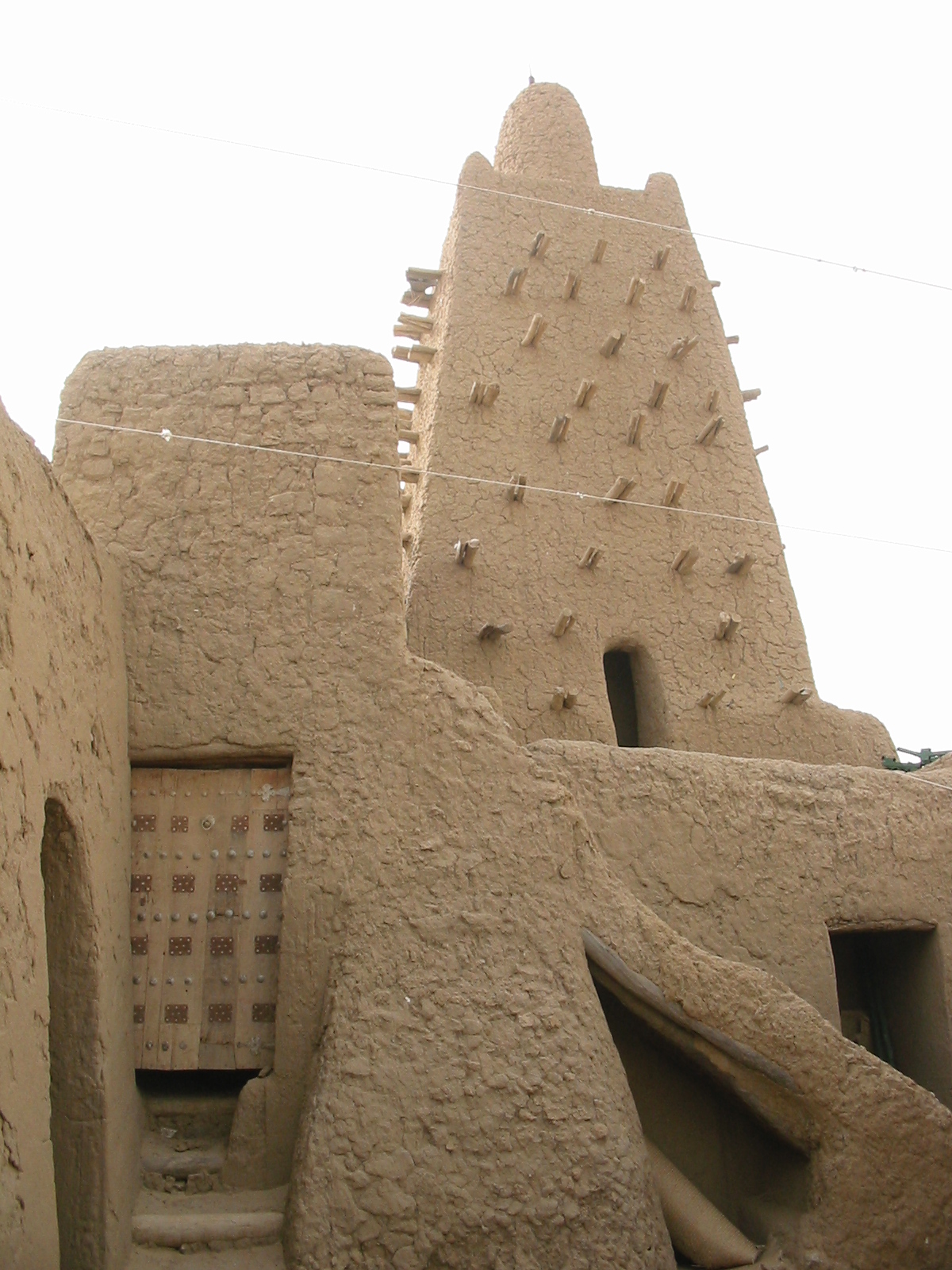



Characteristics and population
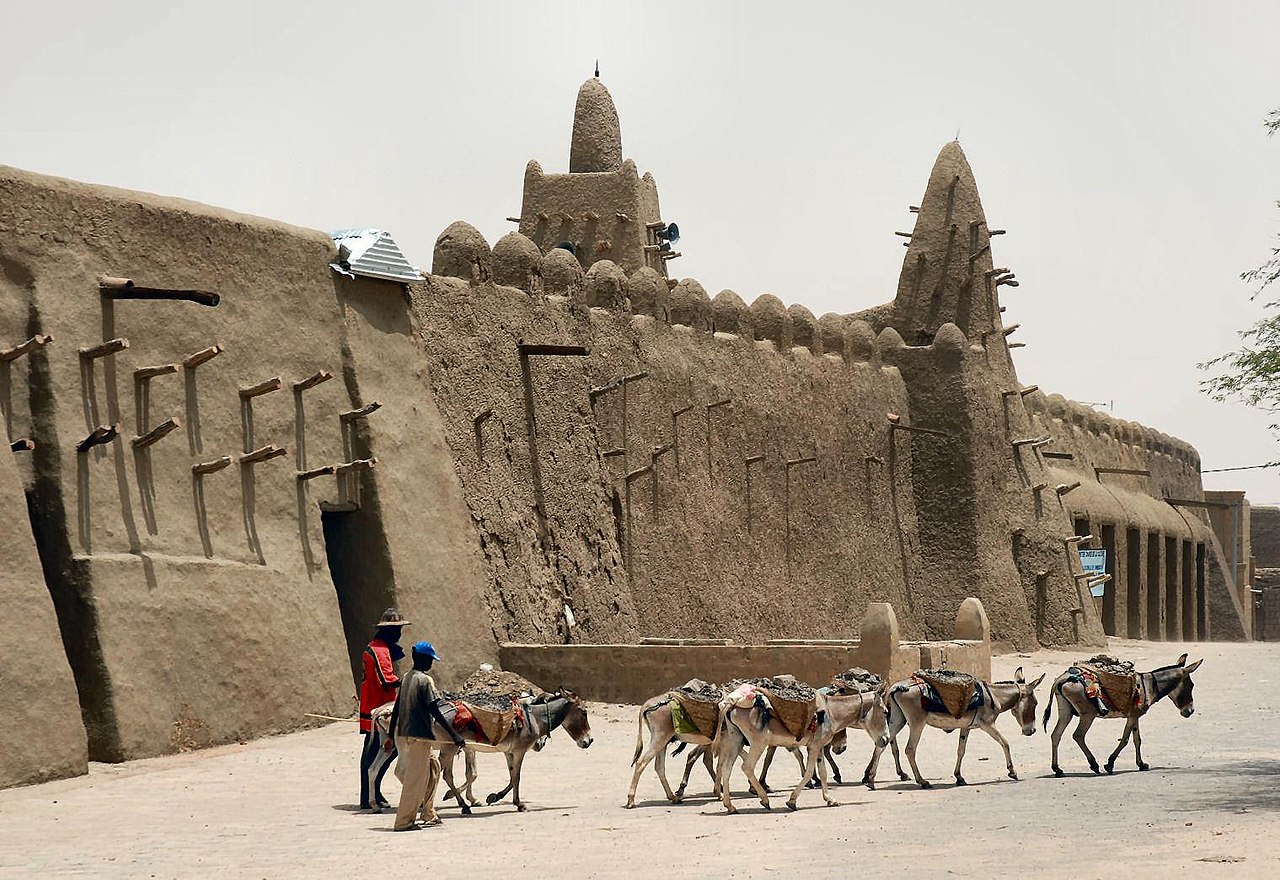
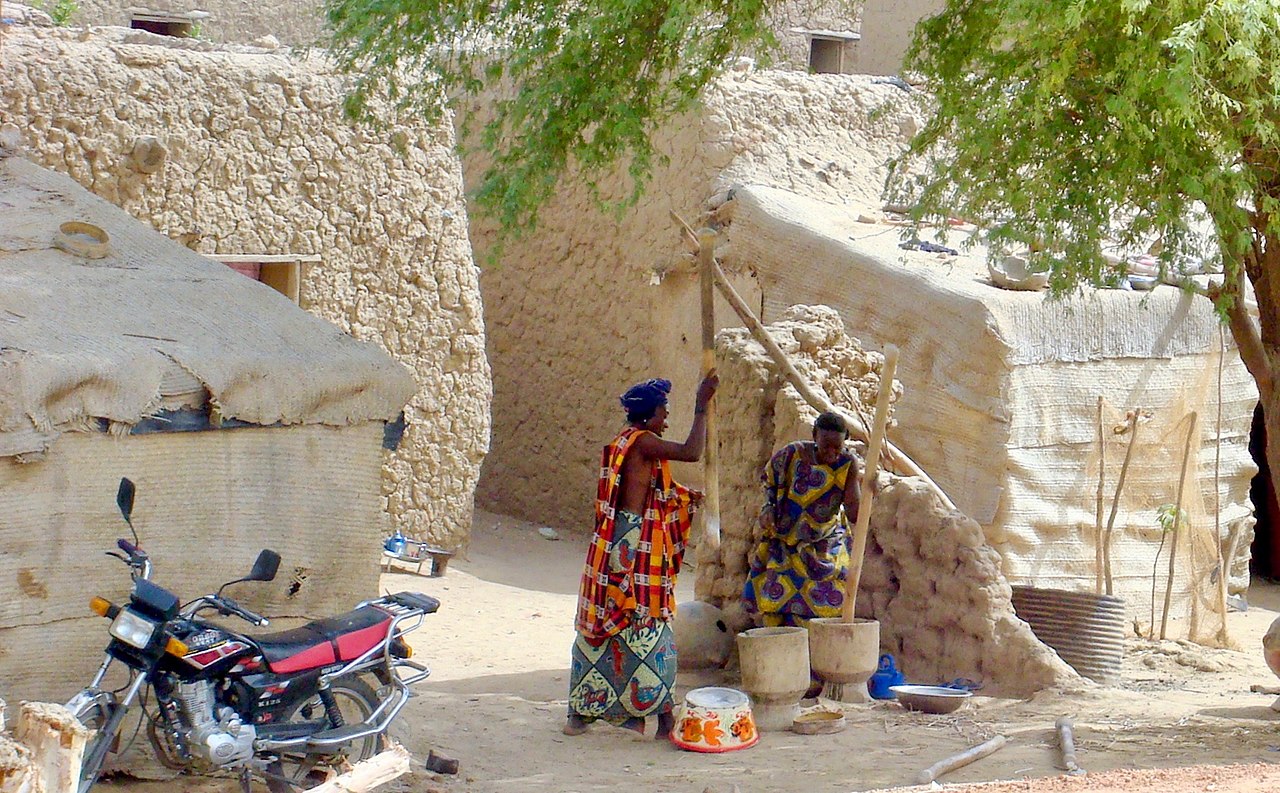
Timbuktu has a hot desert climate and a landscape shaped by sand, wind and seasonal river floodplains; the climate classification is often recorded as BWh. Local inhabitants include groups such as the Berbers, Tuareg, Songhay, Fulani and Mandé peoples, along with Arab communities. The town’s vernacular architecture—mud-brick buildings with wooden support beams—is adapted to the hot, dry environment and remains a distinctive feature of its streetscape.
Historical development
From the late medieval period through the 15th and 16th centuries Timbuktu rose to prominence under the empires and polities of the region. Its prosperity depended on long-distance trade, particularly in gold, salt and other goods, and on the movement of people and ideas across Africa. The city became an influential center for Islamic study and scholarship after scholars and pilgrims brought texts, teaching and learning traditions that spread Islam across the Sahel. European travelers and geographers later exaggerated its exotic reputation, but European interest helped make Timbuktu a widely known toponym in global maps and accounts (Europe).
Centers of learning, manuscripts and mosques
Timbuktu is famous for its Islamic schools and manuscript collections. Institutions such as the Sankore madrasah and other scholarly houses produced and copied theological, legal, scientific and literary works; the activity of scribes made the city a regional hub of written culture. Three major mosques—Djingareyber, Sankore and Sidi Yahya—stand as architectural symbols of this period and are still landmarks today. These institutions and collections contributed to Timbuktu’s reputation as a center of learning for the wider world.
Modern threats and preservation
Over time Timbuktu has faced environmental and human pressures. Encroaching sand and the spread of the desert endanger buildings, while political instability and conflict have posed acute threats to cultural sites and manuscripts. In recent decades, local, national and international efforts have worked to conserve the mosques and to catalogue, digitize and protect tens of thousands of historic manuscripts that document centuries of scholarship.
Notable facts and significance
- Timbuktu served as an entrepôt where goods were exchanged and re-distributed across trade networks; historically some trade routes operated with informal arrangements about duties and tax.
- The city’s role in transmitting religious learning helped shape the practice and study of Islam in the region.
- Because of its connections and archives, Timbuktu is often cited in studies of African intellectual history and manuscript cultures.
For readers interested in precise locations, institutions and further context, see local administrative references to the Tombouctou Region, maps showing the city’s place in Africa and studies of historic trade routes. Additional resources discuss the architecture of the three mosques (Djingareyber, Sankore, Sidi Yahya), the status of cultural preservation projects and the broader human geography that includes the surrounding Sahel and riverine areas near the Niger River.
Further reading and external resources: City overview, Sankore and madrasas, Eastern routes, Western routes, Southern connections, Northern approaches, Trade and taxation, Ethnic groups, European accounts, Climate notes.
Questions and answers
Q: Where is Timbuktu located?
A: Timbuktu is located in Tombouctou Region, Mali. It is about 15 km north of the Niger River.
Q: What is the climate like in Timbuktu?
A: The climate in Timbuktu is a hot desert climate (BWh in the Koeppen climate classification).
Q: What are some of the ethnic groups that live in Timbuktu?
A: Some of the ethnic groups that live in Timbuktu include Songhay, Tuareg, Fulani, and Mandé people.
Q: Why was it important for thinking and religion during the 15th and 16th centuries?
A: During this time period, it was important for thinking and religion because it played an important role in spreading Islam through Africa.
Q: How did its location help different people meet?
A: Its location helped different people meet because two trade routes met there - one from east to west across the Sahara Desert and another from north to south - so local people, Berbers and Arabs could all come together at this point.
Q: What made it become famous in Europe?
A: It became famous in Europe because of its long history of mixed African trade.
Q: What kind of research has been done on Islam due to its importance?
A: Due to its importance as a center for writing and learning about Islam, many books were written and copied here during the 14th century which has led to much research being done on Islam around the world.
Related articles
Author
AlegsaOnline.com Timbuktu: Hub of Trans-Saharan Trade and Islamic Scholarship Leandro Alegsa
URL: https://en.alegsaonline.com/art/99914
Sources
- whc.unesco.org : Timbuktu — World Heritage (Unesco.org)
- muslimmuseum.org : muslimmuseum.org