
Madrasa: origins, structure, curriculum, and modern role
A madrasa is a term for schools in Arabic-speaking and Islamic contexts. This article describes its meaning, historical development, typical curricula and architecture, and its diverse contemporary forms.
Overview
A madrasa (Arabic مدرسة, plural مدارس) is literally any place of learning in Arabic. In English and many other languages the word commonly denotes institutions associated with Islamic teaching, but in Arabic the term can refer to secular schools as well. The name has many transliterations — for example madrasah, madrassa, medresa — reflecting different languages and pronunciation traditions.
Image gallery
10 Images





Characteristics and curriculum
Madrasas are diverse in size and purpose. They may be small neighborhood classes for children, advanced centers of scholarship, or parts of larger university-like institutions. Common elements include teachers, classrooms or lecture halls, libraries, and some form of certification for graduates.
- Religious subjects: Quranic reading and memorization, recitation (tajwīd), hadith studies, jurisprudence (fiqh), theology (kalām) and Arabic grammar.
- Rational and scientific subjects: historically many madrasas taught mathematics, astronomy, medicine, logic and philosophy alongside religious courses.
- Pedagogy and certification: instruction relied heavily on oral transmission and commentary. Scholarly authorization, often called an ijāzah, accredited a student to teach particular texts.
Not all madrasas are identical: local customs, state involvement, and the sponsoring body (private, charitable endowments, or government) shape curricula and admissions.
History and development
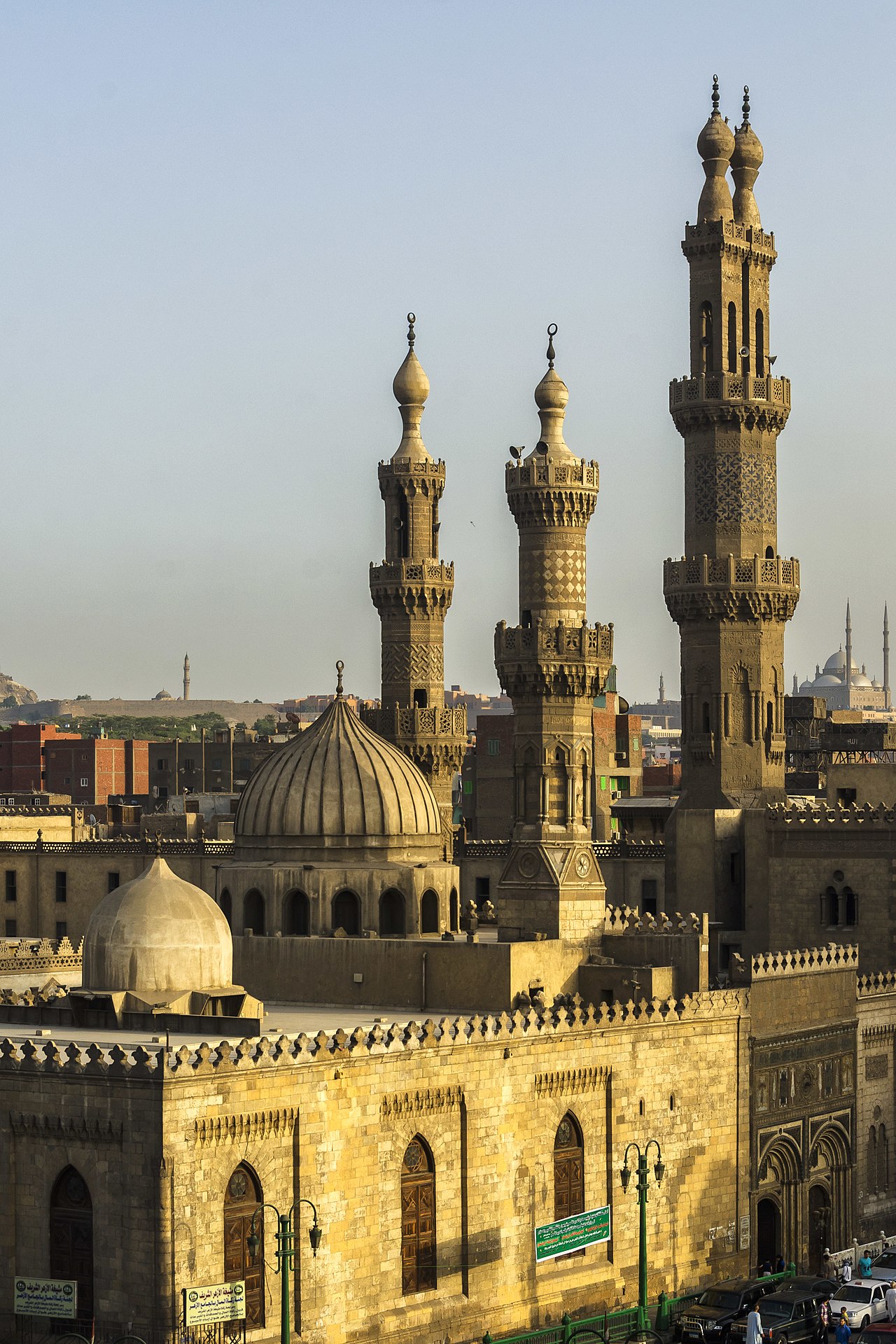
As an institutional form, madrasas became prominent in the medieval Islamic world when rulers and wealthy patrons endowed schools to train scholars, jurists and administrators. Important historical examples include large centers of learning associated with cities such as Cairo and various regional foundations by states and nobles. These institutions played a key role in preserving manuscripts, promoting legal and theological debate, and forming scholarly networks that connected towns and regions.
Endowments (waqf) and patronage allowed many madrasas to provide free lodging and stipends for students, making advanced study accessible across social classes. Over centuries the form evolved regionally, producing distinct models in places such as North Africa, the Ottoman lands, Persia, South Asia and sub-Saharan Africa.
Architecture and organization
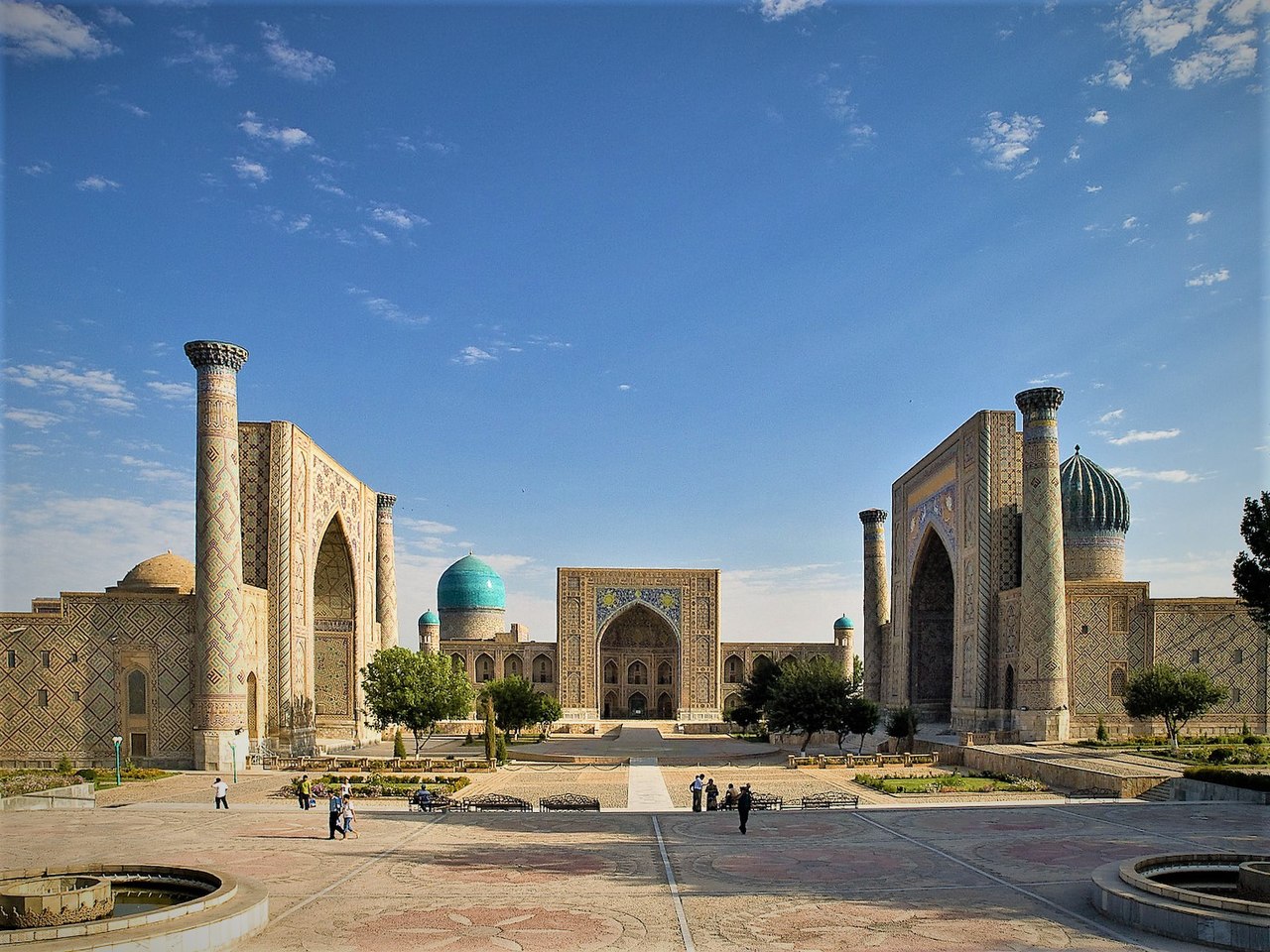
Madrasas often have features adapted to study and communal life: a classroom or iwan for lectures, a library, a courtyard, and sometimes cells or rooms for resident students. They were frequently linked to mosques, hospitals, or legal courts but are institutionally distinct: a mosque is primarily a place of worship, whereas a madrasa emphasizes teaching and scholarship.
Modern context and significance
In the modern era madrasas exist in a wide range of forms: government-run schools, private religious seminaries, and hybrid institutions that combine religious and secular curricula. Public and scholarly discussion often treats them as heterogeneous rather than monolithic. In some regions reforms have integrated standardized subjects and state certification; in others traditional methods continue. International perceptions can be shaped by political contexts, but historically and today madrasas have been important centers for learning, legal training, manuscript preservation and social mobility.
Understanding a madrasa therefore requires attention to its local history, funding, curriculum and relations with state or religious authorities. The term's broad usage in Arabic means that care is needed when translating or comparing educational institutions across languages and cultures.
Related articles
Author
AlegsaOnline.com Madrasa: origins, structure, curriculum, and modern role Leandro Alegsa
URL: https://en.alegsaonline.com/art/60520