
Tax: Public Revenue, Types, Purposes, and Key Concepts
Taxes are compulsory payments to government used to fund public services, infrastructure, and redistribution. This article explains types of taxes, how they are collected, historical context, uses, and notable distinctions.
Overview
Tax refers to compulsory payments imposed by a government on individuals, businesses or other entities. Governments collect taxes to generate revenue that supports public functions and services. Taxes are enforced by public authorities and are distinct from voluntary payments or fees for specific services. For more on the role of the state in collecting revenue see government finance.
Image gallery
4 Images

Common types and characteristics
Taxes come in many forms. Typical categories include income taxes on personal earnings, payroll taxes that fund social insurance, corporate taxes on business profits, consumption taxes such as sales tax or value-added tax, property taxes on land and buildings, and customs duties on imported goods. Taxes are often described as direct (paid directly to the authority) or indirect (collected in the price of goods).
Collection, administration and rules
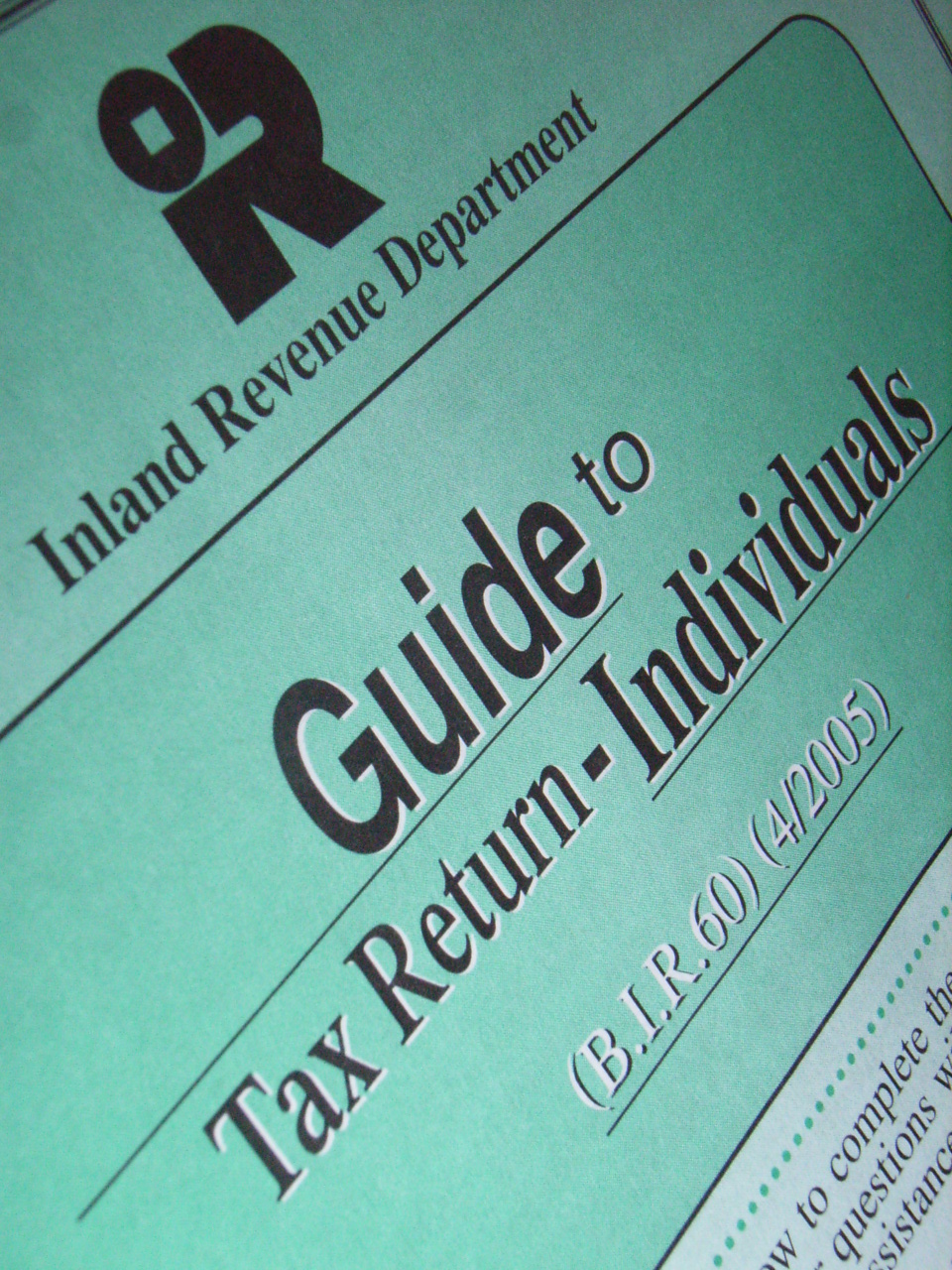
Tax systems are administered by government revenue agencies and rely on rules about rates, exemptions, credits and filing procedures. Employers frequently withhold taxes from wages; individuals and companies file returns to reconcile amounts due. Systems vary between progressive, flat and regressive structures and include mechanisms to prevent evasion and to encourage compliance.
History and development
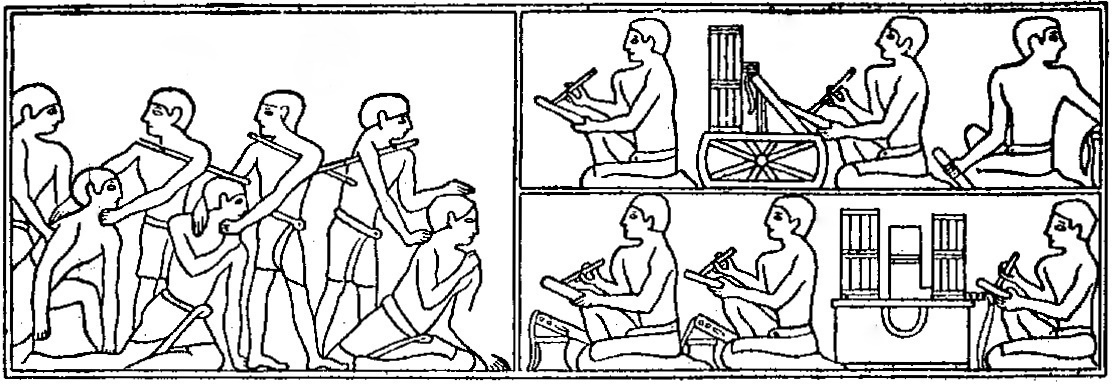
Taxation has ancient roots as communities pooled resources for shared needs. Over time modern states developed more formal and complex tax codes to finance armies, civil administration and public projects. Debates about the size, fairness and efficiency of taxation have been central to political and economic thought for centuries.
Uses and examples
Revenue from taxes pays for goods and services that benefit the public. Examples include:
- national defense and armed forces, such as the military
- law enforcement and public safety like the police
- public education systems and schools (education)
- public health services and hospitals (health care)
- transport infrastructure such as roads and bridges
- urban sanitation and utilities, including sewers
Distinctions and current issues
Key distinctions include tax avoidance (legal strategies to reduce tax) versus tax evasion (illegal nonpayment). Other important topics are tax expenditures, deductions, progressive taxation, and the trade-offs between efficiency and redistribution. Public discussion often centers on how to design tax systems that fund necessary services while minimizing undue burdens.
Understanding taxes helps citizens evaluate policy choices, fulfill legal obligations and participate in debates about how public funds should be raised and spent.
Questions and answers
Q: What is tax?
A: Tax is money that people have to pay to the government.
Q: What does the government do with the money it gets from taxes?
A: The government uses the money it gets from taxes to pay for things like people who work for the government, provide services such as education and health care, and to maintain or build things like roads, bridges, and sewers.
Q: What are some examples of services that taxes are used to pay for?
A: Taxes are used to pay for services such as education and health care.
Q: Are taxes used to pay for people who work for the government?
A: Yes, taxes are used to pay for people who work for the government, such as the military and police.
Q: Where does the government get the money to pay for providing services like education and health care?
A: The government gets the money to pay for providing services like education and health care from taxes.
Q: Why are taxes necessary for the government?
A: Taxes are necessary for the government because they provide the government with the money it needs to function and provide services to the public.
Q: What are some things that taxes can pay for besides services and government workers?
A: Taxes can also pay for maintaining or building things like roads, bridges, and sewers.
Related articles
Author
AlegsaOnline.com Tax: Public Revenue, Types, Purposes, and Key Concepts Leandro Alegsa
URL: https://en.alegsaonline.com/art/96572