
Berber people (Imazighen)
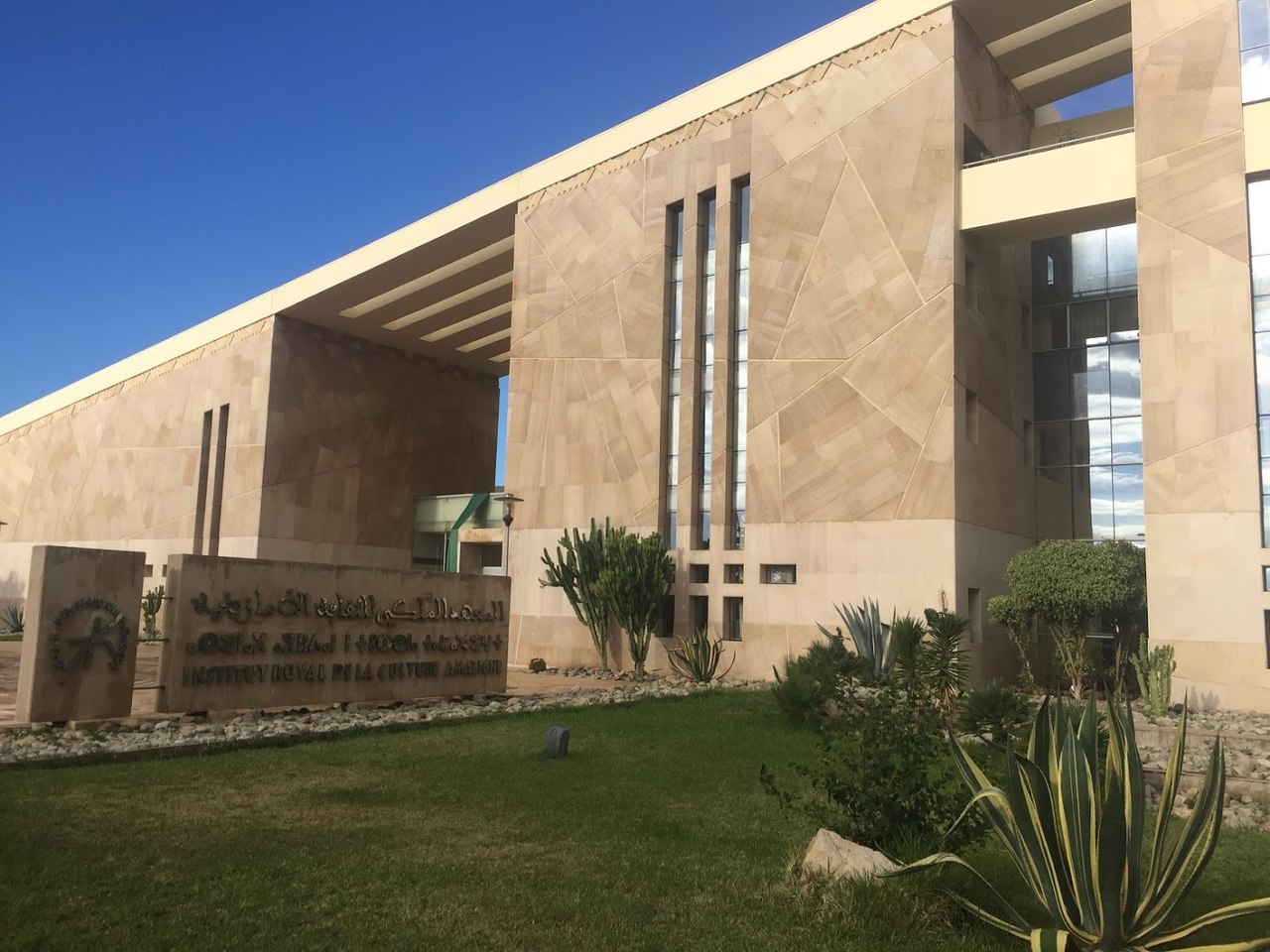
Imazighen, commonly called Berbers, are indigenous peoples of North Africa with distinctive languages, cultures and histories; they live across the Maghreb and maintain diverse traditions and modern recognition movements.
The Berber peoples, who call themselves Imazighen (singular: Amazigh, often translated as "free people"), are the indigenous inhabitants of much of North Africa. Their traditional homeland spans the Maghreb and parts of the Sahara. Today many Berber communities continue to live in Morocco, Algeria and Tunisia while sizable diasporas exist in Europe and elsewhere. For a general introduction, see Imazighen.
Image gallery
10 Images



Language and identity
Berber languages belong to the Afroasiatic family and comprise a continuum of related but distinct varieties, often referred to as Tamazight dialects. Prominent varieties include Kabyle, Tarifit, Tashelhit and the Tuareg languages. These varieties may be mutually intelligible to varying degrees and are written in the traditional Tifinagh script as well as in Latin and Arabic alphabets in different contexts. The languages and cultural identity have been the focus of revival and recognition efforts in recent decades; for example, Berber language rights and visibility have advanced in several countries including Morocco and Algeria.
Geography, social life and economy
Berber communities are adapted to a wide range of environments: Mediterranean coastal plains, Atlas and Rif mountain ranges, and Saharan oases and steppe. Traditional livelihoods include small-scale agriculture, pastoralism, artisanal crafts and local trade, though many Berbers have long participated in urban professions and modern economies. Social organization has often been based on tribes, clans and village collectives, with strong local customs and oral law complementing state structures.
History and historical roles
Berbers have deep historical roots in North Africa and interacted with ancient Mediterranean civilizations, including Phoenicians, Romans and Byzantines. In the early medieval period, several influential Berber-led dynasties shaped North African and Iberian history. The Islamization of the region began in the 7th century and the majority of Berbers adhere to Sunni Islam today, commonly following the Maliki school of jurisprudence. Modern Berber history includes periods of both assimilation and distinct cultural assertion.
Culture, arts and notable groups
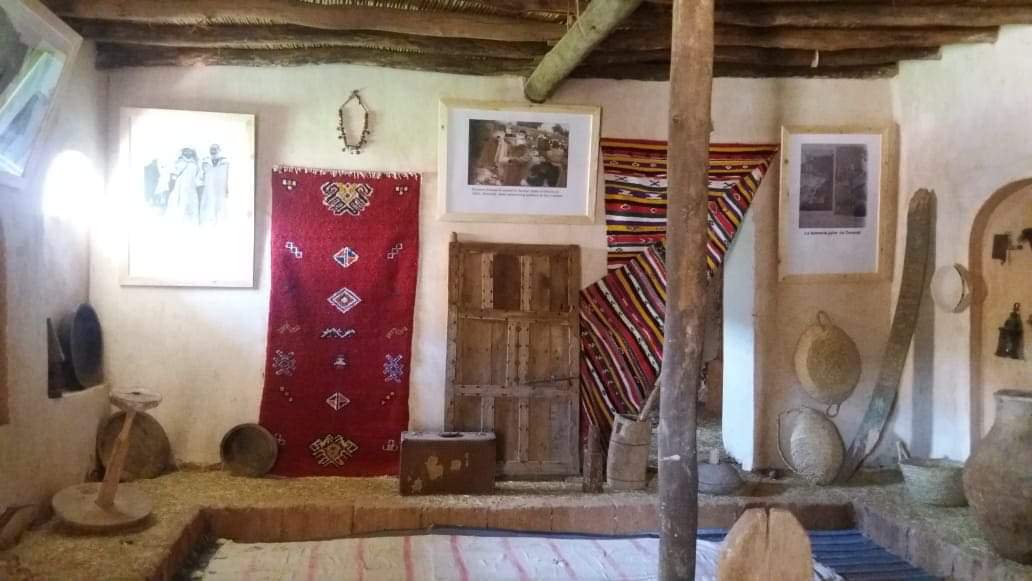
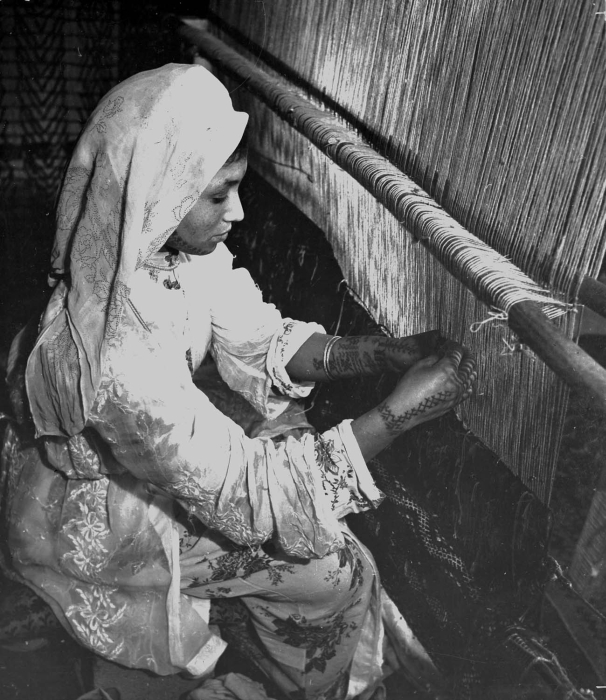
Berber cultural expression is rich in oral literature (poetry, folktales), music, textile arts, silver jewelry and distinctive symbols. Notable Berber-speaking groups include the Kabyle of northern Algeria, the Riffians of northern Morocco, and the Tuareg of the central Sahara, each with their own dialects, dress and social practices. Visitors will often notice regional differences in architecture, festivals and handicrafts. Many communities maintain customary rites and music that link present life with a long oral tradition.
Contemporary status and recognition
In recent decades, Berber activists and cultural associations have pressed for language rights, official recognition and educational provision in Tamazight. These efforts have led to constitutional and policy changes in some countries and to expanded media, schooling and cultural institutions. Migration has produced large Berber diasporas in countries such as France, where communities sustain languages and cultural associations. Issues of political representation, cultural preservation and economic development remain central to contemporary Amazigh movements.
Distinctive facts and further reading
- Many Berbers use the self-name Imazighen or Amazigh to stress indigenous identity.
- Religious practice is predominantly Sunni Islam with local variations and historical layers; the Maliki legal tradition is common (Maliki).
- Some groups, especially Tuareg communities, preserve nomadic or semi-nomadic lifestyles and distinct social institutions.
For additional context, histories and linguistic resources, consult regional studies and cultural overviews that focus on language revitalization, social change and the diversity of Berber experiences across North Africa and the Sahara.


Name and origin
The name Berber probably derives from the Greek word βάρβαρος bárbaros, possibly mediated by Latin (barbarus) or Arabic (al-barbar, plural barābira). Today, many Berbers refer to themselves as imazighen 'free' in order to find themselves in their own ethnic group designation, couched in their native language, and reject the foreign designation "Berber", which is understood as pejorative. The Berber peoples usually use the names of the individual tribes (for example Rifkabylen or Tuareg).
Genetically, Berbers are most closely related to Egyptians, Arabs, Levantines, and southern Europeans, and can be clearly distinguished from sub-Saharan African populations.

Present distribution
Berbers are found mainly in present-day Morocco and Algeria, with isolated groups also in Tunisia and south of it in the Sahara. Their population numbers today are difficult to determine, as mixing with the Arab population and the Arabization measures of the post-colonial period have pushed back the Berber culture and language. Numerous Berber tribes speak Arabic today. Only a part of the Berbers speaks exclusively Berber languages.


Related articles
Author
AlegsaOnline.com Berber people (Imazighen) Leandro Alegsa
URL: https://en.alegsaonline.com/art/10654