
Entrepôt: historical trading hubs and modern equivalents
An entrepôt is a trading post where goods are imported, stored, and re‑exported without immediate tariffs. Historically central to long‑distance commerce, today they resemble free ports and bonded warehouses.
Overview
An entrepôt is a commercial center or trading post where merchandise can be brought in, held and then re‑exported without the importer paying local duties at the point of entry. By concentrating goods from different origins, an entrepôt allowed merchants to buy and resell products to carriers continuing along a trade route or to local buyers, often capturing profits from price differentials and convenience.
Image gallery
1 Image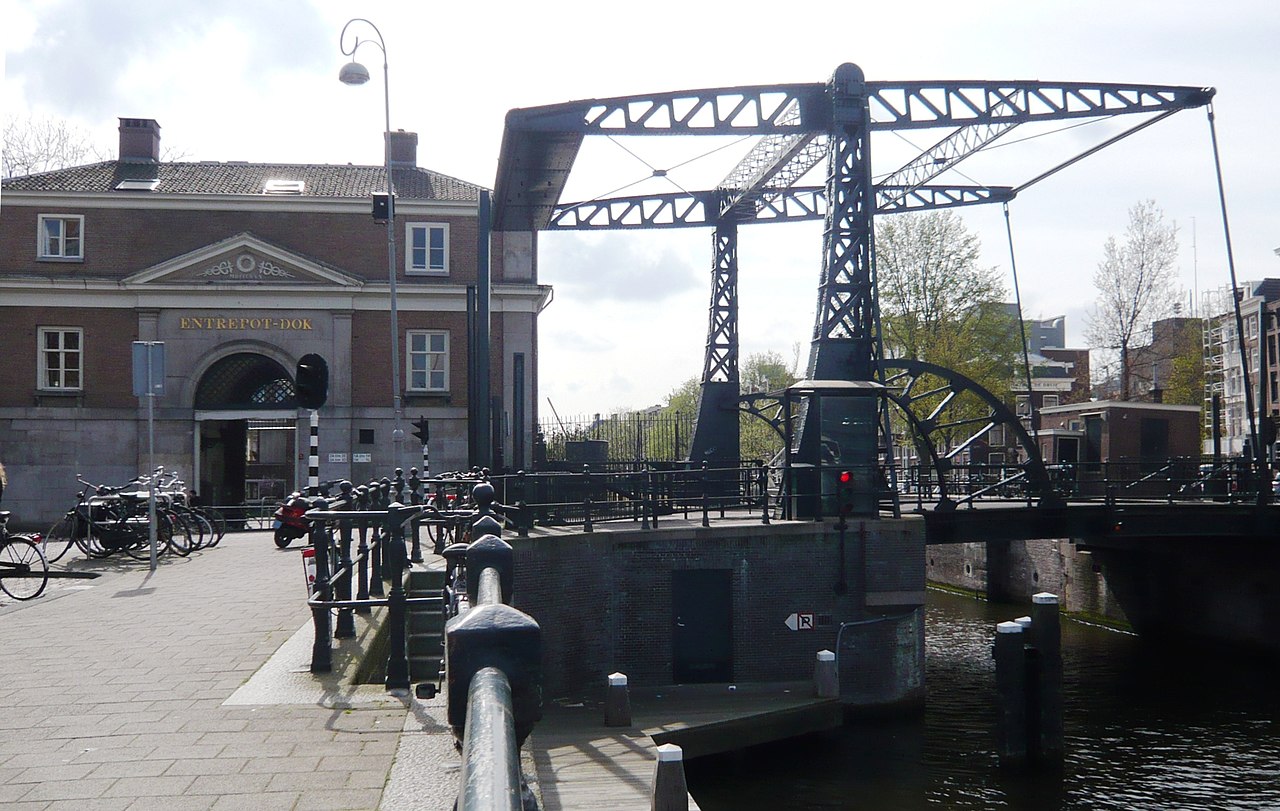
Typical characteristics
Entrepôts combined several functions that made them efficient intermediaries: storage, quality inspection, repackaging, currency exchange and information flows about demand and supply. They often sprang up at natural or political crossroads such as safe harbors or politically neutral ports. In many cases goods moved through the entrepôt as a transit point rather than entering local markets permanently, so duties normally associated with import and export were suspended or deferred to encourage trade.
- Aggregation and redistribution of goods
- Short‑term warehousing and repackaging
- Price discovery and risk pooling
- Financial and information services for traders
History and development
From inland caravan stations on the Silk Road to maritime crossroads in the Indian Ocean and North Atlantic, entrepôts have existed where transport networks converged. Famous examples in different eras include major Mediterranean and Atlantic ports that handled goods from distant producers and re‑exported them elsewhere. Over time changes in customs regimes, improved transport, and the formalization of tariffs reduced the exclusive role of traditional entrepôts.
Modern forms and legacy
While classic tariff‑free trading posts are less common today, many modern free trade zones, bonded warehouses and re‑export centers perform similar functions: they allow goods to be stored, processed or re‑shipped with different duty treatments. Contemporary seaports and airports that function as hubs often act as entrepôts in practice, even if regulated by modern customs laws. Some jurisdictions still create legal frameworks to encourage transshipment and logistics activities.
Distinctions and terminology
The historical concept of an entrepôt should not be confused with the French word entrepôt, which commonly means a warehouse in contemporary usage. Nor should it be conflated with any single type of port; an entrepôt is defined by its commercial and fiscal role rather than only by geography. For more general context about trading hubs and economic history see resources on trading posts and customs systems via tariff-related studies or general trade histories accessible at reference collections here and here.
Related articles
Author
AlegsaOnline.com Entrepôt: historical trading hubs and modern equivalents Leandro Alegsa
URL: https://en.alegsaonline.com/art/31629